Circumcised by Dr Spock's Influence
The Mark of Difference
I came into this world in 1966, in the midlands of Natal, South Africa, a time when the country was still stitching itself together under apartheid’s rigid seams, and families like mine navigated life on the edge of sprawling farms where the soil was as unforgiving as the politics. My parents, of staunch Lutheranism and Calvinist descend, weren’t the sort to fuss over rituals beyond Sunday services and the occasional braai. We weren’t Jewish, no ancient covenant etched into our bloodline. Yet there I was, marked in a way that set me apart from the very beginning, my penis marked like prophets of the Old Testament, with questions long before I had words for them.
It started with the farm boys, those black kids who roamed the dusty potato fields with me, their laughter cutting through the heat of the Inyosi Valley. We were all the same in our ragged shorts and scraped knees, chasing chickens or avoiding a beating when we pushed the boundaries. But when we relieved ourselves on the nearby trees or bushes, I noticed the difference. They had foreskins; mine was gone, leaving a smooth, exposed landscape that was as distinct as an Italian sculpture. “Why?” I asked my mother later, as she made supper in the kitchen of the dusty farmhouse on Oakvilla Farm. She paused, her hands flour-dusted, and exchanged a glance with my father across the kitchen. “It’s cleaner that way, BB,” she said. “Less chance of disease. Your dad had it done, and your brother too. All the white boys around here do, keeps things healthy.” My father nodded from his chair, newspaper in hand, adding gruffly, “It’s just how it’s done. No fuss.”
And indeed, it was. In our tight-knit community of white farmers and smallholders, circumcision wasn’t a debate; it was as routine as the first inoculation or the christening gown. Most of the boys I grew up with, blond or brown haired lads from the neighboring plots, mostly Lutheran, bore the same subtle alteration. It bound us in an unspoken fraternity, a rite we didn’t choose but inherited like the accent that marked our spoken words. I wondered sometimes if it was the church’s doing, some Lutheran edict buried in the hymnal. But no, our pastor preached grace and baptism, not blades and covenants. Research into those years turns up no religious mandate from the Church in South Africa; circumcision wasn’t a sacrament in our faith, as it had been fiercely rejected by early Christians for Gentile converts. If anything, it was the echo of mid-20th-century medicine, a holdover from global trends where doctors in the West touted it as a bulwark against phimosis, infections, and even venereal diseases, claims that filled hospital wards and parenting manuals from the 1950s through the ‘70s. My mom was devoted to her Dr Spock book whose advice was circumcision.
Digging deeper into the archives of that era, it’s clear why Natal’s white families leaned into it so readily. In the 1960s, neonatal circumcision rates among white South Africans mirrored patterns in English-speaking countries like the UK and US, where up to 80-90% of newborn boys were snipped in the post-war boom, all in the name of hygiene and disease prevention. South Africa’s medical establishment, influenced by British colonial practices, promoted it similarly: easier to do on infants, supposedly fewer complications later in life, and a perceived shield against the unclean ailments that loomed large in a tropical climate. Studies from the time, sparse as they are on specifics for white cohorts, echo my parents’ words, citing reduced urinary tract infections and penile issues as rationale, though much of it was anecdotal, propped up by the era’s enthusiasm for interventionist pediatrics. In Natal, with its mix of English settlers and missionary legacies, it became cultural shorthand for modernity and cleanliness, a quiet assertion of civilized norms in a land divided by skin and custom. No grand conspiracy, just doctors’ ink and mothers’ worries, passed down like the family Bible but in the form of Dr Spock’s words.
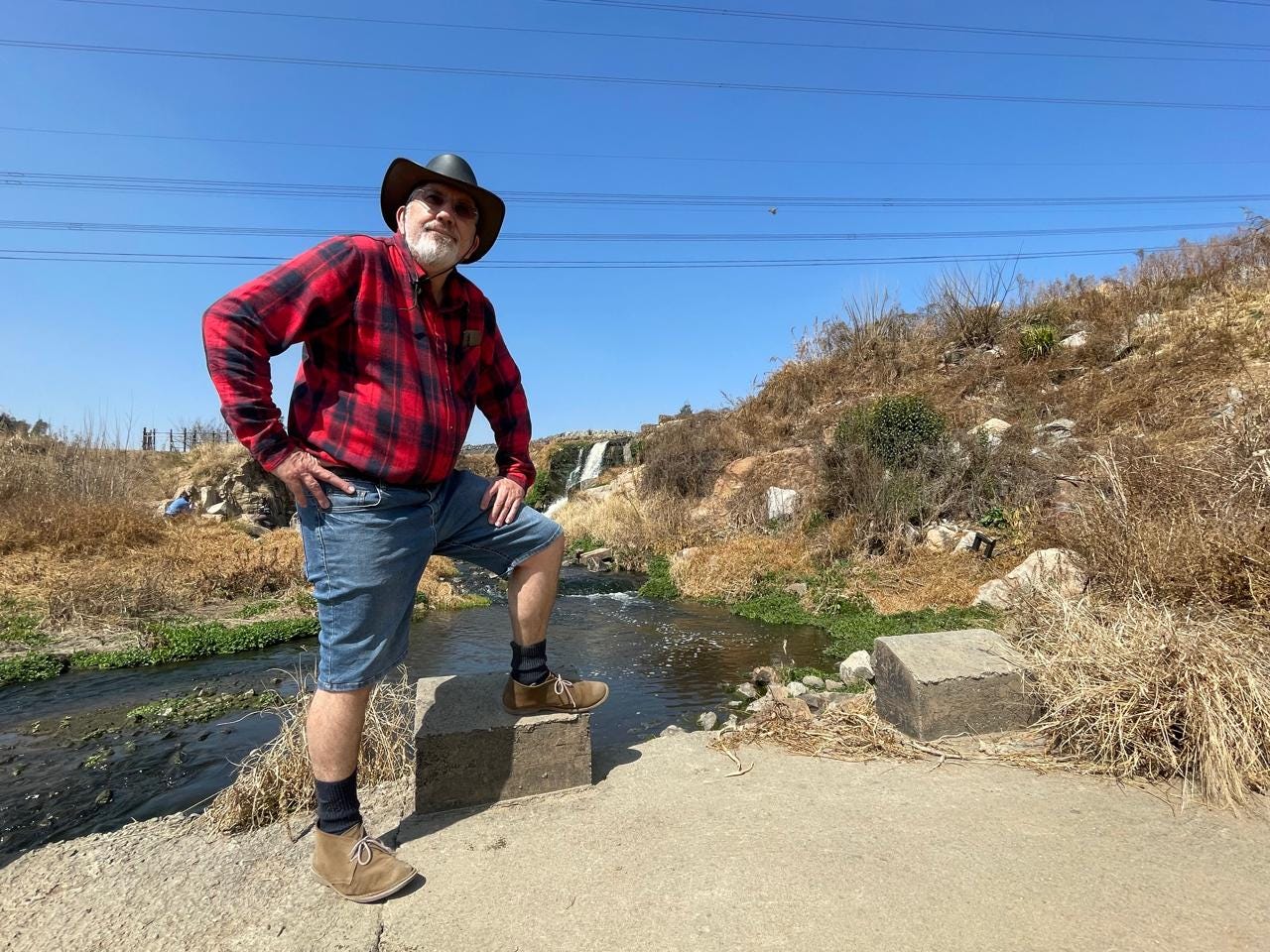
I’m proud of my manhood. On one memorable occasion even take a leak on the window of John Orrs during Christmas window shopping. I was a boy, but not only a boy, a cowboy.
As I got older, that mark became more than a curiosity, it shaped interactions as my first time standing in the communal showers at Grey made me realize that the Afrikaners were like those black kids. Irony. Am I less of a lover for it? The question nags like an old itch. Some say the foreskin heightens sensation, a lost layer of intimacy. Others, and I’ve read the debates, argue it shifts the focus, makes pleasure less about singular friction and more about the whole dance: touch, rhythm, connection. Maybe I’m biased, but I’ve never heard complaints. If anything, it’s taught me that love’s not confined to anatomy; it’s in the vulnerability of baring all, scar and soul. That’s my story, etched in flesh and memory, a small cut in a big world, linking me to fathers and farms, to a Natal sun that burned away the unnecessary, leaving only what endures.
So I’m German, Scottish, Afrikaner, sort of English and by all accounts, a Jewish lover.