The Morning Patrol with MastelekđŸ’Ș

Stories of Mastelek who enjoys farming Boweia Volubilis

Tech Missteps & Lost Opportunities

There I was, shooting the breeze with my old mate Duncan over a Sunday braai, the smoke curling up into the African sky as we chewed the fat about life, tech, and everything in between. Duncan wasn’t much of a talker—quiet bloke, kept his cards close—but when he did open up, it was worth listening. Tragically, he took his own life during the COVID pandemic, just another statistic in that godawful mess. Hit me hard; he was a proper buddy, and I had no inkling of the demons he was wrestling with inside. Rest easy, boet.

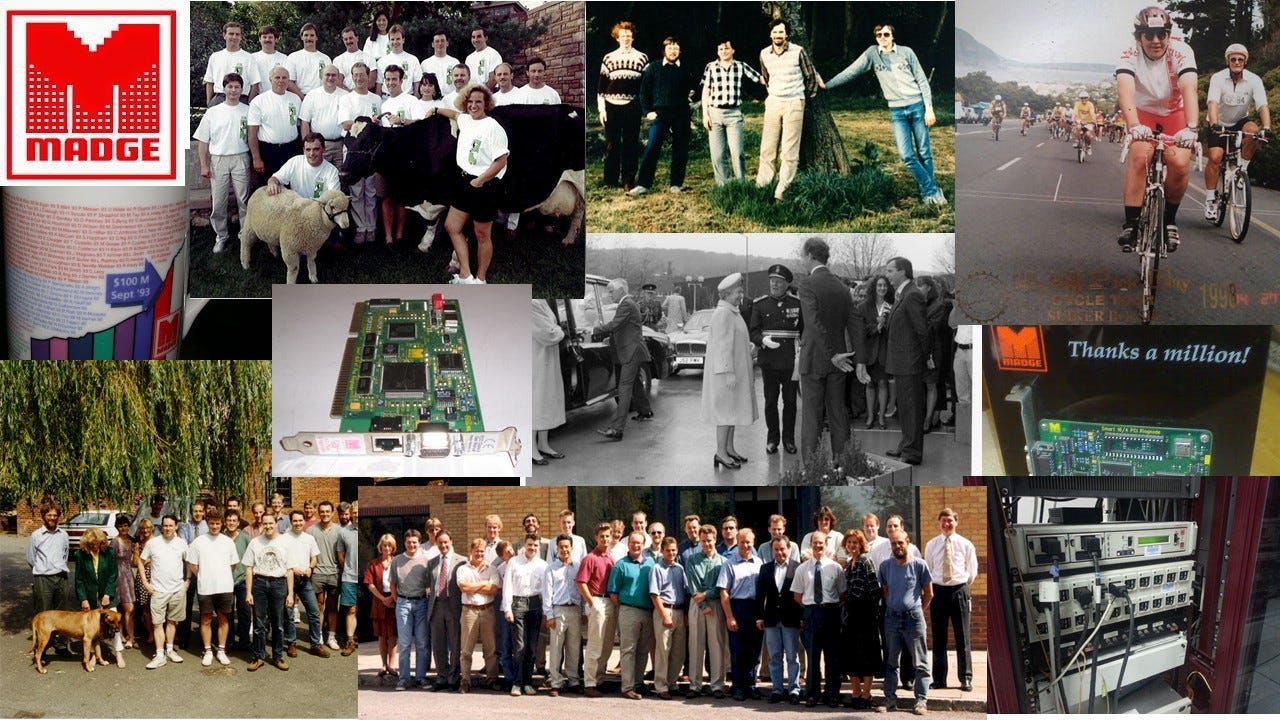
Our chat that day veered into why Madge Networks, a company where we had both worked at back in the day, went tits up. I’d scribbled about it before, but hashing it out with Duncan brought it all back. My take? Madge had a solid solution in hand and went hunting for a problem to fit it, all while piling on one bad strategic call after another. Truth is, when a company craters like that, it’s never just one reason—it’s a bloody avalanche of them. You’ve got the obvious surface-level cock-ups, the mid-layer blunders propping those up, and then, if you dig deep enough, the root causes lurking at the bottom. No single villain in the piece, but a chorus of them singing in harmony toward disaster. I’ll lay out my two cents here, but I encourage anyone reading this to chip in—the full picture’s probably a group effort.

If you’re hunting for the gold standard in tech brain farts, look no further than Kodak. They bloody well invented the digital camera, the very thing that gutted their film empire, but they were too busy squeezing every last drop from their legacy cash cow to spot the digital tsunami barreling down. That wave also smashed Polaroid, another innovator caught flat-footed. Madge was like a precursor to that duo: they nailed Token Ring networking to perfection but should’ve pivoted hard into silicon for the Ethernet and WiFi juggernauts on the horizon. Instead, they dabbled in mergers and acquisitions without the street smarts that made Cisco kings of that game. Ironically, Cisco did float an offer to buy Madge, but it got knocked back. As we say out here on the Highveld, “Eish!” What a missed shot.

My own run-in with Madge kicked off in ‘93 or ‘94, installing their FDDI adapters into NetWare SFT III servers. They were the only ones that didn’t crash the whole setup—rock solid. From then on, I was a Madge fanboy through and through. As that guy from Remington shavers said, “I joined them.”

Any yarn about Madge has to circle back to their “Switching to ATM” fiasco. It sounded dead clever at the time, sophisticated, even, but it was clumsy as hell and completely missed the boat on the desktop market. Silicon for everyday connectivity was never heading ATM’s way. Back then, the big debate raged between Token Ring and Ethernet, and the verdict was Ethernet won out. But let’s be real: users ditched both for wireless radios—WiFi steamrolled the lot. Funnily enough, today’s Ethernet tech borrows more from Token Ring than you’d think, especially on the fibre side, where standards trace back to FDDI (remember that relic?). As an aside, one of Ethernet’s dumbest holdovers is its tiny frame size—pathetic, really. Token Ring was streets ahead in design on that front and plenty others. And get this: now we’ve got Ethernet rings per G.8032 specs. Talking rings, Token Ring’s source route bridging was a masterpiece compared to Ethernet’s limp transparent bridging. It let you build massive Layer 2 domains without broadcasts melting everything down; Ethernet had to lean on Layer 3 to catch up.

All that sweat poured into Token Ring MACs? In hindsight, Madge could’ve redirected it to ride the storage or wireless wave that was cresting. The real driver wasn’t video or those Jetsons-style fantasies pushing ATM—it was high-speed storage needs. ATM touted QoS as its killer feature, but Ethernet cracked that nut with higher-level protocols and shaping, all at a fraction of the cost thanks to years of price drops. These days, most priority multimedia traffic runs on traffic shaping—not as fancy as ATM’s QoS blueprint, but it gets the job done. Sometimes. I’m into SD-WAN and know it well. In the last few years those shaping protocols have improved with an example being fq-codel and CAKE.
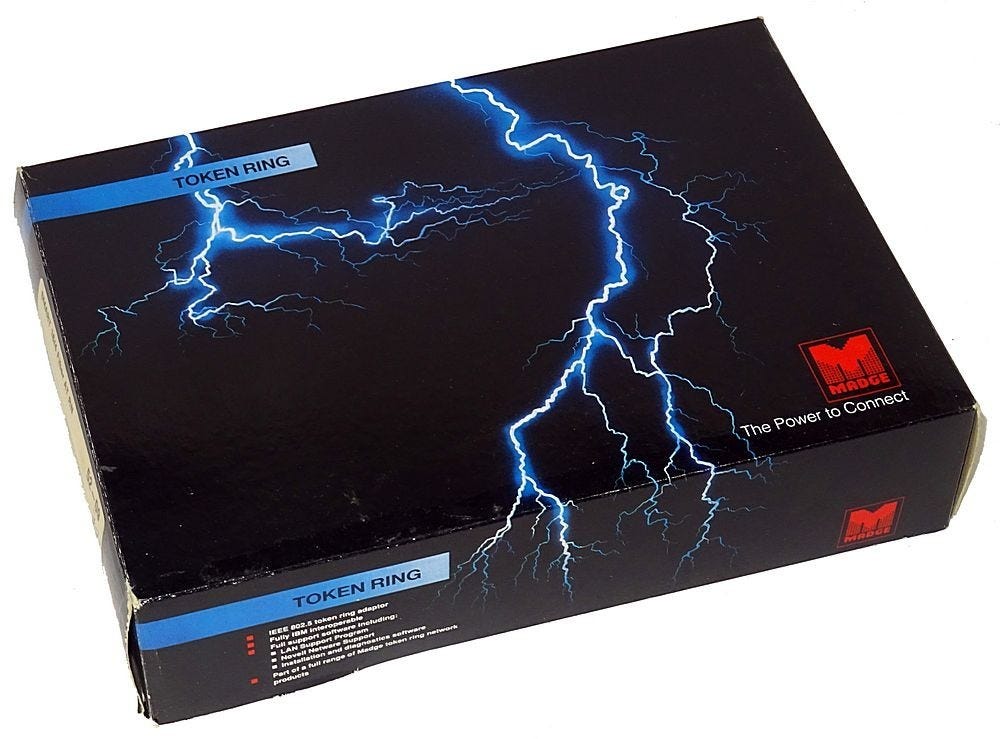
Then there was that late-’90s idiocy: some ponytail in marketing decided to overhaul the corporate identity. Changing your look never boosts sales—it’s a fool’s errand that only lines the pockets of ad agencies. No company’s pulled it off without a hitch, yet they all queue up to try. Classic case? Coke’s New Coke debacle; they had the muscle to backpedal, but Madge? Not so much. Ditching those lightning bolts for brown cardboard boxes? Utter tripe. Went from unique and punchy to bland as dishwater.

And don’t get me started on the Lannet acquisition in 1995. When I chatted with folks there later, they swore blind they were an Ethernet outfit through and through. Madge, though, heard what they wanted and jammed a square peg into a round hole. Mismatch from the jump, and it showed—Lannet got spun off and sold to Lucent by ‘98.

By 1997, the writing was on the wall: Madge slashed 700 jobs, a third of the workforce, scrapped their ATM push entirely, & shuttered their San Jose HQ to retreat back to the UK. They admitted to overreaching without the resources to duke it out with the big dogs. The company limped on but finally folded in 2003, another victim of Ethernet’s relentless march. Hindsight’s 20/20, but Madge’s story’s a cautionary braai-side tale: innovate or die, but pick your battles wisely, or you’ll end up just another tech fossil in the dust.


Ronald Bartels | LinkedIn | Instagram

When its not a flock

Humans have long been captivated by birds, not just with their graceful flights and vibrant plumage, but also through the whimsical and often poetic collective nouns assigned to their groups. These terms of venery, originated in medieval England as part of hunting traditions, where knowing the proper name for a gathering of animals demonstrated one’s sophistication. Many trace back to the 15th century, appearing in works like The Book of Saint Albans, a collection of hunting lore attributed to Juliana Berners. Over time, these names have evolved, some drawing from observed behaviours, superstitions, or sheer linguistic creativity. These are the ones which are more than the generic flock of birds.

Let’s start with one of the most infamous: a murder of crows. This term likely stems from folklore associating crows with death and omens, as they were often seen scavenging battlefields or around carcasses. The word “murder” evokes their supposed propensity for mobbing and killing weak members of their own kind, though this behavior is more myth than fact. It first appeared in English literature around the 15th century. Closely related, an unkindness of ravens or a conspiracy of ravens draws from similar dark associations. Ravens, like crows, were linked to mischief and ill omens in medieval times; “unkindness” may refer to legends of ravens abandoning their young, while “conspiracy” hints at their intelligent, scheming nature. These terms were popularized in The Book of Saint Albans.

Moving to waterfowl, a gaggle of geese applies when they’re on land, evoking the noisy, chaotic sound they make— “gaggle” comes from Middle English for babbling or cackling. In flight, however, they become a skein of geese, referring to a thread or yarn, perhaps inspired by the V-shaped formation resembling a skein unwinding. These distinctions highlight how context-specific many collective nouns are, with roots in Old English observations of bird behavior. Similarly, a lamentation of swans captures the mournful trumpeting calls of these elegant birds, a term from the medieval era that poetically anthropomorphizes their sounds as sorrowful cries.

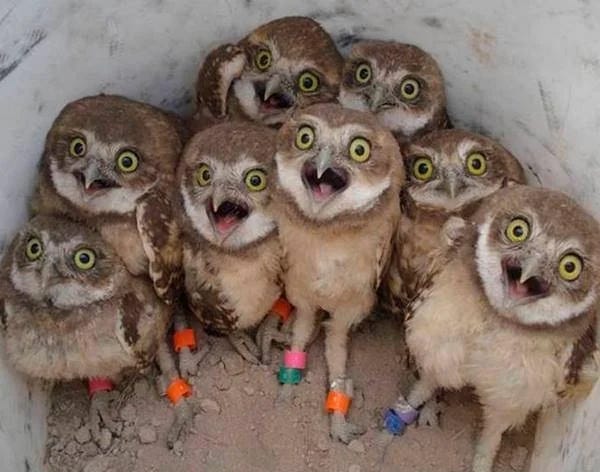
For raptors and predators, the names often evoke power or strategy. A parliament of owls is one of the most evocative, linking to ancient Greek mythology where owls symbolized wisdom (accompanying Athena, goddess of reason). The “parliament” suggests a wise assembly, though its modern popularity surged with C.S. Lewis’s The Chronicles of Narnia. It may have earlier roots in Chaucer’s Parliament of Fowls.

A wake of vultures (when feeding) alludes to a funeral wake, given their role as scavengers circling death; this term emerged from observations of their feeding habits in the 19th century or earlier. A cast of falcons borrows from falconry, where “casting” means releasing birds to hunt, a practice documented in medieval hunting texts. Less common but striking are a brigade of martial eagles, perhaps inspired by the military connotation of “martial” (warlike) and their aggressive hunting in groups, though its exact origin is obscure and may be a modern invention based on behavior.

Shorebirds and waders have equally descriptive terms. A siege of herons refers to their patient, besieging stance while hunting fish, first noted in The Book of Saint Albans. A flamboyance of flamingos perfectly captures their vivid pink hues and showy displays, with “flamboyance” deriving from French words for flame or flair, likely coined as flamingos became more studied in zoos and wild habitats.

A dive of kingfishers evokes their plunging hunting technique, a more recent term based on direct observation rather than ancient lore. An irritation of hadedas are those creatures in our gardens here in South Africa who drive us nuts. An impi of lilac-breasted rollers who are venerated by the Zulus. A sneer of penguins as they look like butlers. A squadron of seagulls as they bomb in unison. A strafe of fish eagles as they fly in when hunting fish. A shag of turtle doves, just because. A tsotsi of cuckoos as they always stealing. A camouflage of Piet My Vrou’s as you can never find our see them. An ambush of Kieviets, as that is what they do! A state capture of Indian Mynahs because of the Guptas. A haunting of sacred ibises as that are flying ghosts. A dazzle of sunbirds as the catch the sun. A catwalk of Hoopoe, because they prance like models. A skinder of Secretary Birds, because that is what a pool of typists do.

Among smaller birds, personality shines through. A descent of woodpeckers describes their habit of spiraling down tree trunks, a name from noting their vertical movements. A charm of hummingbirds reflects their enchanting, jewel-like appearance and hovering flight, when these new world birds gained popularity in Europe. A scold of jays nods to their loud, scolding calls when alarmed, while a mischief of magpies highlights their thieving, playful reputation in folklore. A trembling of finches may refer to their fluttering wings in flight, and a quarrel of sparrows captures their noisy disputes over food or territory—these terms often stem from 16th-17th century naturalist writings.

More exotic or regional names include a plague of grackles, alluding to their large, invasive flocks that can overwhelm areas like a biblical plague, a term popularized in North American birdwatching circles. A confusion of guinea fowl describes their disorganized, panicky group behavior, originating from African introductions to Europe in the Renaissance. A congregation of weaver birds straightforwardly refers to their intricate woven nests forming communal colonies where they sing like members of a church. Rarer still are a peloton of hammerkops, borrowing from cycling jargon for a tight group (hammerkops look like cyclists with helmets), and a dive of kingfishers, as mentioned earlier.

These collective nouns remind us of the rich interplay between language, culture, and nature. While some have ancient roots in superstition and hunting, others are modern inventions inspired by behavior. My personal favorite has to be a flamboyance of flamingos—it’s just so vividly fitting for those leggy, pink spectacles strutting through shallow waters, bringing a touch of extravagance to the avian world. Whether you’re spotting a murder in the treetops or a gaggle on the pond, these names add a layer of delight to birdwatching.

Ronald Bartels | LinkedIn | Instagram

Awkward

It was one of those balmy Jozi evenings, just as the world was tentatively shaking off the grip of the COVID pandemic. I’d been invited to dinner at the home of an old school friend in Parktown, that venerable suburb where grand Herbert Baker-designed homes still stand like silent guardians of a bygone era, their red-tiled roofs and stone facades dotted along tree-lined streets. The invitation promised a low-key gathering—nothing fancy, just good food, wine, and conversation to reconnect after the isolation of lockdowns. Little did I know it would devolve into one of the most surreal and uncomfortable encounters of my adult life.

The guest list was small: my friend, his father (a warm, retired businessman with a penchant for marketing), and a neighbor named Rex, a retired South African judge who’d hung up his robes a few decades earlier. Rex was in his eighties, sharp-eyed and impeccably dressed in a crisp shirt and trousers, exuding the kind of authoritative presence that comes from years on the bench. At first, the evening unfolded pleasantly. We sat around a wooden dining table laden with homemade bobotie, fresh salads, and a robust bottle of local Pinotage. Conversation flowed easily—reminiscences about school days, the quirks of Parktown’s history, and the shared relief of emerging from pandemic restrictions. Masks were off, vaccines were in, and there was a palpable sense of normalcy returning.

But as the main course gave way to dessert, the tone shifted. Rex, perhaps emboldened by a second glass of wine, steered the discussion toward the pandemic itself. What began as mild skepticism quickly escalated into a full-throated rant about conspiracy theories. “It’s all Bill Gates’ doing,” he declared, his voice rising with conviction. “That man’s not content with his billions—he wants to control the world, Illuminati-style. The vaccines? Just a ploy to track us, make more money, and play God with humanity.” He went on, citing vague “sources” from fringe online groups and social media echo chambers that amplified such nonsense, painting Gates as some shadowy puppet master behind global events using microchips hidden in vaccines.

I listened politely at first, but as someone who’d built much of my career around technology, I couldn’t let it slide unchallenged. “With all due respect, Judge,” I interjected calmly, “I’ve spent my entire professional life using, supporting, and deploying products that originated from Bill Gates’ company. Microsoft has been a cornerstone for so many of us. Gates? He’s just a plain old nerd at heart—a brilliant one, sure, but his philanthropy, especially in medical causes, strikes me as genuine. He’s poured billions into fighting diseases like malaria and polio, not to control the world, but to make it a better place. It’s about giving back, not some sinister plot and there are no microchips floating in vaccines.”

The room fell silent for a beat. Rex’s face reddened, his judicial composure cracking like thin ice. Then, without warning, he leaned forward and barked, “Fuck off.” The words hung in the air, crude and jarring, utterly out of place in this refined setting. My friend froze, fork midway to his mouth; his father cleared his throat awkwardly, staring into his plate. I blinked, staring back at Rex, wondering if this was the onset of senility or just a flash of unchecked temper. Had the pandemic’s isolation frayed his edges, or was this the real man beneath the robe?

The rest of the evening limped along in strained politeness. Dessert was eaten in near silence, punctuated by forced small talk about the weather and local events—anything to avoid the elephant in the room. As I drove home later, winding through Parktown’s shadowy streets, I couldn’t shake the unease. How had this man, entrusted with presiding over courtrooms and dispensing justice, harbored such irrational beliefs? How could someone so unbalanced in temperament have wielded the gavel, deciding fates with the weight of law? It was a stark reminder that titles and authority don’t always equate to wisdom or restraint. In the end, that dinner wasn’t just awkward—it was a window into the fragility of reason in an age of misinformation.

But, hey, the world is full of those.

Ronald Bartels | LinkedIn | Instagram

Christmas

As December rolls in, like clockwork, I dust off my well-worn copy of Love Actually and settle in for the ritual viewing. It’s the quintessential Christmas movie, one that never grows old, with its heartfelt message of love, connection, and holiday magic distilled into pure Christmas essence. For me, Christmas isn’t just a holiday, it’s a tradition that seeps right into my bones, a visceral pull that feels as innate as breathing.

Being German by heritage, I suppose I’m a tree worshipper at heart, a bona fide tree hugger with roots that run deep. My earliest act of arboreal devotion was to a wild fig tree that sprawled outside the window of the dusty farmhouse where I spent my youth. I’d gaze at it for hours, imagining it as a guardian spirit. And it’s no exaggeration to say this reverence is in my blood; our family has over 500 years of documented history intertwined with Christianity, tracing back to the very door in Wittenberg where Martin Luther nailed his 95 Theses, sparking the Reformation. That legacy pulses through me, even if my own beliefs has evolved.

Growing up in New Hanover, the local Lutheran church embodied the season’s splendor. Each year, a massive pine tree would be hauled inside and positioned proudly beside the altar, a towering symbol of evergreen hope. It wasn’t adorned with modern electric lights but with real candles, each one carefully ignited using a match affixed to a long stick—a ritual that filled the air with the warm flicker of flame and the faint scent of melting wax. The sight was mesmerizing, almost sacred. Afterward, the church’s brass band would strike up hymns, their notes resonating through the pews like a communal heartbeat. In the weeks leading up to Christmas, the church bazaar became a highlight, bustling with stalls selling handmade ornaments—delicate glass baubles, wooden carvings, and glittering stars that we’d hang on our own trees at home.

No Christmas memory is complete without visits to my grandmother Bertha, whose kitchen was a haven of holiday delights. She’d serve her traditional Butterkuchen, that buttery yeast cake dusted with sugar and almonds, alongside Zirupskuchen, a syrupy treat that melted on the tongue. Those flavors are the very taste of Christmas for me, evoking warmth and nostalgia in every bite. Even now, living in Johannesburg, I scour the shops each December in search of authentic Lebkuchen—those spiced gingerbread cookies that transport me straight back to my roots.

My parents would put on a Boney M cassette in the Mercedes Benz. We would listen endlessly to “By the Rivers of Babylon”. I’m still transported to the back seat of that car, wedged between my boet and sis every time I hear that song.

My sister shares this passion for the season and takes charge of our family gatherings, orchestrating a sumptuous dinner on Christmas Eve. We skip the fanfare of Christmas Day altogether, honoring the German custom of celebrating on the night before, the Heilige Nacht, or Holy Night. If possible, we seek out a church service where we can join in singing “Silent Night,” its melody wrapping around us like a familiar embrace. The tears come unbidden, rolling down my cheeks without shame, a release of all the accumulated joy and melancholy of the year.

At its core, Christmas for me is about giving—everyone deserves a present, not something extravagant, but a token that’s personal and meaningful, chosen with thought and care. And here’s my confession: for all the Christian heritage in my veins, Christmas isn’t truly religious to me. Sorry, Jesus—it’s something deeper, more primal, woven into my DNA. It’s a potent brew of ancestral echoes, a pause for reflection amid the whirl of life, blending the simple pleasures of tree hugging and SĂŒĂŸigkeiten—the sweets that make the season sparkle. I suppose some might brand me a heretic for saying so, but by choice, I’d leave my Christmas lights twinkling all year round. Their soft glow is too beautiful to confine to just one month. That’s me—unapologetically enchanted by a primitive festival’s enduring magic.

My favourite apostle is Thomas who would always go to first principles, and Christmas is not about the myths but being nice as the first principle.

Window shopping

As a young boy growing up on our family farm in the rolling hills of KwaZulu-Natal, the simple rhythms of rural life shaped my world as I learned the land’s secrets from my father’s calloused hands. But come December, a magical ritual broke the monotony—the annual pilgrimage to Pietermaritzburg for window shopping. This wasn’t just any outing; it was our prelude to Christmas, a shimmering promise of the holiday’s joy wrapped in the cool evening air. The town lay about 30 kilometers away, a journey that felt like crossing into another realm, where the dirt roads gave way to bustling streets alive with lights and laughter.

We’d pile into the Mercedes—my parents, siblings, and I—after supper, when the sun dipped low and the night sky began to twinkle like the decorations we’d soon behold. Pietermaritzburg, with its colonial charm and vibrant energy, was a far cry from our isolated homestead. The main streets pulsed with holiday cheer, shops aglow with festive displays that drew crowds like moths to a flame. But none captivated us more than Stuttafords and John Orrs, the grand dames of the retail scene. Their windows were masterpieces: elaborate tableaux of twinkling trees, mechanical Santas waving merrily, and piles of wrapped gifts that sparked endless “what if” dreams in my childish mind. We’d stroll from one to the next, pressing our noses against the glass, oohing and aahing as the displays unfolded like storybooks come to life. My mother would point out the elegant dresses, my father the sturdy toys, and we’d all imagine what treasures might find their way under our modest tree back home.

Those evenings were pure enchantment, but one particular Christmas Eve outing etched itself into family lore, recounted at every birthday and holiday gathering thereafter with equal parts horror and hilarity. I was not yet going to school, and was wide-eyed and overwhelmed by the urban spectacle. As we lingered before John Orrs’ magnificent window—a veritable winter wonderland of faux snow and animated reindeer—nature called with urgent insistence. Being a farm boy through and through, accustomed to relieving myself against a tree or in the open fields without a second thought, I saw no issue with the matter. So, right there on the bustling sidewalk, I sidled up to the window, dropped my shorts, and let loose a stream against the glass. To my innocent logic, it was as natural as breathing; the city lights reflected in the puddle at my feet like some impromptu holiday art installation.

The gasps from passersby were immediate, but it was a stern-faced lady nearby who broke the spell. She turned to my mortified mother, who was frozen in shock, and quipped dryly, “At least he shook it.” My parents whisked me away amid apologies and stifled laughter, the incident becoming an instant legend. Back on the farm, it was retold with embellishments—how the window nearly steamed up, or how I waved cheerfully to my reflection mid-act. Even now, decades later, as we gather around the table, my sister inevitably pipes up with, “Remember that time in Pietermaritzburg?” and the room erupts in chuckles. It was a lesson in the clash of worlds: the untamed freedom of rural life meeting the polished propriety of the city. In those windows, I didn’t just see holiday dreams; I glimpsed the boundaries of my own innocence, forever marked by a boy’s bold blunder.

Ronald Bartels | LinkedIn | Instagram

Redefining disabled

The world is obsessed with labels, and few words carry as much unintended weight as “disabled.” It’s a term that’s thrown around casually in medical forms, policy discussions, and everyday conversations, but what does it really mean? At its root, “disabled” suggests a fundamental lack, incapability, brokenness, or deficiency. It paints a picture of someone who is inherently less than whole, forcing them into a perpetual battle to prove their worth against the so-called “able-bodied” norm. But here’s the truth: no one is truly “disabled” in the way this word implies. We’re all navigating life’s challenges, and physical or cognitive differences don’t equate to incapacity. Instead, they often forge extraordinary resilience, creativity, and strength.

Think about it: every day, we all have to prove ourselves. The entrepreneur pitching their startup, the artist unveiling their work, the parent juggling chaos, none of us get a free pass. Why, then, do we burden some with a label that screams limitation from the start? It’s time to retire “disabled” and embrace a narrative of human potential. Let’s look at some real-life heroes who shatter this myth, proving that what society calls a “disability” is often just a different path to greatness.

Stephen Hawking | The Mind That Defied Gravity

Take Stephen Hawking, the brilliant physicist whose name is synonymous with black holes, the Big Bang, and the very fabric of the universe. Diagnosed with ALS as a young adult, Hawking gradually lost the use of his limbs and voice, relying on a wheelchair and a speech synthesizer. Yet, did this make him “disabled”? Far from it. He authored A Brief History of Time, a bestseller that made complex cosmology accessible to millions. He held the Lucasian Professorship at Cambridge, the same chair once occupied by Isaac Newton. Hawking’s intellect soared beyond physical constraints, challenging our understanding of time and space. He once quipped, “My goal is simple. It is a complete understanding of the universe, why it is as it is and why it exists at all.” If that’s “disabled,” then sign me up for the club. Hawking wasn’t limited; he was liberated by a mind that refused to be confined.

Lord Nelson | Victory on the High Seas, One Arm at a Time

History is rife with examples, and few are as swashbuckling as Admiral Horatio Nelson. The British naval hero lost sight in one eye during the Siege of Calvi and had his right arm amputated after the Battle of Santa Cruz de Tenerife. Battle-scarred and physically altered, Nelson could have retired to a quiet life. Instead, he led the Royal Navy to decisive victories, most famously at the Battle of Trafalgar, where he crushed Napoleon’s fleet and secured Britain’s dominance at sea. Nelson’s famous signal, “England expects that every man will do his duty,” wasn’t uttered from a place of pity or concession, it was a rallying cry from a leader who embodied unyielding determination. His “disabilities” didn’t hinder him; they became part of his legend, proving that true capability lies in strategy, courage, and will.

Douglas Bader | Reaching for the Sky, Legs or No Legs

One story that hits particularly close to home for me is that of Douglas Bader, the RAF fighter pilot whose biography, Reach for the Sky, I’ve devoured multiple times. Bader lost both legs in a flying accident. Doctors said he’d never walk again, let alone fly. But Bader, with his trademark grit, fitted himself with prosthetic legs and badgered his way back into the cockpit. By World War II, he was commanding squadrons in the Battle of Britain, piloting Spitfires with acrobatic flair and racking up multiple aerial victories. Captured by the Germans after being shot down, he even attempted multiple escapes from POW camps, once famously trying to climb out using his artificial legs as leverage. Bader’s life screams defiance: “No matter what, you can achieve.” As a Spitfire ace, he wasn’t just participating; he was excelling in one of the most demanding arenas imaginable. Fuck yeah, indeed—that’s the spirit that turns obstacles into fuel.

These aren’t isolated cases. The list of such trailblazers is endless: Frida Kahlo, who channeled chronic pain into revolutionary art; Beethoven, composing symphonies while deaf; or modern icons like Paralympic athletes who redefine speed and strength. What unites them isn’t a shared “disability”, it’s an unwavering refusal to let circumstances define their narrative.

The Personal Lens | One Eye, Infinite Perspectives

On a more personal note, living with one eye changes things. Depth perception shifts, your brain rewires to adapt, and everyday tasks like driving or catching a ball require a bit more finesse. But at its core, it’s not a deficit, it’s a distinction. It makes you rare, forcing a unique way of seeing the world (pun intended). You notice details others miss, anticipate movements differently, and build resilience that “two-eyed” folks might never need. It’s a reminder that differences aren’t disabilities; they’re superpowers in disguise. Society’s labels try to box us in, but embracing our uniqueness unlocks potential we didn’t know we had.

Redefine

Disabled is a word that creates barriers where none need exist, fostering pity instead of empowerment. Instead, celebrate the human spirit’s adaptability. Whether you’re Hawking unraveling the cosmos, Nelson commanding fleets, or Bader soaring through dogfights, the message is clear: capability isn’t about perfect bodies—it’s about unbreakable minds and hearts.

Ronald Bartels | LinkedIn | Instagram

A Halloween Scary Story of why ITIL Tools Fail Incident Management & Block Problem Solving

Many “ITIL aligned” service desk tools have flawed incident management. The reason is that incidents are logged with a time association and some related fields to type in some gobbledygook. The expanded incident life cycle is not enforced and as a result trending and problem management is not possible.

Here is a fictitious log of an incident at PFS, a financial services company, which uses CGTSD, an “ITIL-aligned” service desk tool. Here is the log of an incident record from this system:

Monday, 12 August:

09:03am (Bob, the service desk guy): Alice (customer in retail banking) phoned in. Logged an issue. Unable to assist over the phone (there goes our FCR), will escalate to second line.

09:04am (Bob, the service desk guy): Escalate the incident to Charles in second line support.

09:05am (Charles, technical support): Open incident.

09:05am (Charles, technical support): Delayed incident by 1 day.

Tuesday, 13 August:

10:11am (Charles, technical support): Phoned Alice. The issue needs to be resolved by Denton.

10:12am (Charles, technical support): Forward the incident back to the service desk.

10:15am (Eric, the service desk guy): Open incident.

10.17am (Eric, the service desk guy): Forward the incident to Bob, with a note saying, Bob this looks like your stuff?

11:21am (Bob, the service desk guy): Open incident.

11:22am (Bob, the service desk guy): Forward the incident to Denton.

Wednesday, 14 August:

07:11am (Denton, technical support): Open incident.

07:12am (Denton, technical support): Forward the incident to Charles with a note, who the f*** is Alice?

09:01am (Charles, technical support): Open incident.

09:02am (Charles, technical support): Forward the incident to Denton, with a note, this is your issue to resolve.

09:04am (Denton, technical support): Open incident.

Thursday, 15 August:

14:03pm (Eric, the service desk guy): Open incident. Adds note to Denton. Customer Alice phoned to query status of issue.

Friday, 16 August:

09:01am (Bob, the service desk guy): Open incident. Adds note to Denton. Service level is broken. Please provide feedback as to the status of the issue or I will escalate it to your manager.

10:01am (Bob, the service desk guy): Forward incident to Farouk (technical support manager). SLA is broken, please attend.

10:30am (Farouk, technical support manager): Open incident.

10:32am (Farouk, technical support manager): Forward incident to Bob with note, please assign this to George. I fired Denton as he and Charles were fighting over a girl named Alice. I cannot allow personal relationships and love triangles to affect our services. Charles poured Coke over Denton’s keyboard and Denton stabbed Charles in the hand with a Bic pen.

10:36am (Bob, the service desk guy): Open incident.

10:37am (Bob, the service desk guy): Forward incident to George.

11:02am (George, technical support): Open incident

11:14am (George, technical support): Forward incident to Eric. Phoned customer Alice. Could not work out what the issue is over the phone. Customer was hysterical. Please send someone from desktop support to her.

11:15am (Eric, the service desk guy): Forward incident to Bob.

11:59am (Bob, the service desk guy): Open incident.

12:03pm (Bob, the service desk guy): Forward the incident to Hanna.

15:09pm (Hanna, desktop support): Open incident.

16:01pm (Hanna, desktop support): Incident delayed to Monday 19 August. Unable to contact customer Alice on phone.

Monday, 19 August:

08:74am (Hanna, desktop support): Phoned customer. Arranged appointment for 10:00am.

10:49am (Hanna, desktop support): Forward incident to service desk. Customer Alice needs a new gibble. Please assign to procurement.

10:58am (Eric, the service desk guy): Open incident.

10:59am (Eric, the service desk guy): Forward incident to Ivan.

11:00am (Ivan, procurement): Open incident.

11:02am (Ivan, procurement): Forward incident to Eric. A new gibble requires Form 123 to be attached.

11:03am (Eric, the service desk guy): Forward incident to Bob.

12:00pm (Janet, service desk manager): Adds note to Bob. This incident is in SLA breach. Please explain?

12:32pm (Bob, the service desk guy): Open incident.

12:38pm (Bob, the service desk guy): Emails incident log to Janet with note, it was Denton’s fault but he was fired.

12:39pm (Bob, the service desk guy): Added note that Form 123 was emailed to customer Alice to complete.

15:23pm (Bob, the service desk guy): Forward incident to Ivan with completed Form 123 attached.

16:22pm (Ivan, procurement): Open incident.

16:23pm (Ivan, procurement): Forward incident to Kevin with note to supply gibble to Hanna to delivery and install for customer Alice.

Tuesday, 20 August:

08:00am (Kevin, logistics): Open incident.

08:02am (Kevin, logistics): Forward incident to Lorna with note, no more gibbles in stock, please order.

08:17am (Lorna, procurement): Open incident.

08:51am (Lorna, procurement): Gibble ordered. Incident delay to Thursday 22 August.

Wednesday, 21 August:

09:08am (Bob, the service desk guy): Open incident and added note that customer Alice phone about issue. Told customer that gibble was on order and due to arrive tomorrow.

Thursday, 22 August:

10:03am (Lorna, procurement): Open incident. Forwarded to Kevin with note, gibble has arrived, please deliver to Hanna.

10:05am (Kevin, logistics): Open incident.

10:33am (Kevin, logistics): Forward incident to Hanna with note that gibble has been delivered.

11:22am (Hanna, desktop support): Open incident.

11:23am (Hanna, desktop support): Forward incident to service desk with note, slipped on banana peel and broke leg. Please assign to someone else to install gibble.

11:24am (Eric, the service desk guy): Open incident.

11:25am (Eric, the service desk guy): Forward incident to Mandy with note to install gibble for customer Alice.

12:33pm (Mandy, desktop support): Forward incident to Kevin, with note, where is the gibble.

12:50pm (Kevin, logistics): Forward incident to Mandy with note that Gibble is on Hanna’s desk.

12:51pm (Mandy, desktop support): Open incident.

12:52pm (Mandy, desktop support): Delay incident to Friday 23 August with note that due to Hanna being incapacitated that the workload is too high.

Friday, 23 August:

09:07am (Mandy, desktop support): Open incident.

09:10am (Mandy, desktop support): Added note that customer Alice was phone and appointment arranged for 11:00am to install gibble.

11:16am (Mandy, desktop support): Forward incident to Bob with note that gibble is installed.

11:59am (Bob, the service desk guy): Open incident.

12:22pm (Bob, the service desk guy): Forward incident to Janet with note that he phoned customer to confirm that incident could be closed, but customer Alice was most upset with the service level.

12:35pm (Janet, service desk manager): Open incident.

12:36pm (Janet, service desk manager): Forward incident to Jacques with note to please investigate poor service.

12:38pm (Jacques, service level manager): Open incident.

12:39pm (Jacques, service level manager): Forward incident to Russell with note to perform RCA on poor service levels being provided by desktop support.

12:40pm (Russell, problem manager): Open incident.

12:59pm (Russell, problem manager): Incident closed and added to knowledge base with note, WTF?

Sadly, the actual logs of this fictitious incident are not that far removed from reality. The problem is that “ITIL aligned” service desks do not enforce process discipline (not even the bare bones of the expanded incident life cycle!) The above highlights the following:

  • The actual description and details of “the issue” is never logged.
  • Incident ping-pong is not negated.
  • The times of the actual actions or tasks are never recorded.
  • There are black holes in the process.
  • The tool becomes more important than actually assisting the customer, who the f*** is Alice?
  • The tool does not automate or reduce service times, it increases them and introduces process inefficiencies.
  • The escalations miss the boat, errr, customer.
  • This is over a period of 11 days. It is not uncommon that broken SLA's are extreme.

Here are the best ITIL aligned tools:

  • Winner – A4 Counter book. Best tool on the market for multiple causation! Notepad.exe is not as good because it is restricted to text.
  • Runner up – Bic pens. Is having more than one taking care of business continuity?
  • Honourable mention – what would a process be without a Post-it Note? Read here about how Post-IT Notes were a mistake that became a winner.

Comment below about your experiences of service desks.


Bonus | Who the #### is Alice?

Ronald Bartels | LinkedIn | Instagram

Forever young

Kathleen (Kath) & I fell in love in a rush, the way some people only do once in a lifetime. Within a couple of months we knew we would marry. Who are you, her friends and family asked? We chose a date at the very end of the year because it felt right, closing one chapter, opening the next, the millennium. The venue she loved and wanted (Avianto) was free two days before her birthday. I grinned and told everyone it was deliberate: I wanted to marry a younger woman, even if only by forty-eight hours. She laughed, rolled her eyes, and kissed me anyway. That joke became part of our story, repeated at every anniversary with the same mock indignation and the same sparkle in her eyes.

She died at forty-one, in August, just days after my own birthday, gifting me a chimenea, of which I had spoken about many times after a trip to Acapulco . The cruelty of the calendar stings—how it kept moving while she stopped and how the month of August now resonates.

I remember our wedding day in perfect detail: the heat of the candles, the carefully selected flowers, the way she walked toward me with commitment and confidence. But her birthdays now are different. I do not picture her growing older. I refuse the thought. There are no candles for her anymore, no new lines around her eyes, no grey hairs to tease her about. She is locked in light, forever the age she was when she left—vibrant, mischievous, impossibly alive. She stepped out of time at forty-one, and time can’t touch her anymore.

Birthdays are for the living. They mark another trip around the sun, another year of growing and changing and becoming. I don’t mourn the birthdays she never reached. I celebrate the ones she had, and I keep her exactly as she was: young, luminous, laughing at my terrible jokes. Forever the age she was when love still felt invincible.

Eternity has no need for birthdays She is not forty-two, forty-five, fifty or sixty-four. She is forty-one, always. Forever young. Forever


Ronald Bartels | LinkedIn | Instagram

Packing Padkos for Your Hitchhiking Adventures | Essential Tips for Meerkats from South Africa

Although we live in the burrow of Douglasdale and our bolthole is right next to the William Nichol bridge on the concrete super slab, we are not as mal as the kieviet down the Crescent who insists on nesting in the middle of nowhere including the road. He and his vrou then screech and run in the opposite direction believing it will lead you away from their nest. That screech sounds worse than Patricia Lewis singing “Ek is lief vir jou” while sitting on a barbed wire fence. Whatever! Occasionally we hitchhike around our planet Earth, and on those occasions we need to pack padkos. So here are the suggestions:

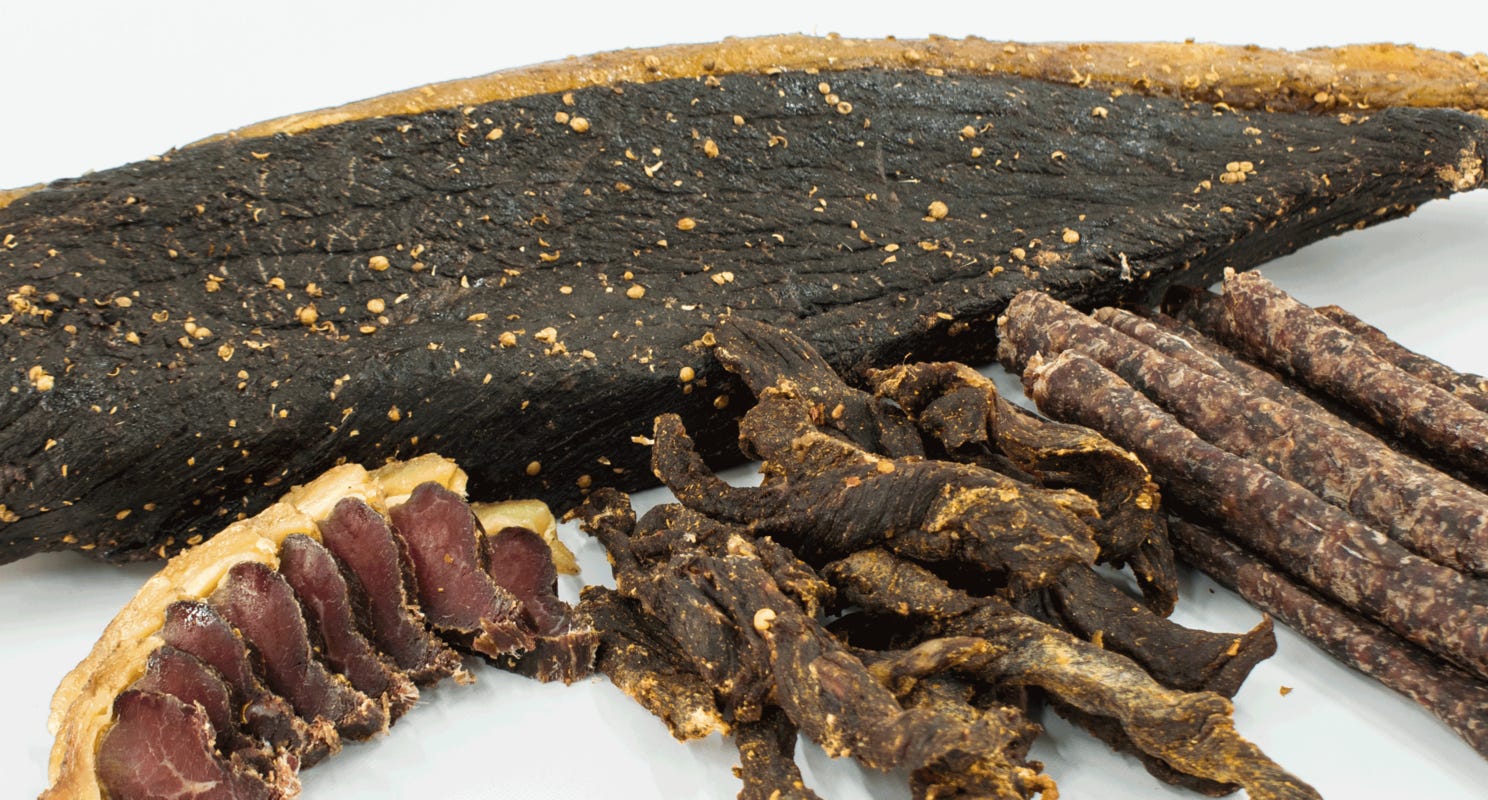
  • Biltong! Strips of dried meat salted to perfection. Best made at altitude and in the dry air of the Highveld with a lekker stukkie vet on one side. Can be made anywhere in the world if you have a data centre, unmount the servers and use the rack with fans blowing at full speed.
  • Mrs Balls Chutney: No sausage is complete without this sauce especially a boerie roll. The legend is that the burrows were introduced to the recipe by a shipwrecked eskimo who liked peaches. Just need to make sure the chutney is made before cousin Koos gets hold of them to make witblits!

  • Rooibos tea: Over at the Cedarberg burrow the Meerkats have a amazing bush that makes the best tea in the world. There is no truth in the rumour that the leader of the free world uses it as a shampoo, giving his hair body and a unique hue. But if he drank some, he would definitely tweet every other tea is fake!
  • Melktert: The tannies in the burrow make some of the best pastries in the world. The bolthole kitchens deliver a creamy treat known as a melktert whose deliciousness is only equaled only by anther sticky treat from the same kitchens known as a koeksuster.
  • Romany Creams: Two cookies sandwiched together using chocolate. If Rooibos tea is not available and you have to settle for second best, like Earl Grey, this will make up for the disappointment as an accompaniment.
  • Creme Soda: A fizzy drink that is better than that rubbish Coca Cola. Invented by Meerkat Gert over at the Desert City burrow, who ran out of syrup for his sodastream. He found some vanilla essence in Ouma Greyvenstein se kombuis, added some green food colouring and as they say in the classics, the rest is history!
  • NikNaks: A cheesy snack made from meilies by the pride of Lions. The Lions in this neck of the savannah are a lazy bunch who don’t do much but shag and eat Impalas. But dammit, they are good at making snacks like AmaNikNaks and even ones from potatoes, like those salt and vinegar ones. Simply roars with flavour!

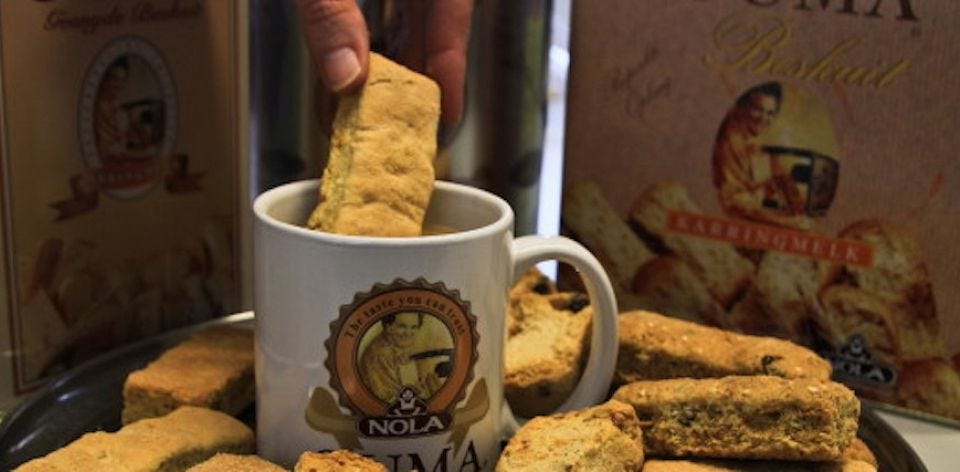
  • Ouma Rusks: A speciality from Ouma Greyvenstein se kombuis. A more important item for your backpack than a space blanket or a Swiss Army knife. Likely, to keep the average Meerkat going for the whole day and can also be used to moer any passing angry looking Cobra.
  • Peppermint Crisp: Jislaaik. The bigger the better. That the local spazas around the planet do not stock these chocolate bars is shocking. Only problem is it bliksems melts and you need to find a fridge to kewl down you stash!

If you have a favourite padkos, leave a comment below and if you see a wandering hitchhiking Meerkat around the planet, you know what he is looking for. You will recognise them by the vellies they are wearing and the grunting cry they make, especially in the higher latitudes of “dis blerrie koud!”

Ronald Bartels | LinkedIn | Instagram


The town where Christophe Bartels had been the Lutheran Pastor

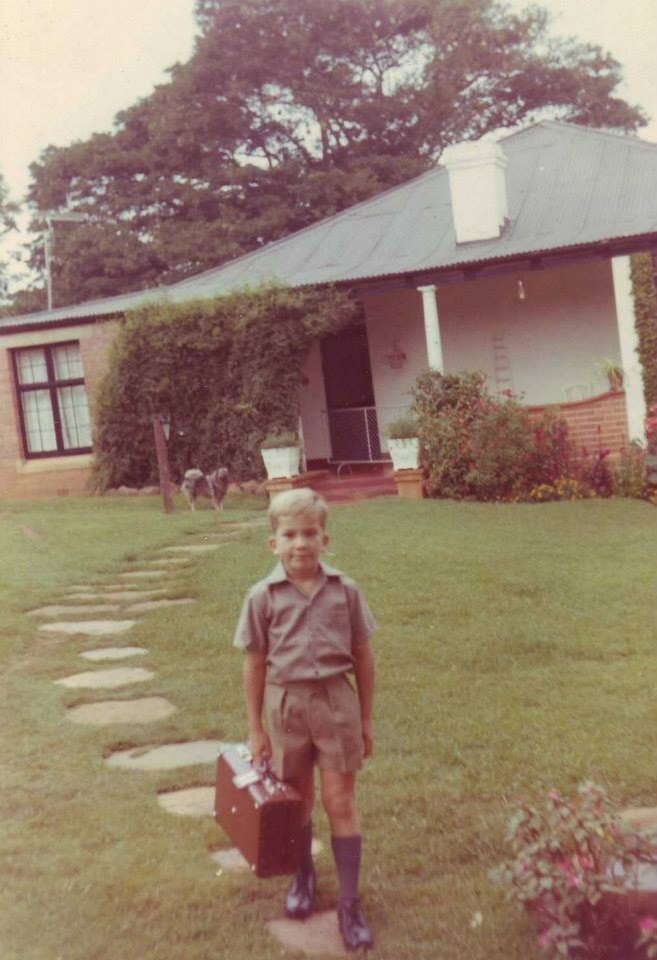
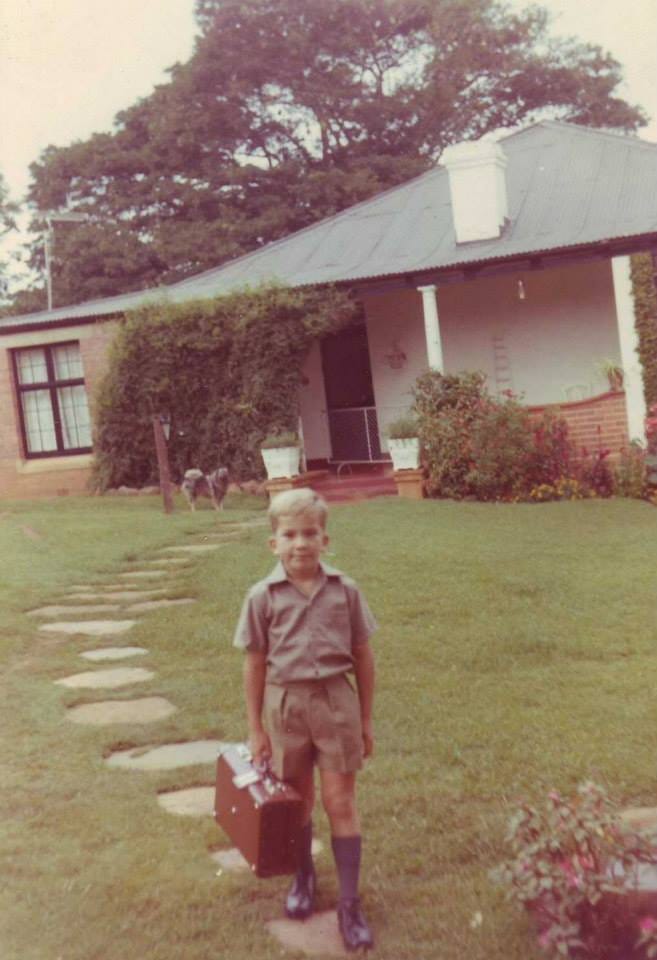
Wartburg-Kirchdorf Primary School, nestled in the small town of Wartburg, was where I spent my formative years from Class 1 to Standard 5. Those years were filled with quirky discoveries, unforgettable characters, and moments that shaped me in ways I didn’t fully appreciate until much later. We wore Khakis clothes and Bata shoes.

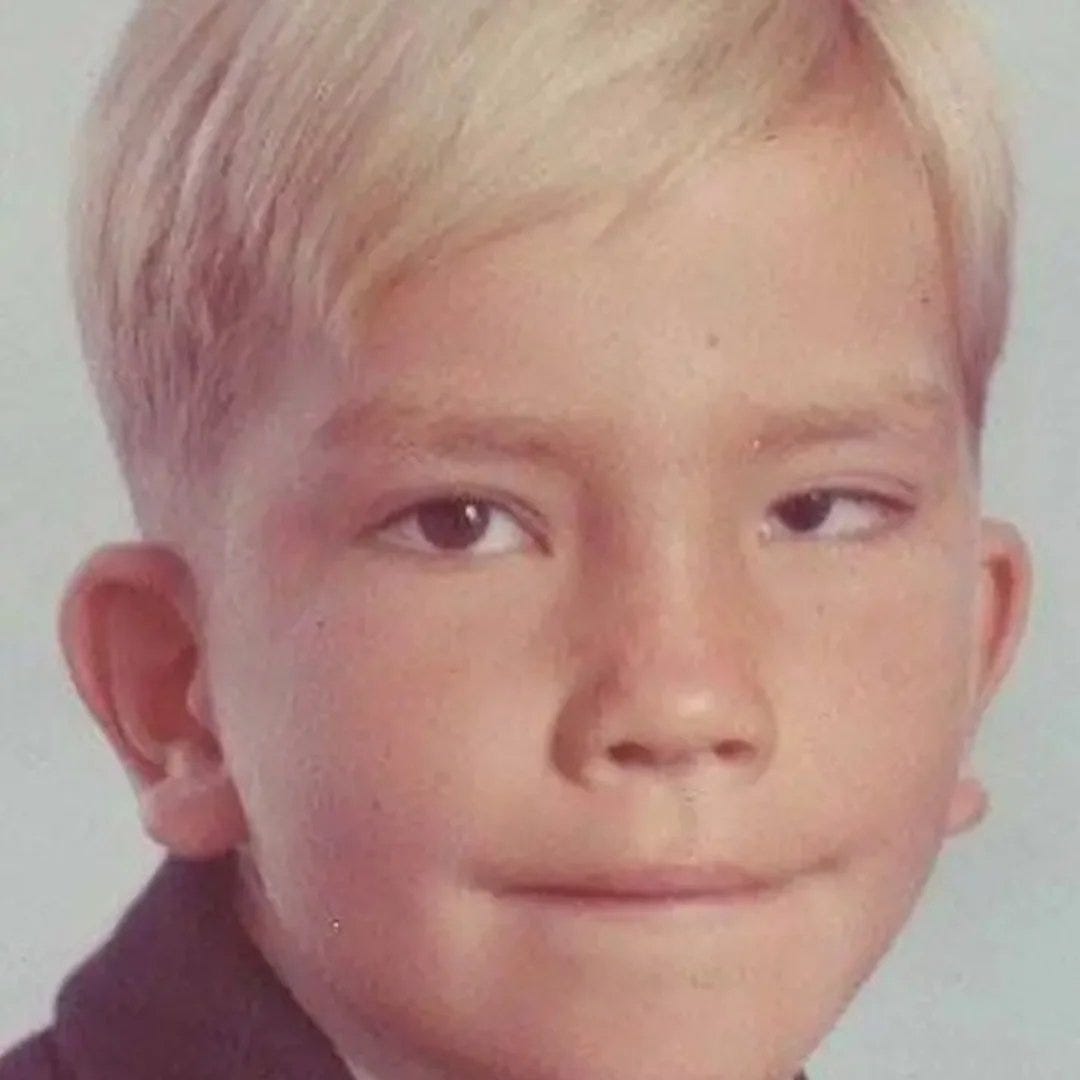
On my very first day of school, I learned something shocking: my name wasn’t BB, as I’d always thought. It was Ronald. Imagine the confusion of a six-year-old, striding into school thinking he’s one person, only to be told he’s someone else entirely. That set the tone for the wild ride that was primary school.

Our Class 1 teacher, Miss Hopkins, was the stuff of legends. She wore mini skirts and was, without question, the hottest teacher I ever had, sorry, Jacqui Badenhorst from Grey, you’re a close second. Miss Hopkins was kind, but I once had a disagreement with her that I couldn’t articulate. Language failed me, so I did what any frustrated kid might: I kicked her. Not my proudest moment, but it’s a memory that sticks.

I taught myself English by devouring books. The school library became my domain, I read it shelf by shelf, book by book, until I’d conquered the lot. When I ran out of library books, I scrounged for anything I could find, from dog-eared paperbacks to whatever was lying around at home. Reading wasn’t just a pastime; it was my window to the world.

Music class, however, was not my forte. In Standard 3, the German music teacher, fed up with me for reasons I still don’t understand, bellowed “Raus!” and kicked me out. I stood outside, bewildered, until the principal, Mr. Garz, spotted me. He’d gone to school with my dad, so instead of a lecture, he took me to his office and dialed my dad on his old Siemens Bakelite phone. Those things were so loud I could hear every word. “Ernie,” he said, “your youngest boy was kicked out of class.” “Which class?” my dad asked. “Music,” said Garz. “Don’t worry,” my dad replied coolly, “call me when it’s Maths or Science.” Garz hung up, looked at me, and said, “Your dad says you don’t need to go to music class.” From then on, during music lessons, I’d climb trees instead, my own personal rebellion against rhythm and melody.

One of my favorite memories is building a robot with my friend Derek for a school project. We rigged it up with flashlights and walkie-talkies for control, feeling like mad scientists. Derek, ever the dreamer, fancied himself a spoon-bender like Uri Geller, though I don’t recall him bending much of anything.

Rugby was another adventure. I played as a loose forward, but our team got absolutely klapped by the city schools. The scores were so lopsided they were downright embarrassing, but we kept at it, dirt on our faces and pride in our hearts.

Behind the town hall, I had my first brushes with romance, kissing two girls, Rene and Louis. Those moments felt daring and monumental at the time, though I suspect they were more innocent than my memory makes them out to be.

My best mates were Kim and Karen, with Ivan and Gavin close behind. We were a tight crew, navigating the chaos of school life together. I’d pile into a yellow VW Kombi to get to school with my family and the neighbours, the Seeles, me crammed in the “dog box” at the back with my brown suitcase, a flimsy thing made of hardened cardboard with a lock that broke if you looked at it wrong. Eventually, I upgraded to a canvas rucksack, which felt like a major life improvement.

Lunch was always the same: brown bread and jam. I’d eye the town kids’ fancy sandwiches—white bread slathered with peanut butter or Marmite—and occasionally swipe one during break in the quad. It was a small act of defiance against the class divide I sensed even then.

One day, some older English immigrant kids at school tried to bully me. I told my older brother, who rounded up our cousins, and they sorted those yobbos out proper, moered them stukkend, as we’d say. The principal called my dad again, but Dad, known in town as Mastelek for his fearsome reputation, brushed it off. He even threatened to come down and deal with the bullies himself. Garz had a tough time with him.

Those years at Wartburg-Kirchdorf were a mix of mischief, discovery, and small-town grit. From learning my real name to dodging music class in favor of tree-climbing, from robot-building to rugby defeats, those days shaped me in ways I’m still unpacking. They were raw, real, and utterly unforgettable.

The Projector Days at Primary School

Growing up, I was lucky to get a hands-on education in some unexpected skills, one of which was mastering the art of the film projector. My parents’ friend Harry, a wizard with woodworking tools and a knack for all things mechanical, used to visit our farm with his trusty projector in tow. He’d set it up in our dining room, and we’d transform the blank wall into a flickering cinema screen, watching old movies under his patient guidance. Harry taught me how to thread the film, adjust the focus, and keep the reels spinning smoothly, a skill that, unbeknownst to me, would soon make me a minor legend at school.

Our primary school was a modest affair, a cluster of dated asbestos buildings huddled around a brick classroom block that formed a quad at the heart of it all. The classrooms were functional, a bit weathered, but they held a certain charm. The real magic, though, happened when the projector came out. I don’t know how it happened, but word got around that I knew my way around the machine, and before long, I was the designated “projector nerd.” Whenever a teacher wanted to show a film, I’d be summoned to set up the clunky old beast, threading the film with a mix of pride and nerves, hoping it wouldn’t jam mid-reel.

We watched a lot of nature films, grainy documentaries about African wildlife or deep-sea creatures that captivated us with their otherworldly strangeness. I can still hear the whir of the projector and the collective gasps of my classmates as a lion took down a gazelle or a whale breached the ocean’s surface. One standout memory was watching sports highlights, particularly the grainy footage of Gareth Edwards’ legendary try for the Barbarians against the All Blacks in 1973. The quad echoed with cheers as we relived that moment of rugby brilliance, even if most of us barely understood the game.

There were less thrilling moments, too. Someone, probably an overambitious English teacher, thought it’d be a grand idea to show us Shakespeare adaptations. Those were met with stifled yawns and restless fidgeting. The Bard’s words might have soared on stage, but on a flickering projector screen in a stuffy classroom, they bored the hell out of everyone. Still, there was something special about those days, the ritual of dimming the lights, the clatter of the projector, and the way we’d all gather in that asbestos-lined room, transported, however briefly, to another world.

Ronald Bartels | LinkedIn | Instagram


Significant Havoc In Technology does happen!

In my years managing network infrastructure, I’ve seen outages caused by everything from human error to nature’s wrath. Each incident was a puzzle, often with a solution as bizarre as the problem itself.

At WBS, we had a microwave link that kept dropping, leaving everyone stumped for weeks. Engineers scratched their heads, pointing fingers at equipment configs and signal interference. Then, one day, someone noticed a massive crane on the neighboring construction site. Its loaded bucket swung directly into the line of sight (LOS) of our link every time it rotated. A classic case of “moerse” machinery reminding us to check the physical layer first.

Another time, we had intermittent failures at a high site. The IP Core team blamed the radio crew, and the radio crew fired back. Frustrated, I sent one of my guys out to investigate—genchi genbutsu, go and see for yourself. What he found was a new, hulking generator installed by the property owner. Its exhaust pipe was dumping burnt diesel fumes straight into the air inlet of our equipment container. The inside was coated in a grimy layer of soot, frying our gear intermittently. We had to pull everything out, clean it, and relocate the air intake to stop the madness.

Then there was the MTN Gallo Manor data centre fiasco. The whole network went dark one day, and we scrambled to figure out why. We had redundancy with cabinets at Teraco, but our DNS guy had fibbed about having dual servers. In a pinch, we pointed everything to Google’s 8.8.8.8, and, as they say, Bob’s your uncle—back online. The root cause? ICASA, armed with a court order to remove an unlicensed radio, mistakenly yanked our fibre switch instead. The data centre manager was utterly useless, letting ICASA run rampant without question. He even tried to block us from accessing our own racks. Total chop. We didn’t stick around—moved everything to a new facility in Midrand.

Perhaps the wildest incident was at the Toyota factory in Durban. The network kept failing, and no one could pinpoint why. I went down to check it out and found the culprit: pigeons. Their acidic droppings had eaten through the roof of the network rack, seeping onto the switches below. The corrosion was wreaking havoc. Who knew pigeon poop could take down a network?

These outages taught me one thing: never underestimate the chaos of the real world. From cranes to exhaust fumes to rogue regulators and pigeon poop, the network game keeps you humble.

The Wild Days at MTN Gallo Manor Data Centre

The MTN Gallo Manor data centre was a beast of its own kind, a place where chaos and ingenuity danced a gritty tango. It was supposed to be a fortress of technology, a humming hub of connectivity, but more often than not, it felt like a house of cards teetering on the edge of collapse. Outages were as common as morning coffee, and the whole operation seemed to limp along on hope and duct tape.

The guy in charge—let’s just say competence wasn’t his strong suit. He’d strut around with a clipboard and a scowl, but when the chips were down, he was about as useful as a screen door on a submarine. The real trouble, though, was the infrastructure. Power continuity was a pipe dream. When Eskom’s grid inevitably flickered out, we’d all hold our breath, waiting for the backup generators to roar to life. Too often, they didn’t. Those big diesel beasts, meant to save the day, would sit silent, leaving the entire data centre plunged into darkness. Servers whined to a halt, and we’d be left scrambling in the gloom, cursing under our breath.

Then there were the water chillers. Poorly installed and barely maintained, they were a disaster waiting to happen. They’d overload circuits like clockwork, tripping distribution boards and sending us into another round of firefighting. It was as if the whole setup was conspiring against us, daring us to keep the lights on.

But we weren’t the type to roll over. When the data centre failed us, we took matters into our own hands. We became the data centre cowboys, riding in with our own solutions. Picture this: flatbed trucks rolling up with portable generators, their engines growling where the centre’s diesels wouldn’t. We’d snake power cables through emergency exits, rigging up our critical equipment to keep the show running. It was messy, it was unorthodox, but it worked. We’d huddle in the server room, the hum of our makeshift power supply drowning out the silence of the failed systems, and we’d grin like outlaws who’d just pulled off a heist.

Those days at Gallo Manor were a trial by fire. The place was a mess, but it taught us resilience, improvisation, and a certain stubborn pride. We kept the data flowing, not because the systems were sound, but because we refused to let them win. We were the cowboys of the data centre, and in that chaotic, flickering world, we carved out our own legend.

When Water Waged War on Our Networks

In the high-stakes world of telecommunications and IT, network outages are the stuff of nightmares—those invisible gremlins that can bring entire operations to a screeching halt. Over my career, I’ve battled my fair share of them, from rogue software bugs to power failures, but none were quite as dramatic (or soggy) as the times when Mother Nature, or rather faulty plumbing, decided to turn our workplaces into impromptu aquariums. These floods didn’t just soak the floors; they drowned our networks, forcing us to improvise, adapt, and ultimately rebuild. Two incidents stand out vividly in my memory, both involving burst water systems that turned the office space into watery wastelands.

The first deluge hit while I was at Datavia in Braamfontein, Johannesburg. It was a late-night grind; I was deep into coding my branch line management information program, tweaking algorithms under the hum of fluorescent lights. Around midnight, I heard it—a persistent rushing sound, like a heavy downpour. Assuming it was just another stormy evening in the city, I ignored it at first, focused on my screen. But the noise didn’t let up. Curiosity finally pulled me from my desk to the window, where I peered out expecting sheets of rain. Nothing. The streets were dry and there was no rain. Puzzled, I ventured out of our office area toward the lifts, only to be met by a surreal sight: water gushing from the ceiling like a broken fire sprinkler on steroids.

I hurried down the stairs, my shoes squelching on increasingly wet steps, and emerged into the foyer, which had transformed into a veritable swimming pool. Water lapped at the reception desk, papers floating like lily pads. Outside, the security team stood helplessly, watching the chaos. “A pipe burst upstairs,” one explained, phone in hand. “We’re calling a plumber.” I couldn’t believe it. “Why not just shut off the main water supply?” I asked, incredulous. They shrugged—nobody knew where the shutoff valve was. With the building flooding and no immediate fix in sight, I decided it was time to call it a night. I waded to my car, drove home, and collapsed into bed, leaving the mess behind.

The aftermath was a week-long ordeal. The water had seeped into everything: walls, floors, and crucially, our communications equipment. Servers shorted out, cables corroded, and the network went dark. We spent days drying out the space, replacing soaked hardware, and rerouting connections. It was a stark reminder of how vulnerable our digital lifelines are to the physical world—one burst pipe, and poof, connectivity vanished. But we emerged stronger, with better backups and a newfound appreciation for building maintenance manuals.

Not long after, fate decided to test my flood-resilience again at iBurst. I arrived at the office one crisp morning, coffee in hand, ready to dive into the day’s tasks. But as I pushed open the door, I was greeted by pandemonium: ceiling boards lay in sodden heaps on desks, papers plastered to surfaces like wet confetti, and puddles everywhere. It looked like a bomb had gone off—if the bomb was made of water. Turns out, the holding pool on the roof had ruptured overnight, sending a tsunami cascading through the building. The deluge had short-circuited the electrical systems, tripping the power and plunging us into darkness amid the damp.

We scrambled into action. The power was restored after a few tense hours of electricians poking at fuses and drying out panels, but the network outage lingered as we assessed the damage to routers and switches. For weeks, we worked under an open sky of exposed beams and wiring, no ceiling boards to shield us from the fluorescent glare or the occasional drip from lingering moisture. It was makeshift office life at its finest—desks relocated & fans blasting to dry things out. Yet, in that stripped-down environment, creativity flourished; we bonded over the absurdity, turning potential disaster into a story of resilience. The full repairs took time, but the experience hammered home a key lesson: in tech, as in life, adaptability is your best defense against the unexpected.

These watery woes were more than mere inconveniences; they were humbling encounters with chaos, underscoring how interconnected our digital and physical worlds truly are. In the end, they didn’t just disrupt networks, they rebuilt my perspective on preparedness, one soggy step at a time.

Ronald Bartels | LinkedIn | Instagram