🪽From Dusty Farmhouse Sentinel to Sacred Navajo Wraps
My cowboy blanket
I’ve always harboured a deep fascination with the Navajo people, a reverence that borders on the spiritual. Growing up in the vast, sun-baked landscapes of South Africa, I found myself drawn to stories of indigenous cultures across the world, but none captivated me quite like the Navajo. It must have been all those cowboy movies and series we saw on our Telefunken. Their resilience in the face of adversity, their profound connection to the land, and their artistry in weaving—particularly their blankets—spoke to something deep within me. These weren’t mere fabrics; they were tapestries of life, woven with prayers, histories, and the threads of survival. I read voraciously about their traditions, how each blanket carried the weaver’s spirit, a protective shield against the harshness of the desert nights. Over time, I assimilated this reverence into my own life, treating certain objects not as possessions, but as companions infused with memory and comfort. And nowhere is this more evident than in my relationship with blankets.
Let me explain through a personal ritual that has become as essential to me as breathing. I own a camping bed of the stretcher variety—simple, sturdy, the kind that elevates you just enough off the ground to feel connected to the earth without its discomforts. It’s not luxurious by any stretch, but sleeping on it brings a peace that’s almost transcendent. Even when I’m home, surrounded by the trappings of modern comfort, I sometimes haul it out from storage, set it up in a quiet corner, and surrender to its embrace. It’s as if the taut canvas whispers secrets of open skies and forgotten adventures.
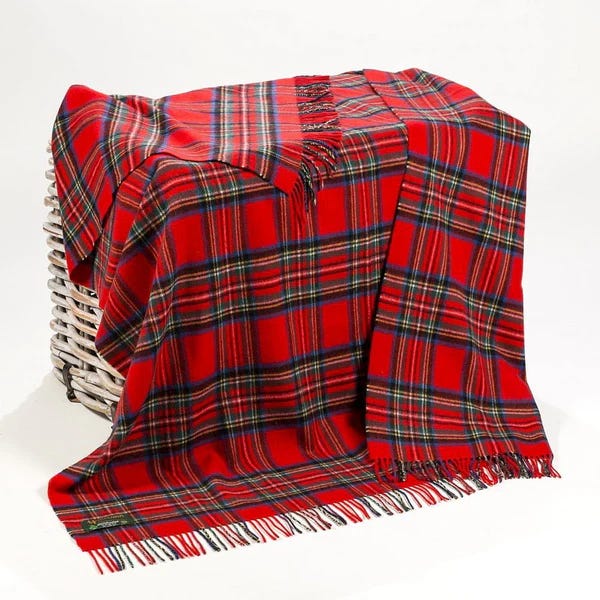
Central to this ritual is what I affectionately call my “cowboy blanket.” It’s a thick, woolly thing, woven in a bold red plaid pattern that evokes the rugged frontiers of old Western tales—though, in truth, it’s more akin to the enduring warmth of a wood fire. This blanket is identical to the one I cherished as a young boy on Oakvilla farm, where the days stretched long and the nights were alive with the symphony of and the waves of the veld. Back then, I’d burrow under its weight, feeling utterly secure. Outside my window stood a sentinel of nature: a massive Wild Fig tree, its branches sprawling like ancient arms. Perched in its canopy was a Hamerkop’s nest, an enormous, haphazard fortress built twig by twig with unyielding determination. I’d lie there, staring out at that bird’s relentless labor, admiring its grit—the way it defied storms and predators to create a home. In that bed, under that blanket, in that old farmhouse, I have no memory of anything but pleasant, comforting sleep. No nightmares intruded; no restlessness stirred. It was a sanctuary woven from wool and wonder.
Recently, though, I loaned out one of my two beds along with that beloved cowboy blanket to a friend in need. A kind gesture, I thought, but one that left a void I hadn’t anticipated. Try as I might, no substitute blanket could recapture that elusive peace. I’ve cycled through softer ones, lighter ones, even those with modern synthetic fills promising ergonomic bliss, but nothing works. The nights feel incomplete, the sleep shallow and fleeting. It’s the missing blanket that’s to blame, that red plaid guardian of my repose. So today, I’m setting out on a quest to find a duplicate, scouring markets and shops for something that matches not just the pattern, but the soul it embodies. Perhaps I’ll stumble upon one that feels just right, heavy with promise.
In weaving this tale of my blanket and my stretcher bed, I see the threads intertwining with the Navajo’s profound reverence for their own woven masterpieces. Just as their blankets are more than coverings—they are heirlooms passed down through generations, imbued with stories of endurance, protection, and cultural identity, my cowboy blanket has become a vessel for my own history. It carries the echoes of Oakvilla farm, the watchful Hamerkop, and the boy who found solace under its folds. The Navajo teach us that such items are sacred, not for their material worth, but for the comfort and continuity they provide in an unpredictable world. In adopting this mindset, I’ve transformed a simple woolen throw into a talisman, much like their rugs that ward off the chill of both body and spirit. It’s a quiet assimilation, a bridge across cultures, reminding me that true reverence lies in the stories we wrap around ourselves.