🔨Hammerkop & me
How a nest in a Wild Fig revealed my Navajo soul
In a previous lifetime, I am certain I walked the red earth of the ancient Americas as a Navajo, Diné, as they are also known. The pull is too deep, too instinctive, to be mere coincidence. Their world is woven from the same threads that bind me: a reverence for the living land and every creature that moves upon it. To the Navajo, animals are not lesser beings but relatives, teachers, and guardians. They appear in creation stories as the first beings who helped shape the world, each carrying sacred power. Clans trace their lineage to specific animals, Bear, Wolf, Eagle, and individuals are guided by personal spirit animals, or totems, that reveal themselves through dreams, visions, or the quiet language of the landscape and wild. These spirits lend their qualities: the cunning of the fox, the endurance of the tortoise, the soaring vision of the hawk. They protect, instruct, and remind us that we are never alone in the great web of life.
My own affinity for spirit animals have always been the small ones, the overlooked architects and quiet survivors of the African bush. The platanna frog, that ancient, clawed swimmer lurking in the mud; the sunbirds, flashing like living jewels as they hover at Leonorus in the first light; the songololos, those patient, armoured millipedes rolling the earth into their slow, deliberate journeys; the leguaan, sleek and watchful, slipping through the reeds with prehistoric grace; and, standing sentinel over them all, the Martial Eagle, that vast shadow wheeling high above, a reminder that even the small world needs its fierce protector.
But the one that claims me most completely is the Hammerkop.
The Hammerkop, Scopus umbretta, the “hammerhead”, is a peculiar bird of the African wetlands, a medium-sized wader with a crest that gives its head the blunt, determined shape of a mallet. Its plumage is a modest brown, its legs long and sturdy for wading, its call a haunting, far-carrying krooo-krooo that seems to echo from another time. What sets it apart, what makes it my spirit kin, is its obsession with creation. No other bird builds like the Hammerkop. It constructs the largest roofed nests in the avian world, monstrous, domed fortresses of sticks, reeds, and mud that can weigh hundreds of kilograms and span two metres across. They rise like organic skyscrapers in the forks of trees, often over water, plastered smooth inside and out, with a narrow tunnel entrance leading to a hidden chamber lined with soft grasses. A pair will labour for weeks, or months, gathering thousands upon thousands of sticks, adding bones, old tyres, anything that fits their vision. They build continuously, whether breeding or not, as if the act of building itself is the purpose. Determination personified. A testament to persistence in a world that often rewards the fleeting.
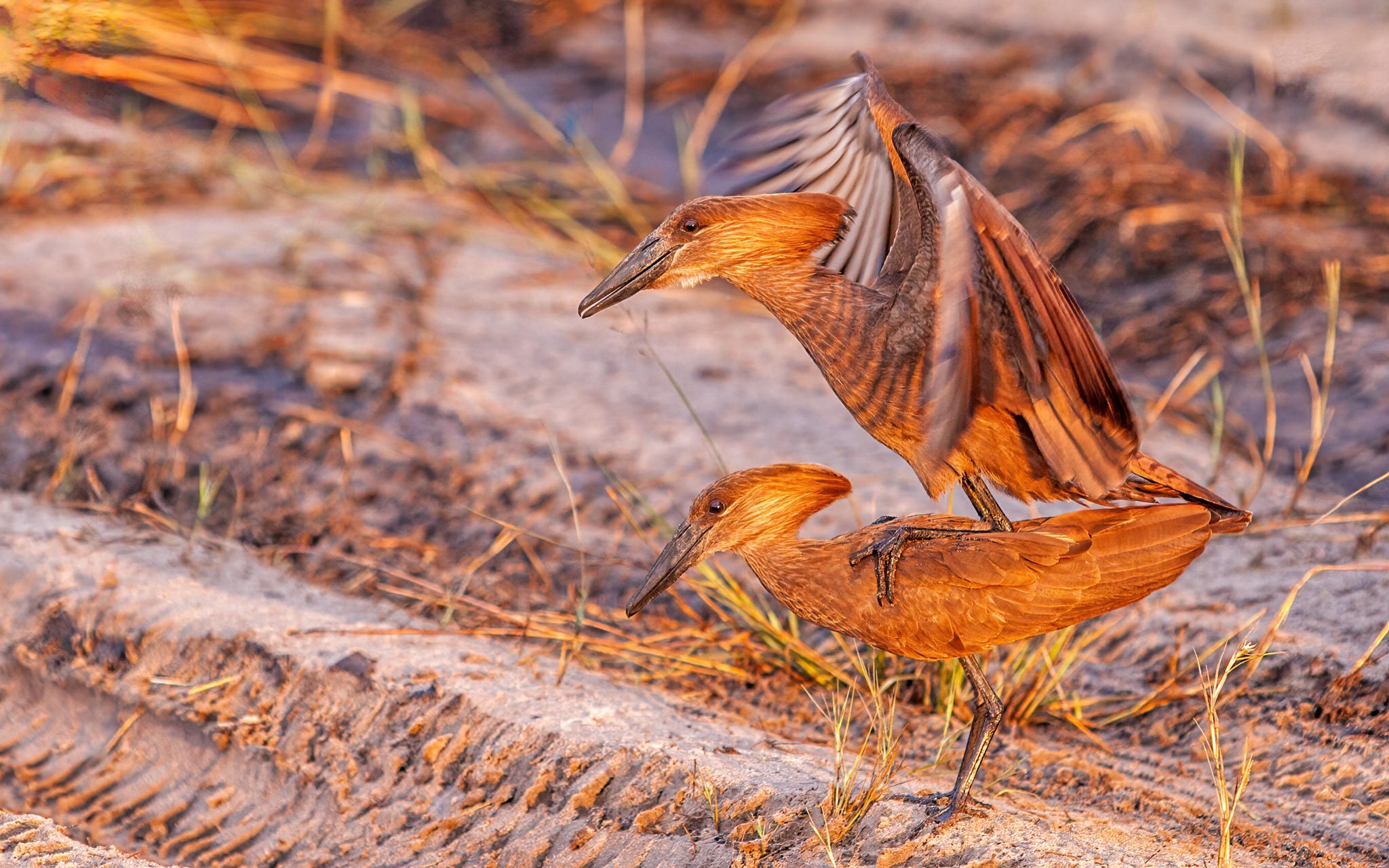
This is an unusual looking bird, just like I’m an unusual looking human. They perform elaborate displays as a form of attraction, including wing flapping, head bobbing, and aerial displays. They may also engage in false mounting where they hop on each other's backs without mating.
I know this bird because it chose me first, long before I understood what a spirit animal was.
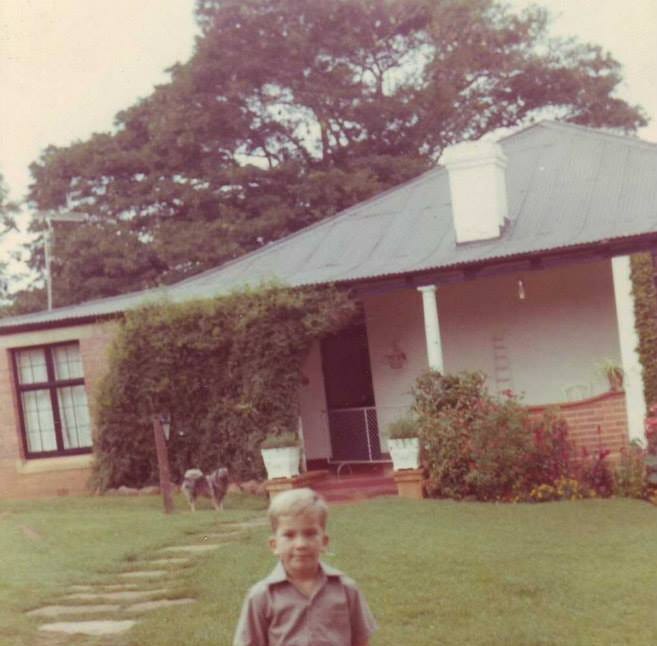
On Oakvilla Farm, in the bedroom where I slept as a boy beneath my cowboy blanket, the Wild Fig tree pressed its ancient branches right against the window. Its leaves whispered against the glass at night, and in its high fork, almost within arm’s reach, stood the Hammerkop’s masterpiece. A colossal apartment block of a nest, weathered and magnificent, home not only to the pair but to a teeming colony of weaver bird neighbours that chattered and flashed yellow in the mornings. Hundreds of them. The tree was a living city. When the female weavers rejected a nest, too small, too flawed, or simply outgrown, my mother would find the delicate, woven globes lying in the grass beneath. She collected them like treasures, stacking them in a great, fragrant pile on the white metal table on the stoep. I would sit there for hours, running my fingers over the intricate grasswork, imagining the patient beaks that had shaped each one.
That nest, and the bird that built it, became part of my bones. I would wake to the Hammerkop’s call, watch it ferry yet another stick across the sky, and feel something ancient stir in me. Here was a creature that did not merely exist, it engineered. It committed. It turned mud and twigs into something enduring, something that outlasted seasons and storms and even, sometimes, the birds themselves. Other creatures—owls, snakes, even the occasional human, would move into those abandoned mansions. The Hammerkop built not just for itself, but for the whole community of the wild.
Even now, decades later, if I round a bend in the road and see a wild fig tree rising against the sky, my heart catches. I scan the branches instinctively, hoping for that unmistakable silhouette, that massive, ragged palace of sticks. I never find it but I feel the old longing rise. It is the call of my spirit animal, reminding me who I was, who I am, and what I am still called to build: something solid, something shared, something that stands long after the builder has moved on. In this life, as in the last, I remain a creature of the small wonders, forever in the shadow of the Hammerkop.