Reaching for the Sky
Redefining disabled
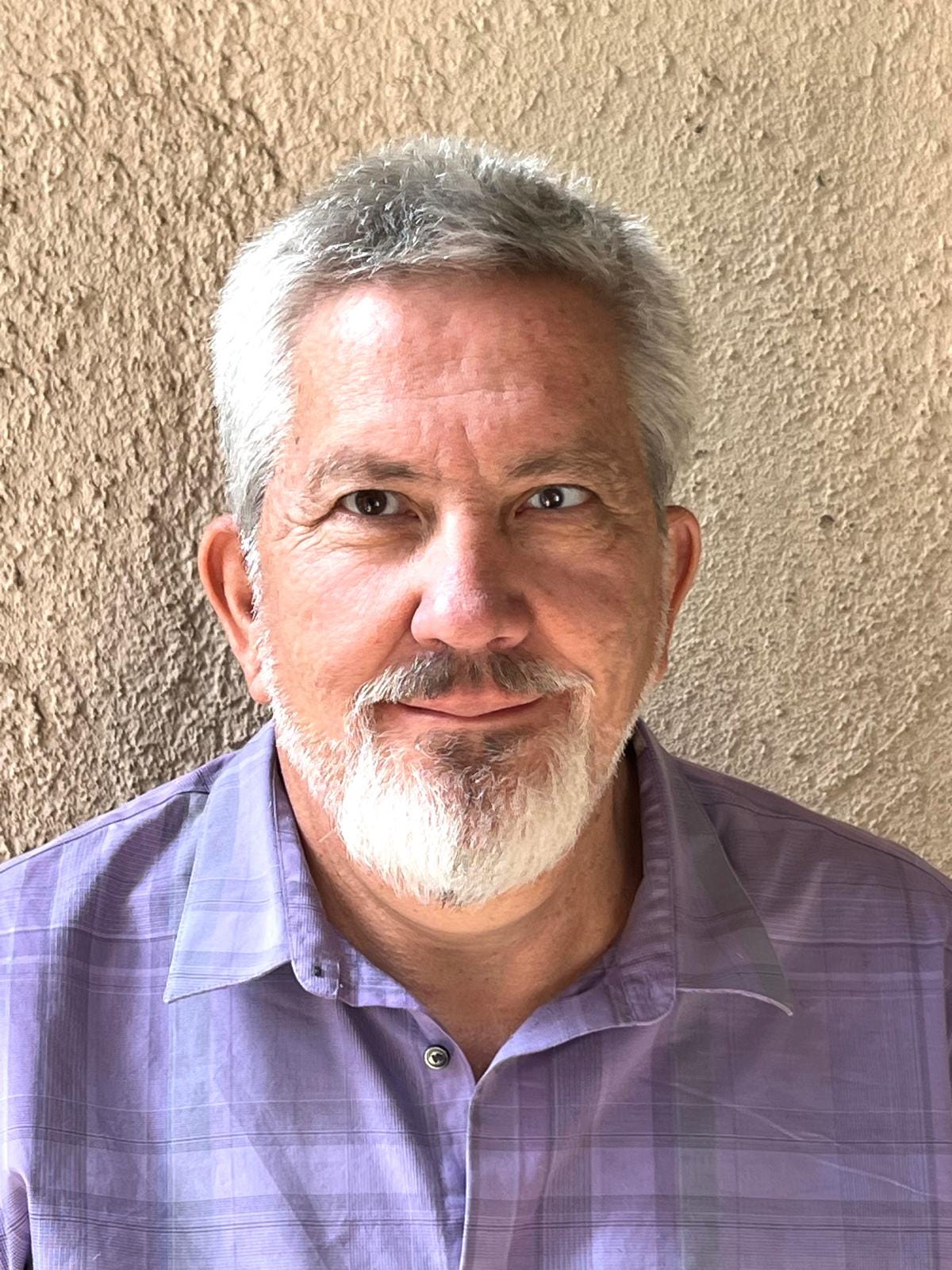
The world is obsessed with labels, and few words carry as much unintended weight as “disabled.” It’s a term that’s thrown around casually in medical forms, policy discussions, and everyday conversations, but what does it really mean? At its root, “disabled” suggests a fundamental lack, incapability, brokenness, or deficiency. It paints a picture of someone who is inherently less than whole, forcing them into a perpetual battle to prove their worth against the so-called “able-bodied” norm. But here’s the truth: no one is truly “disabled” in the way this word implies. We’re all navigating life’s challenges, and physical or cognitive differences don’t equate to incapacity. Instead, they often forge extraordinary resilience, creativity, and strength.
Think about it: every day, we all have to prove ourselves. The entrepreneur pitching their startup, the artist unveiling their work, the parent juggling chaos, none of us get a free pass. Why, then, do we burden some with a label that screams limitation from the start? It’s time to retire “disabled” and embrace a narrative of human potential. Let’s look at some real-life heroes who shatter this myth, proving that what society calls a “disability” is often just a different path to greatness.
Stephen Hawking | The Mind That Defied Gravity
Take Stephen Hawking, the brilliant physicist whose name is synonymous with black holes, the Big Bang, and the very fabric of the universe. Diagnosed with ALS as a young adult, Hawking gradually lost the use of his limbs and voice, relying on a wheelchair and a speech synthesizer. Yet, did this make him “disabled”? Far from it. He authored A Brief History of Time, a bestseller that made complex cosmology accessible to millions. He held the Lucasian Professorship at Cambridge, the same chair once occupied by Isaac Newton. Hawking’s intellect soared beyond physical constraints, challenging our understanding of time and space. He once quipped, “My goal is simple. It is a complete understanding of the universe, why it is as it is and why it exists at all.” If that’s “disabled,” then sign me up for the club. Hawking wasn’t limited; he was liberated by a mind that refused to be confined.
Lord Nelson | Victory on the High Seas, One Arm at a Time
History is rife with examples, and few are as swashbuckling as Admiral Horatio Nelson. The British naval hero lost sight in one eye during the Siege of Calvi and had his right arm amputated after the Battle of Santa Cruz de Tenerife. Battle-scarred and physically altered, Nelson could have retired to a quiet life. Instead, he led the Royal Navy to decisive victories, most famously at the Battle of Trafalgar, where he crushed Napoleon’s fleet and secured Britain’s dominance at sea. Nelson’s famous signal, “England expects that every man will do his duty,” wasn’t uttered from a place of pity or concession, it was a rallying cry from a leader who embodied unyielding determination. His “disabilities” didn’t hinder him; they became part of his legend, proving that true capability lies in strategy, courage, and will.
Douglas Bader | Reaching for the Sky, Legs or No Legs
One story that hits particularly close to home for me is that of Douglas Bader, the RAF fighter pilot whose biography, Reach for the Sky, I’ve devoured multiple times. Bader lost both legs in a flying accident. Doctors said he’d never walk again, let alone fly. But Bader, with his trademark grit, fitted himself with prosthetic legs and badgered his way back into the cockpit. By World War II, he was commanding squadrons in the Battle of Britain, piloting Spitfires with acrobatic flair and racking up multiple aerial victories. Captured by the Germans after being shot down, he even attempted multiple escapes from POW camps, once famously trying to climb out using his artificial legs as leverage. Bader’s life screams defiance: “No matter what, you can achieve.” As a Spitfire ace, he wasn’t just participating; he was excelling in one of the most demanding arenas imaginable. Fuck yeah, indeed—that’s the spirit that turns obstacles into fuel.
These aren’t isolated cases. The list of such trailblazers is endless: Frida Kahlo, who channeled chronic pain into revolutionary art; Beethoven, composing symphonies while deaf; or modern icons like Paralympic athletes who redefine speed and strength. What unites them isn’t a shared “disability”, it’s an unwavering refusal to let circumstances define their narrative.
The Personal Lens | One Eye, Infinite Perspectives
On a more personal note, living with one eye changes things. Depth perception shifts, your brain rewires to adapt, and everyday tasks like driving or catching a ball require a bit more finesse. But at its core, it’s not a deficit, it’s a distinction. It makes you rare, forcing a unique way of seeing the world (pun intended). You notice details others miss, anticipate movements differently, and build resilience that “two-eyed” folks might never need. It’s a reminder that differences aren’t disabilities; they’re superpowers in disguise. Society’s labels try to box us in, but embracing our uniqueness unlocks potential we didn’t know we had.
Redefine
Disabled is a word that creates barriers where none need exist, fostering pity instead of empowerment. Instead, celebrate the human spirit’s adaptability. Whether you’re Hawking unraveling the cosmos, Nelson commanding fleets, or Bader soaring through dogfights, the message is clear: capability isn’t about perfect bodies—it’s about unbreakable minds and hearts.