🥔Red Soil is the True Internet
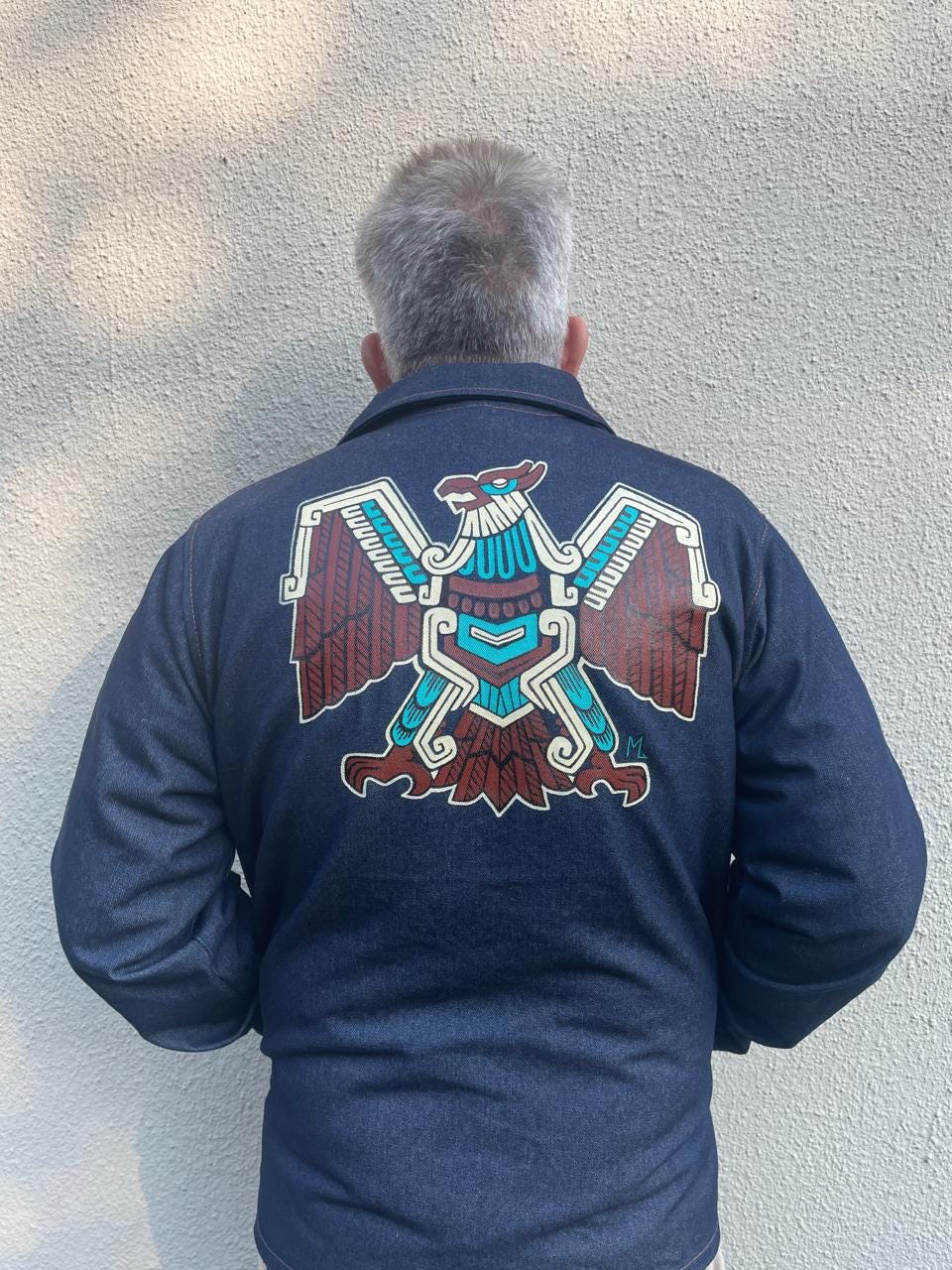
One of my previous lifetimes was amongst the Navajo
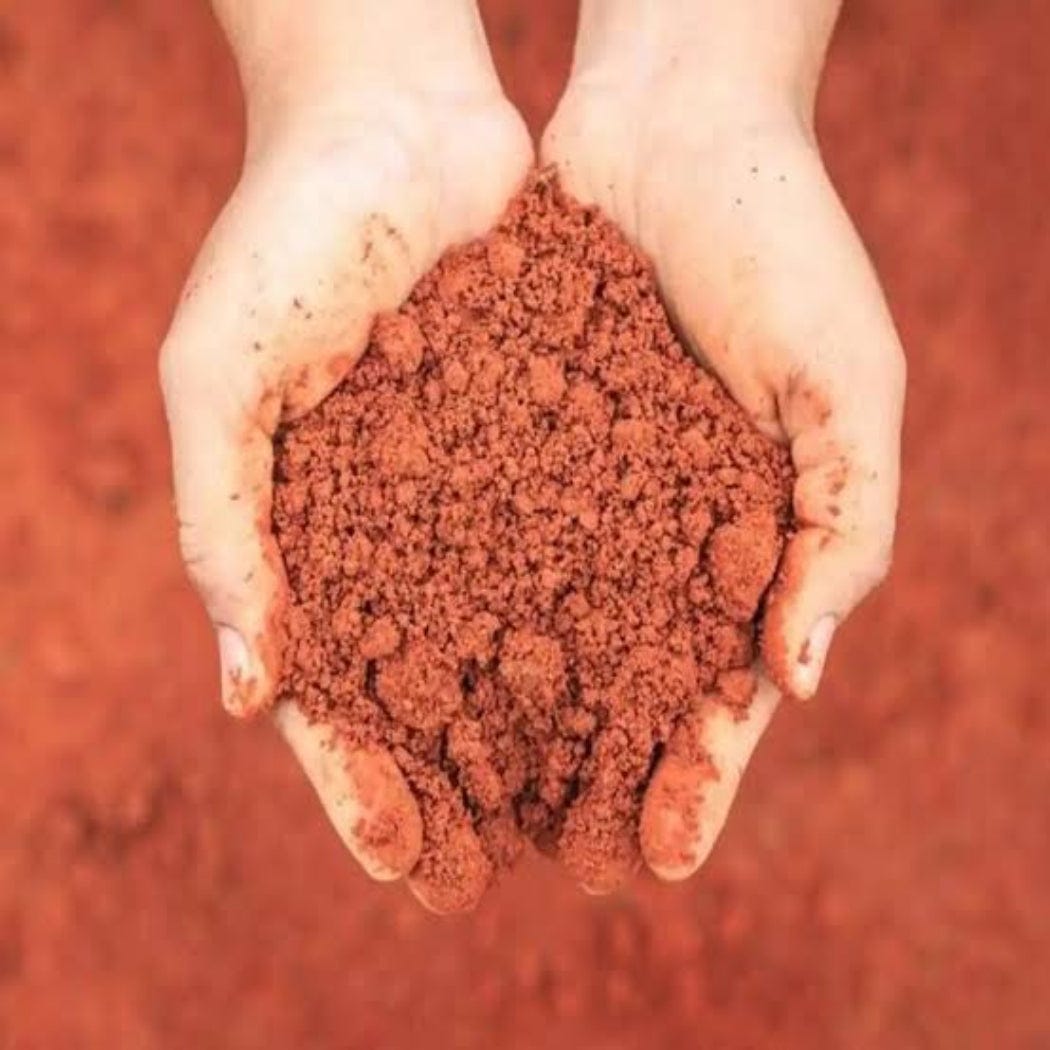
I often find myself wandering through dreams laced with the deep, rusty hues of red soil, a landscape that feels both foreign and intimately familiar, like a memory etched into my bones from another lifetime. One night, not long ago, I was lost in such a vision, the earth beneath my feet was alive, pulsing with stories unspoken, the kind of red soil that clings to your skin and whispers secrets of endurance and survival. It stretched out endlessly, dotted with resilient plants pushing through the arid crust, and I felt a profound pull, as if I belonged there. But then, reality intruded: my son shook me awake, his voice urgent in the dim Johannesburg dawn. “Dad, the internet’s down.” Groggy, I stumbled to my home office, firing up the RAG dashboard; Red, Amber, Green, that monitors our network systems. Everything glowed an ominous red. Dammit. A cascade failure in the switches at the Teraco rack, that hulking data center fortress in Isando, where our digital lifelines converge. Red alerts flashing like warnings from the earth itself, mirroring the soil in my dreams. It took a few minutes to troubleshoot, rerouting traffic and patching the outage, but as I worked, my mind drifted back to that crimson ground, wondering if it was a sign, a reminder that red isn’t just a color of alarm, but of deep-rooted connection. Was red soil the true Internet?
I’ve always had this affinity for red soil, a bond that runs through my family’s veins. Growing up, I watched my dad toil in the fields of Oakvilla farm with its Kroonstad Red soil, named after that Free State town where the earth is a vibrant ochre, rich and forgiving under the African sun. He’d plant potatoes, burying them in the red loam like treasures, coaxing life from the ground with calloused hands and quiet determination. Those potatoes were more than food; they were sustenance for the soul, hearty and unpretentious, much like him. I’d help dig them up, the soil staining my fingers, and we’d boil them simply, savoring their earthy flavor. That red soil nourished us, bound us to the land, and even now, in my urban life far from those fields, I crave potatoes, the ultimate comfort, fried crisp or mashed smooth, a staple I’ve never outgrown.
But lately, these dreams have woven in threads from farther afield, pulling me toward the Navajo people and their sacred ties to red soil. In Navajo culture, the red earth of there world, those vast mesas, canyons, and plateaus in the Four Corners region, is more than mere dirt; it’s the very essence of their homeland, a living entity infused with spiritual significance. The Navajo, or Diné as they call themselves, see the land as a relative, groaning under the weight of history and change, its red rocks and sagebrush crying out in times of drought or erosion. They gather red ochre from this soil for ceremonies, using it as paint or in rituals to honor the Holy People, the deities who shaped their world. It’s woven into their creation stories, where the earth is consecrated with the blood and bones of ancestors, a fingerprint of the past that demands respect. Artists like Wendy Red Star capture this in sculptures that declare the soil as sacred, not ordinary, but the dust of those who fought and bled to protect it. Conservation efforts on the Navajo Nation focus on restoring this parched red land, building natural infrastructure to heal dry streams and combat climate change, all while honoring traditional ways. The red soil symbolizes resilience, a canvas for life in an arid world where water is scarce and every plant, every drop, is a gift.
And then there’s the potatoes, oh, how they bridge my worlds. The Navajo have a profound association with them, one that stretches back not eons in the cosmic sense, but millennia in human time. Archaeological evidence shows they’ve used a native wild species, the Four Corners potato or Solanum jamesii, for at least 11,000 years. This tiny, speckled tuber, hardy, drought-resistant, and packed with nutrition far surpassing modern varieties, was carried along ancient trade routes by Indigenous peoples, including the Diné’s ancestors. Starch residues on stone tools from sites like Escalante Valley tell of its role in diets, ground on manos and metates into sustenance that fueled communities through harsh seasons. It wasn’t just a starvation food; it was cultivated, transported, and integrated into life on the Colorado Plateau. Today, Navajo farmers grow it alongside modern potatoes through initiatives like the Navajo Agricultural Products Industry, which produces tons under the Navajo Pride brand, russets, reds, and organics irrigated from sandy loam at high elevations. Traditional farmers, especially Hopi and Diné, are repatriating this ancient spud, planting it in family gardens as a link to heritage. I’ve read how elders recall scattering tubers during the Long Walk, that brutal forced march in the 1860s, marking paths and ensuring food for return journeys. It’s a symbol of sovereignty, grown in the shadow of sacred mountains like the Ch’óshgai, where modern Diné like Alastair Bitsóí harvest it to nourish body and culture.
In my quieter moments, I entertain the notion that in a past life, I walked those red soils as a Navajo, tending these potatoes under vast skies. It explains the dreams, the pull toward that landscape, the shared love for this humble root. The Four Corners potato, named for the region where Utah, Colorado, Arizona, and New Mexico meet, is a survivor, small but mighty, with tubers that can dorm for years, waiting for rain. It’s been found near ancient sites, evidence of human hands shaping its spread, from Bears Ears to Mesa Verde. Hardy against heat and disease, it’s twice the protein of a red potato, a superfood repatriated to Indigenous farms today.
This all circles back to dear Kathleen (Kath), who once told me she wanted her ashes spread to the Four Corners. I thought she meant scattered across the earth’s far reaches, perhaps a bit in the oceans, the mountains, the grasslands of Dinosaur Earth that we loved. But now, in the wake of these dreams, I see it differently. She meant that sacred juncture, the heart of Navajo land, where red soil holds the ancestors. It’s where the earth is consecrated, alive with history, and perhaps where souls like hers, and mine, find peace in red soil. The red soil calls to me still, in dreams and dashboards alike, a reminder that some connections transcend time, binding us to lands we’ve never walked in this life, but know in our hearts.