Revisiting Marais’ Vision of Termite Superorganisms
Marais’ broader vision of a group soul remains unverified, yet perhaps still tantalizingly plausible
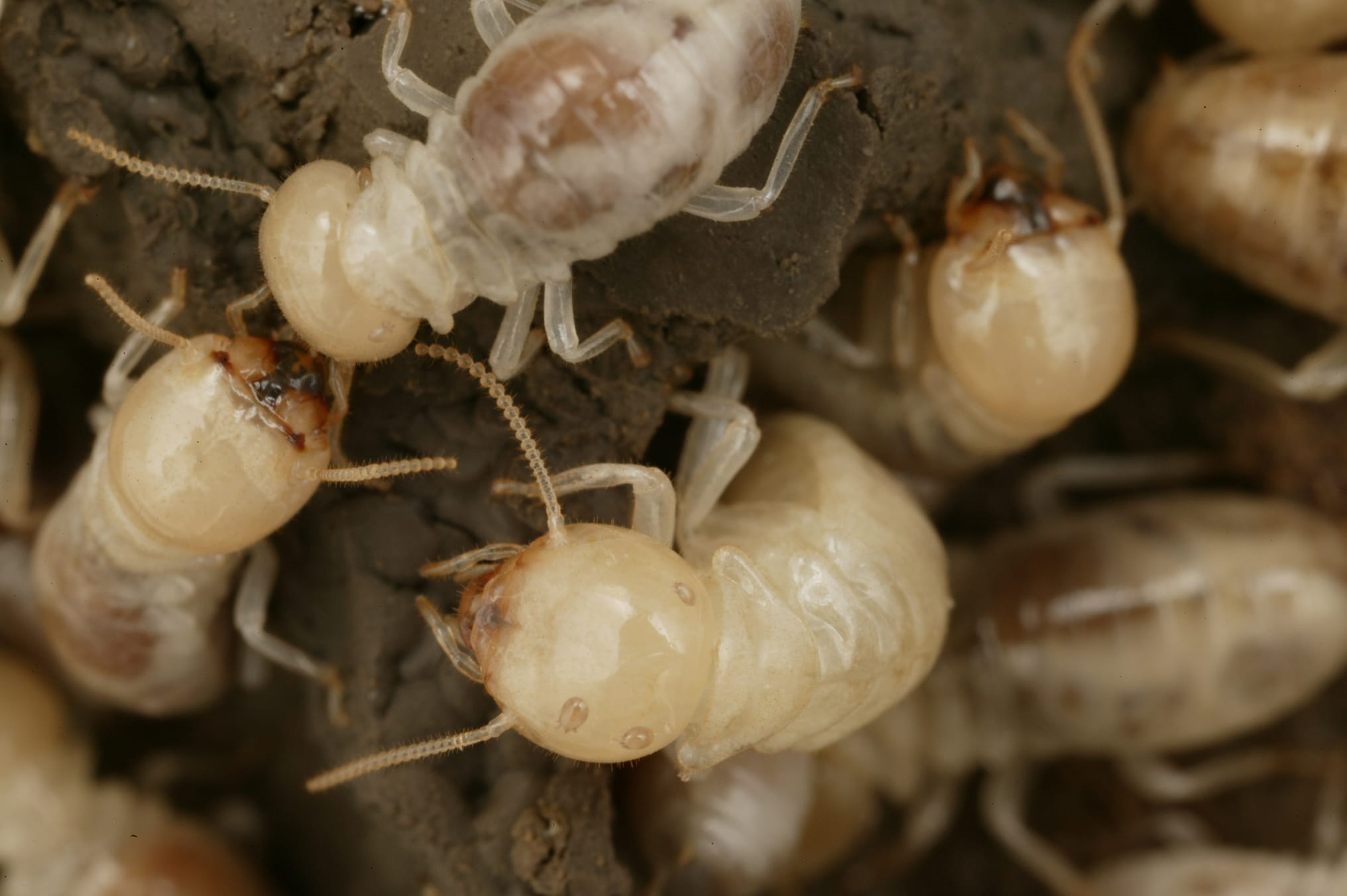
Long before modern science unraveled the intricate symbiosis between fungi and termites, Eugene N. Marais wandered the dusty mounds of South Africa, observing with keen eyes and a poetic mind. In The Soul of the White Ant, he proposed a daring, and some would say mystical idea: a termite colony is more than a collection of insects; it is a single composite organism, a living animal where individual termites are akin to cells, and the mound itself forms the body.
While contemporary research has confirmed the central role of fungi in termite nutrition and colony health, Marais’ broader vision of a group soul remains unverified, yet perhaps still tantalizingly plausible.
Fungus & the Superorganism
Many termite species, particularly the fungus-growing termites that Marais studied, cultivate fungus gardens within their mounds. These gardens are far from decorative; they are the colony’s digestive organs.
Here’s how the process works:
- Worker termites gather plant material (wood, grass, or leaves) and chew it into a pulp.
- This material is inoculated with fungal spores, often from the genus Termitomyces.
- The fungi break down complex cellulose and lignin, substances termites cannot digest efficiently on their own.
- The colony then feeds on the fungal mycelium and the partially digested substrate, a nutrient-rich fungus comb.
In Marais’ metaphor, the fungus gardens are analogous to the stomach, liver, and intestines of a single organism, processing food for all. Workers and soldiers act like blood cells, transporting nutrients and defending the colony. The queen, meanwhile, serves as the brain, orchestrating the colony’s growth and reproduction.
A Group Soul?
Where Marais truly diverged from modern entomology was his speculation about the colony’s collective psyche. He observed how termites meticulously tended their fungus gardens, balancing growth and harvest with remarkable precision. To him, this was evidence of a unifying “soul” that guided the colony beyond instinctual behavior.
Today, scientists describe termite colonies as superorganisms, coordinated through chemical signals, pheromones, and social behaviors—but they stop short of endorsing a literal “soul.” Marais’ vision remains in the realm of philosophy: an early attempt to capture the emergent intelligence and unity of complex life in metaphorical terms.
Insights Ahead of Their Time
Modern research validates the fungus-termite symbiosis Marais described: the intricate balance between fungal cultivation and termite labor is essential for colony survival. Yet, science has not, and perhaps cannot, confirm or refute the existence of a group soul.
Maybe Marais’ insights were not just ahead of his time, they may still be ahead of ours. His work invites us to consider life not only in terms of cells and biochemistry but also in relationships, coordination, and collective intelligence. Even in an age dominated by molecular biology, there is room for wonder at the possibility that life, in its many forms, may have layers we have yet to fully understand.
Final Thought
Whether you take the “soul” metaphor literally or as poetic philosophy, The Soul of the White Ant challenges us to see termite colonies (and perhaps all superorganisms) as more than the sum of their parts. In the silent, bustling chambers of a termite mound, there is a story of cooperation, complexity, and mystery that science continues to explore, and Marais’ vision continues to inspire.