Sit dit af!
Coming of Age Under Apartheid’s Shadow
Looking back growing up in the rolling hills of the Natal Midlands during the 1970s, it’s astonishing how insulated I was from the brutal machinery of apartheid. I grew up in a world of open fields, family farms, and the simple rhythms of rural life—riding my golden Raleigh bicycle for hours, exploring babbling streams and koppies, blissfully unaware that the very landscape I traversed was carved up by invisible lines of race and restriction. Apartheid wasn’t a word that echoed in our dinner table conversations; it was more like a distant hum, something adults navigated without explanation. My parents, like many white South Africans of their generation, shielded us from the ugliness, or perhaps they themselves had normalized it. But cracks inevitably appeared, and my first real brush with the system came on a sunny weekend afternoon in Greytown.
I was on my prized golden Raleigh bicycle—a gleaming symbol of freedom, with its shiny chrome and sturdy frame. Eager to test its limits, I pedaled off toward the edges of town, drawn by curiosity to the black township that lay just beyond the familiar white neighborhoods. The township was a world apart: dusty roads lined with modest homes, children playing in the streets, the air thick with the smells of cooking fires and communal life. I didn’t think twice about cycling through; to me, it was just another adventure. But adventure turned to confusion when a police van screeched to a halt beside me. Two stern-faced cops in dark blue uniforms stepped out, their faces etched with a mix of annoyance and authority.
“Oi, what are you doing here, laatjie?” one barked, his voice sharp as a whip. “This area’s off-limits to whites like you. Get out now.”
They escorted me back to Greytown, their grip firm on me as if I were some wayward skelm. I was shaken, my heart pounding, but more puzzled than scared. Why couldn’t I ride there? What invisible wall had I crossed? That evening, I recounted the story to my grandfather Ludwig, a stoic German whose ancestors had settled in South Africa generations previously, building a life from the soil. He sat in his worn armchair and listened with a furrowed brow.
“Apartheid, junge,” he said slowly, as if weighing each word. “It’s the law. Whites here, blacks there. But...” He trailed off, his eyes distant. We talked in circles—me probing with insistent “why”s, him offering half-answers laced with resignation. It was my first inkling that the world wasn’t as open as my bicycle rides suggested; it was segmented, policed, and profoundly unfair.
A few years later, another layer peeled back during a trip with my father to New Hanover, that sleepy town close to our farm. We were visiting his friend, the local magistrate, a man of influence, with a wood-paneled office that smelled of polished leather and old books. I fidgeted in the corner as my dad leaned over his desk, voice low. “I need a permit,” he explained. “For a church service in Zululand. It’s the centenary of Christophe Bartels founding the mission there, 100 years since he brought the Bible to those parts.”
The magistrate nodded, stamping forms with bureaucratic efficiency. Permits? For church? On the drive home, the sugarcane fields blurring past, I couldn’t hold back. “Dad, why do we need permission to go to church? How is that Christianity?”
He gripped the steering wheel a bit tighter, glancing at me in the rearview mirror. “It’s the Group Areas Act, BB. Whites can’t just wander into native areas without reason. The government controls movement, ”His explanation was patient but laced with a weariness that hinted at deeper doubts. We talked about it: me pushing against the absurdity, and he agreed. That conversation lingered, planting seeds of unease. How could faith, something so universal, be gated by race?
And then there was PW Botha on the television, State President Pieter Willem Botha, with his infamous finger-wagging speeches. “Met sy vinger in die lug,” as we Afrikaners would say, jabbing the air like a weapon. I’d catch glimpses of him during the evening news, his face flushed, railing against communists, terrorists, and the “swart gevaar.” It was ugly, visceral, a man embodying the fortress mentality of white South Africa. His words dripped with defiance, promising reform while clinging to power. To me, he represented everything rigid and unyielding about the world I was inheriting.
During my teenage years at Grey College in Bloemfontein, those seeds of doubt had begun to sprout. Grey had a tradition of both Afrikaans and other European based nations—rugby fields, strict discipline, and a curriculum heavy on history that glossed over inconvenient truths. Heck, I was Afrikaans, German and Scottish. A true brak! A rooinek one. The school library was relatively small, a few dusty shelves that couldn’t satisfy my voracious reading habit. So instead, every Saturday, I’d bolt to the city centre library, a grander affair with towering stacks and endless possibilities. I’d arrive first thing, arms soon laden with books—adventures, histories, philosophies—that would have given PW heart palpitations. I devoured works by banned authors: Nadine Gordimer’s tales of fractured lives, Alan Paton’s cries for justice, even smuggled copies of anti-apartheid tracts by Breyten Breytenbach. Those pages opened windows to the injustices I’d glimpsed but not fully understood.
Outside the library, under the shade of magnificent trees, were benches overlooking the main Calvinist church—a serene spot with its white steeple piercing the blue Free State sky. I’d sit there, lost in my latest find, the world fading away. One Saturday, I noticed a black teenager on the steps nearby, not daring to claim a bench. The signs were unspoken but clear: benches for whites only. He looked about my age, dressed neatly, eyes scanning the library doors expectantly. I watched for a moment, the unfairness gnawing at me. Then, in a small act of rebellion, I gathered my books and joined him on the steps.
We struck up a conversation—awkward at first, bridged by shared youth. His name was Thabo, and he explained that a boy from Grey was inside, borrowing books on his behalf. Blacks weren’t allowed library cards in that whites-only facility. Minutes later, the Grey boy emerged, handing over a stack of novels and schoolbooks. The three of us sat there, mulling over the absurdity: why should knowledge be rationed by skin colour? It was a quiet moment of solidarity, but it ignited something in me—a personal defiance against the system. That was Grey and I could help but be impressed by what my fellow brak had the conviction to do.
The next year, my fellow Greybrak approached me: “It’s my last year; I won’t be here. Will you take my library card and keep loaning books for Thabo?” Without hesitation, I agreed. It became my ritual—selecting titles I thought he’d enjoy, smuggling them out under the guise of my own borrowings. It felt like my own way of flipping the bird at PW and his wagging finger, a tiny subversion in a sea of compliance.
Any then there were some who realized my thinking and referred to me as a Kommunis. I’d burst out laughing and asked if they had they read any books about it or only seen PW on TV? I was far from a Kommunis. I was more like a Victorian liberal.
That act led to more. One weekend, Thabo invited me to a massive Kaizer Chiefs versus Orlando Pirates soccer match at the Free State Stadium. I was one of the few whites in a sea of black fans—Greeks and Portuguese sprinkled in, but overwhelmingly a black domain. The energy was electric: chants thundering, vuvuzelas blaring, the crowd a living wave of passion. Soccer was the black man’s game, raw and communal, while rugby remained the white preserve, with a smattering of Cape Coloured players. That divide mirrored everything—sports as apartheid in microcosm. Sitting shoulder-to-shoulder with Thabo, cheering amid the roar, I felt the thrill of crossing lines, but also the weight of how deeply segregated our lives were.
Politics, though, has a way of evolving while staying stubbornly the same. The seismic shifts of 1994—the end of apartheid, Nelson Mandela’s rainbow nation—promised a new dawn. We voted, we celebrated, and the old guard crumbled. Yet, decades on, under President Cyril Ramaphosa, the system feels eerily familiar. Corruption scandals, economic inequality, and a government that prioritizes power over people—it’s as if PW’s authoritarianism has merely changed colors. Neither regime aligns with my morals or integrity; both sacrifice justice for expediency, leaving the vulnerable behind.
Is that the essence of being liberal? Not slotting neatly into the binary of left or right, but occupying the uncomfortable middle ground, like Sir George Grey himself—governor, explorer, a man disliked by settlers and indigenous alike for his attempts at balance. In apartheid South Africa, my small acts of resistance weren’t revolutionary; they were liberal impulses—questioning authority, seeking common humanity, refusing to accept division as destiny. Today, that same spirit keeps me at odds with the status quo, a perpetual outsider in a world that demands allegiance to one side or the other. Perhaps that’s the true mark of a liberal: not fitting in but standing firm anyway.
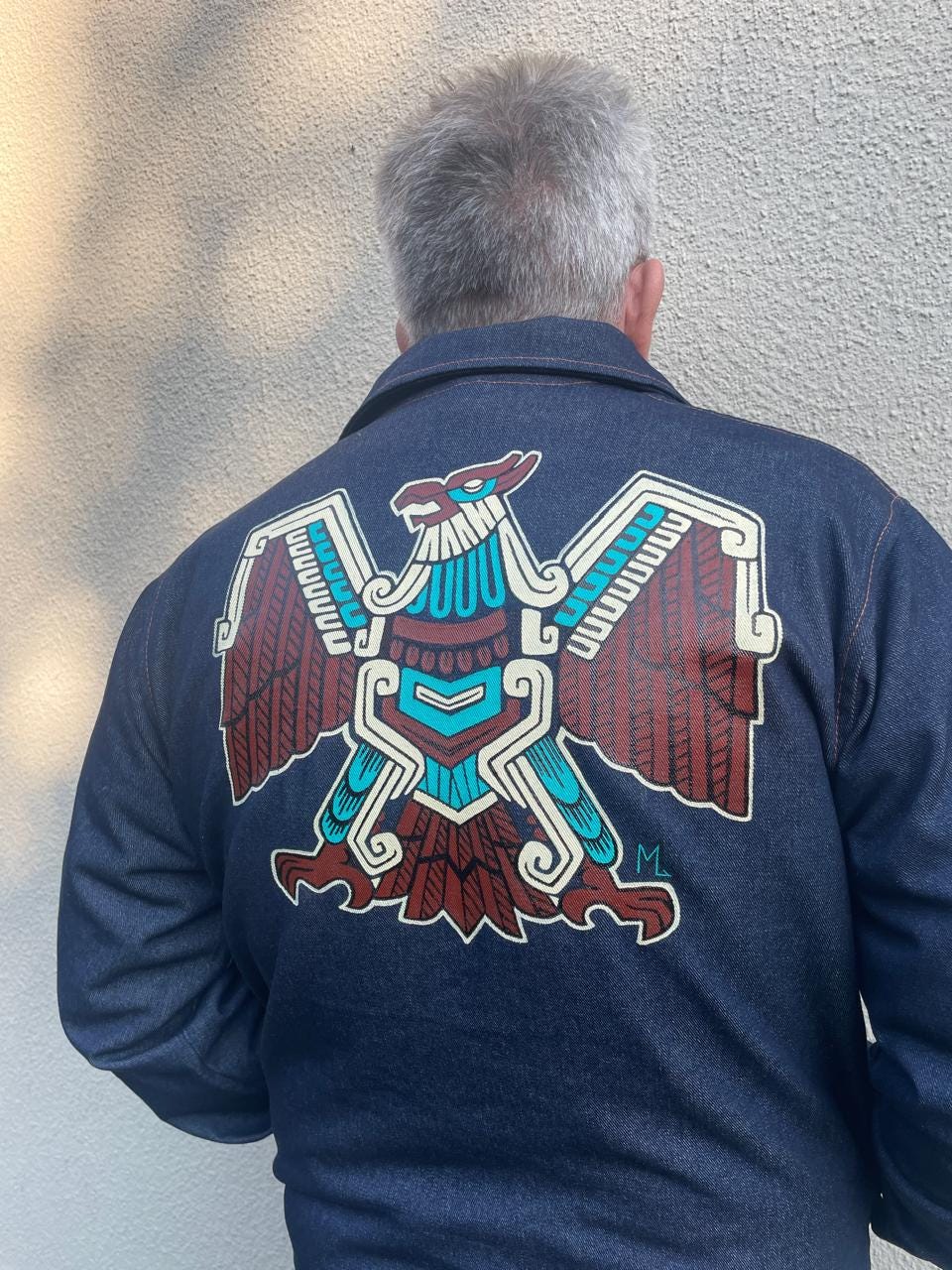
Ronald Bartels | LinkedIn | Instagram