How to Deal with Personal Failures
Lessons from Going Over the Handlebars
Life, much like a challenging bike ride, is full of unexpected obstacles—dongas, potholes, or even a set of stairs you didn’t see coming. Personal failures, whether physical, professional, or emotional, can throw you off balance and send you crashing. Drawing from a series of cycling mishaps and their parallels to life’s setbacks, this article explores how to handle personal failures with resilience, grit, and a willingness to climb back onto the saddle.
The Pain of the Fall | A Personal Tale of Cycling Mishaps
Cycling along the Spruit near Delta Park, I hit a donga—a rut caused by erosion—and was thrown over the handlebars. Landing with my full body weight on my shoulder, I dislocated it. As I stood up it snapped back into place. Eina. I tried to cycle back to my car but instead within a few seconds realized I had to walk. At the car I loaded my bike with one hand and realized that with pain and one hand I could not drive the car. I called for an ambulance. The paramedics arrived, not before driving past first with me unable to wave them down. They then double backed to find me as I went and stood in the middle of the road. They administered morphine, and rushed me to the emergency room. X-rays confirmed no broken bones, but my ligaments were severely strained. The doctor’s advice? “Man up, at least you were having fun when it happened.”
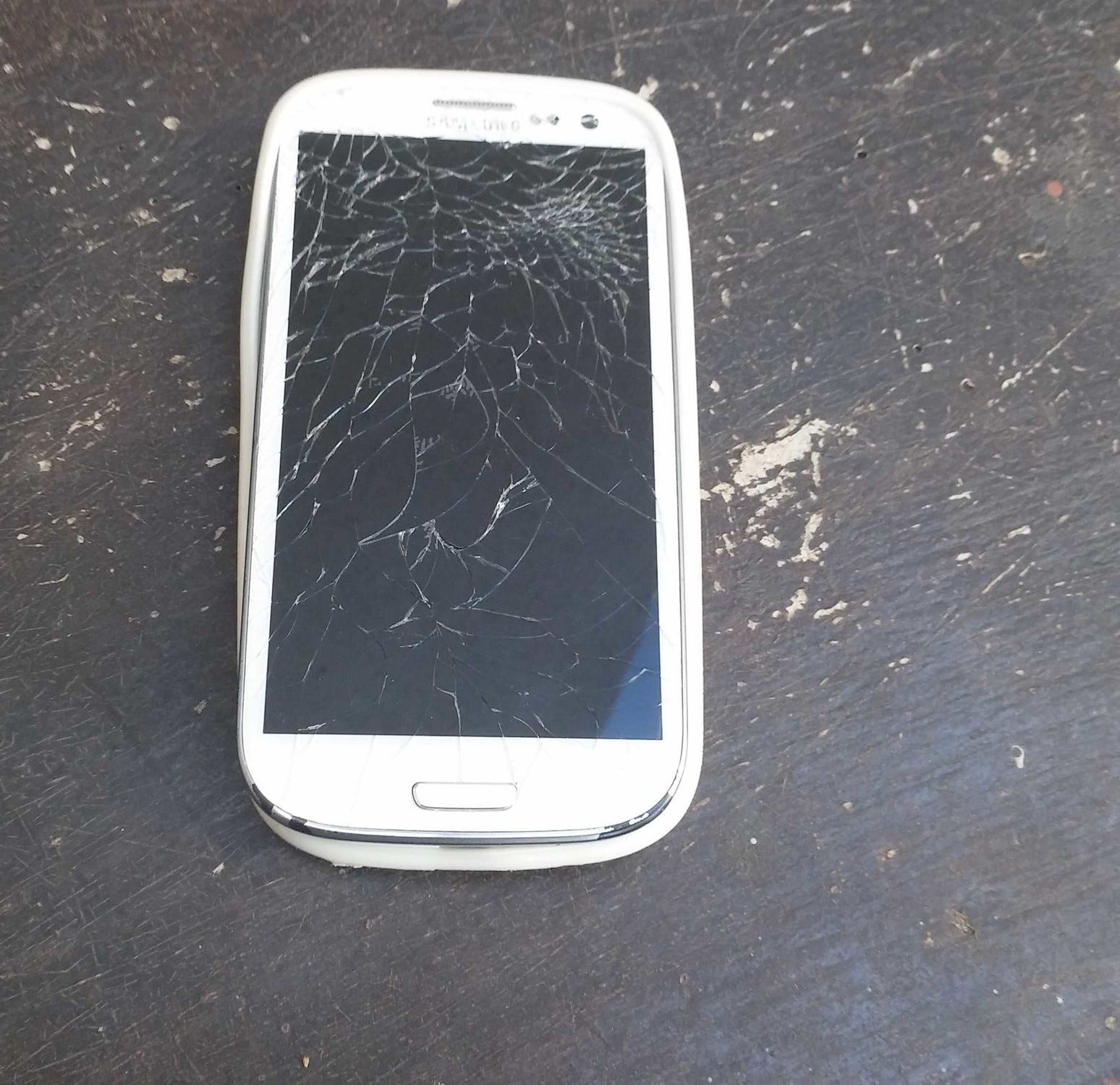
This wasn’t my first tumble. Years ago, while navigating a flooded stream along the Spruit, my front wheel hit a hidden pothole. Over the handlebars I went, destroying my trusty Samsung S3 in the process. That phone, solid and reliable for four years, took the brunt of the fall. I picked myself up, climbed back onto the saddle, and kept going.
Another time, on holiday at the Durban promenade, I misjudged a path that turned into stairs. Crashing down, I cracked my ribs and broke two fingers. Despite the pain and humiliation, I straightened my fingers, got back on the bike, and cycled to meet my sons at the car. The embarrassment stung worse than the injuries, but I kept moving forward.
Then there’s my mate, Brian Ortner, whose own over-the-handlebars moment was captured by a film crew and a GoPro. He broke his hand but, like me, learned that falling is part of the ride. Even my most painful experience—shattering my leg during a rugby game at Grey College, which kept me in plaster for 16 weeks—taught me that setbacks, no matter how severe, don’t define you.
Lessons from the Crash | Strategies for Handling Failure
Each of these incidents mirrors the personal and professional failures we all face. Whether it’s a physical fall, a job loss, or a project gone wrong, the principles for dealing with failure remain the same. Here’s how to navigate life’s dongas and get back on the saddle:
1. Grit Your Teeth & Get Back On
The #BestAdvice for handling a fall—whether on a bike or in life—is to get back up immediately, provided your injuries (or circumstances) aren’t debilitating. When I dislocated my shoulder, I couldn’t drive due to the pain, but in less severe cases, like the Durban promenade crash, I forced myself to keep going. At work, this translates to not dwelling on a failure. If you’re fired, retrenched, or face a major outage, act swiftly: apply for a new job, start a business, or implement a workaround. Delaying action only deepens the rut.
2. Assess the Damage, But Don’t Obsess
After a fall, check yourself and your bike. Is anything broken beyond repair? In my case, my Samsung S3 was a goner, but I was fine to continue. Similarly, after a personal or professional failure, take stock of what’s lost—time, resources, or confidence—but don’t get stuck analyzing the wreckage. Root-cause analysis can come later. For now, focus on what’s still functional and how you can move forward.
3. Embrace the Humiliation
Falling in public, like my tumble down the stairs in Durban, can be mortifying. People stared, and I felt foolish, but I got up and kept going. In life, failures—whether a failed project or a public mistake—can bruise your ego. Acknowledge the embarrassment, but don’t let it paralyze you. As the doctor implied, sometimes you just need to “man up” and keep riding.
4. Learn from Others’ Crashes
Watching Brian’s fall on video or hearing about others’ setbacks can put your own failures in perspective. Everyone goes over the handlebars at some point. Sharing stories of failure, like my rugby injury or Brian’s broken hand, builds camaraderie and reminds us that setbacks are universal. Seek out mentors or peers who’ve faced similar challenges and learn how they recovered.
5. Know When to Pause
Not every fall allows an immediate return to the saddle. My recent shoulder injury required an ambulance, and my rugby injury sidelined me for months. In life, some failures—like a major health crisis or a significant financial loss—require time to heal. Recognize when you need to step back, seek help, or repair what’s broken before moving forward.
The Bigger Picture | Failure as Part of the Ride
Cycling, like life, is inherently risky. You can’t avoid every donga, pothole, or staircase, but you can choose how to respond when they throw you off. The pain of failure, whether it’s a dislocated shoulder or a shattered career goal, is temporary. What matters is your ability to climb back onto the saddle, even if it’s with gritted teeth.
As I reflect on my cycling mishaps, I realize they’ve taught me resilience. The Samsung S3’s demise didn’t stop me from riding, nor did broken fingers or a dislocated shoulder. Similarly, professional failures—whether a missed deadline or a job loss—don’t define your worth. They’re just part of the ride.
So, the next time life throws you over the handlebars, take a deep breath, assess the damage, and get back on. The path ahead is still yours to conquer.