The Annual Pilgrimage to Vryheid’s Oktoberfest
Johnny wird das bezahlen
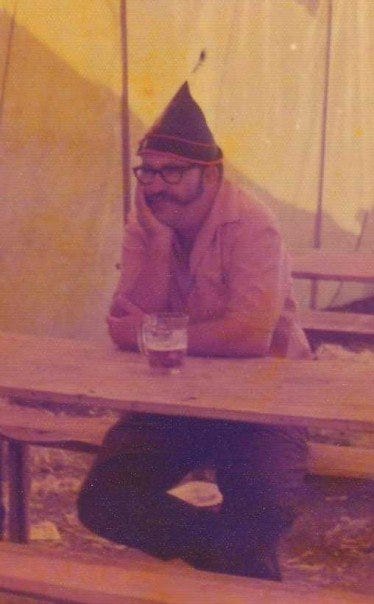
My godfather Johnny was a larger-than-life figure—a prosperous timber farmer in Northern Natal who owned his own sawmill, turning vast tracts of forest into fortunes. I adored him, not just for his infectious laugh and stories, but for the crisp R10 note he’d slip into my hand every time we met. My siblings would shoot me envious glares as I pocketed it, knowing it would fund my secret stash of Cokes at the New Hanover Tea Room or sweets from Reiches in Wartburg. Johnny was the kind of man who made you feel special, and his legendary generosity was just one thread in the tapestry of warmth that defined our yearly trips to Vryheid.
Each October, the anticipation built like a storm on the horizon. Our parents would bundle us kids into the Mercedes, the engine purring as we set off from home towards Northern Natal. We were heading to visit Johnny and his wife, Emgard—Dad’s cousin, who had been a steadfast ally when his own family shunned him for refusing to join the Bible House sect. Emgard’s kindness lingered in the air like the scent of pine from Johnny’s mill, a quiet strength that bound our families together.
The Oktoberfest itself was pure magic, a slice of Bavarian revelry transplanted to the South African veld. As kids, we had free rein to dart around the long wooden tables while the adults nursed their beers, their voices rising in laughter and song. We’d don those ridiculous hats with feathers bobbing jauntily, and Mom would slip into her cute German dress, looking every bit the part. The walls were adorned with homemade posters—true works of art, splashed with vibrant colors and cheeky slogans that captured the festive spirit.
And every few hours everyone would force Johnny to buy a round, by singing, “wer soll das bezahlen“. Which he would always agree to do!
No Oktoberfest was complete without the sweets. We’d munch on Lebkuchen, those spicy gingerbread treats, and wear the heart-shaped ones around our necks like edible medallions, inscribed with German sayings that we pretended to understand. Then came the oompah band, belting out the classics with tubas and accordions that made the ground thrum. I’d never forget the absurd tune about drowning your grandma in the outhouse—it had us all in stitches. We’d dance and sway to the rhythms, arms linked, the joy infectious. Dad, usually so reserved, would sport a permanent grin, his worries melting away in the froth of his stein.
The food was a feast for the senses: tangy sauerkraut piled high, succulent eisbein with crackling skin, frankfurters slathered in mustard. It was magnificent, hearty fare that fueled the merriment long into the night.
Everyone who mattered was there, turning the event into a reunion of souls. My godmother Johanna, wise and warm, would hold court with Eckart, Dad’s old school chum from Hermannsburg. Like Emgard, they were dear friends who’d stood by him through thick and thin. Then there was Arnold, the local magistrate, and his wife Brunie—Mom’s best friend. The two women would huddle at a table, skindering away about everything under the sun, while Mom sipped her favorite Hanepoot wine, its sweetness mirroring the evening’s glow.
The highlight for us kids came after the feasting: piling into Johnny’s son’s beater, that custom VW beach buggy, for joyrides around Vryheid. With the wind whipping through our hair and the buggy bouncing over the roads, it was lekker—pure, unadulterated fun.
Those Vryheid Oktoberfests remain my fondest memories, a benchmark of joy that no other has matched. The one in Joburg? Crowded, dirty, and soulless by comparison. In Vryheid, it was family, laughter, and a touch of the old world, woven into the fabric of our lives.