The Scourge of Dagga
A Menace Undermining South African Society
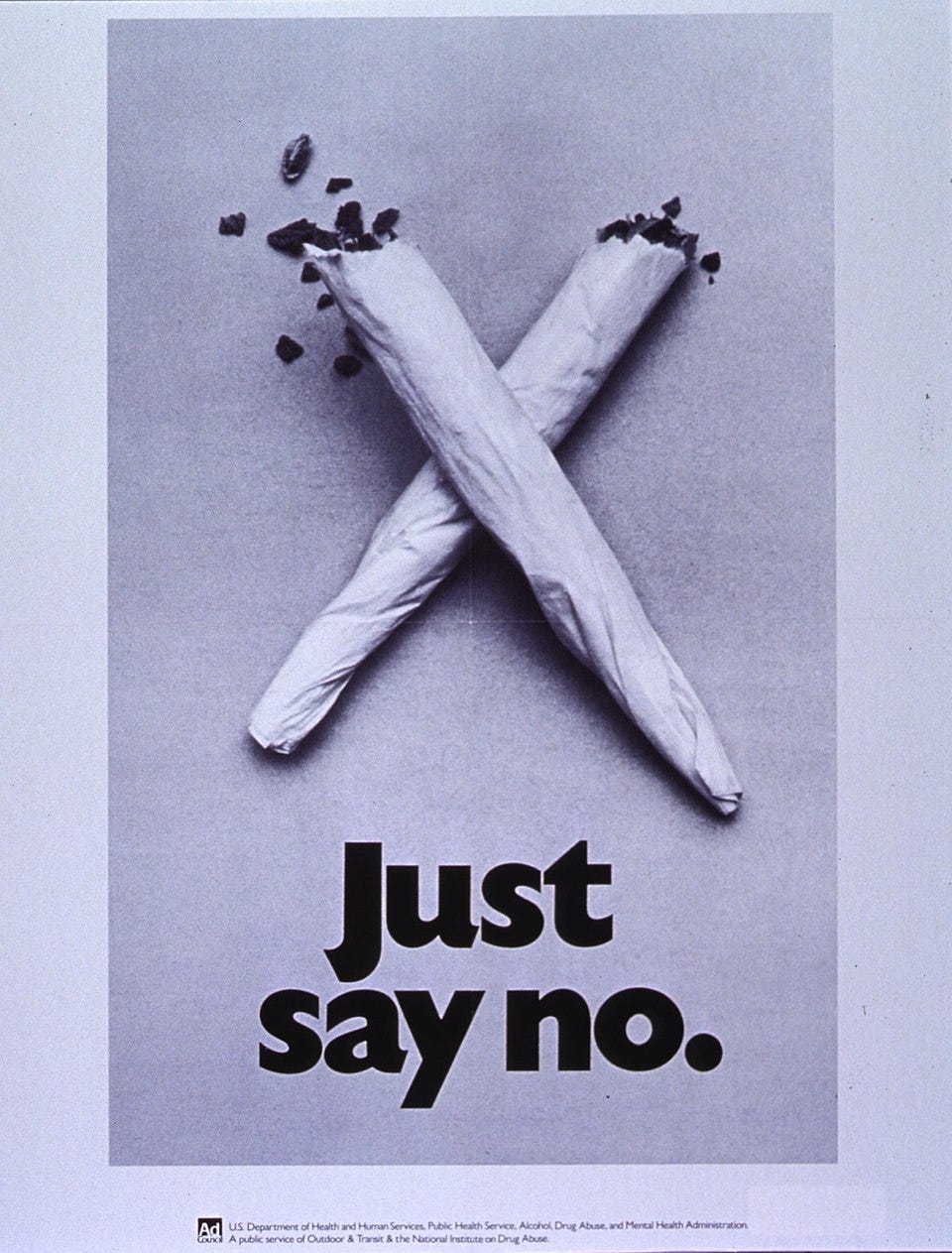
In a country grappling with poverty, crime, and inequality, South Africa has inexplicably embraced a dangerous trend: the normalization of dagga, euphemistically called “weed.” Since the 2018 Constitutional Court ruling decriminalizing private use, dagga has infiltrated communities, masquerading as harmless recreation. But make no mistake—this narcotic is a scourge, eroding minds, bodies, and social fabric. It dulls intellect, triggers violence, fosters addiction, and drags users to society’s lowest rungs. Far from a benign plant, dagga is a gateway to ruin, and it’s time we confront its devastating toll head-on.
Dagga is increasingly portrayed as a harmless recreational substance, with casual dismissals like “there’s nothing wrong with it” becoming commonplace, this article seeks to challenge that normalization by presenting evidence-based insights into its adverse effects. Far from being inconsequential, regular or heavy use of marijuana has been linked to a range of short- and long-term harms that can impact physical health, mental well-being, cognitive function, and overall quality of life. These effects underscore that it’s use is not without risks, countering the perception that it is a benign habit comparable to everyday activities.
By focusing on these documented harms, this article aims to foster a more informed perspective, emphasizing that downplaying dagga’s side effects overlooks substantial evidence to the contrary. Importantly, this discussion does not explore the causations or underlying reasons for marijuana use, such as personal vulnerabilities or societal factors that may contribute to initiation—these warrant separate examination in other contexts. Additionally, its not meant to gauge or compare different types of addiction and draw conclusions based on that type of analysis.
The Mental Health Catastrophe | From Stupidity to Psychosis
Dagga doesn’t just “relax” users; it systematically impairs cognitive function, making them, quite frankly, stupider. Chronic use inhibits potential by disrupting memory, attention, and decision-making, turning ambitious individuals into listless underachievers. Studies link heavy cannabis consumption to lower IQ scores and reduced educational attainment, locking users in cycles of failure.
Worse still, dagga is a potent trigger for severe mental illnesses. In South Africa, where mental health resources are already strained, cannabis use has been directly associated with psychotic disorders. Research from KwaZulu-Natal reveals a high prevalence of cannabis use among people with psychosis, predicting shorter durations of untreated episodes and heightened negative symptoms. Post-decriminalization data shows psychotic disorders as a leading diagnosis among hospitalized adolescents who use the drug. Users report increased anxiety, panic attacks, depression, and low motivation, with high-THC strains inducing paranoia and hallucinations. Globally, evidence ties marijuana to suicide planning and full-blown psychotic episodes, a risk amplified in vulnerable populations.
In South African psychiatric settings, comorbid schizophrenia and cannabis use disorder lead to bizarre behavior, increased violence, and frequent relapses. Perceptions among patients highlight fears that relaxed laws will exacerbate these issues, with dagga acting as a catalyst for mental disintegration. This isn’t harmless fun; it’s a recipe for lifelong institutionalization and despair.
Physical Toll | Sickness, Nausea, & Long-Term Decay
Beyond the mind, dagga ravages the body. Users often experience acute physical nausea, vomiting, and respiratory issues from smoking, akin to tobacco’s harms but compounded by unfiltered toxins. Long-term, it weakens the immune system, increases heart rate, and raises risks for lung infections and cancers.
In South Africa, where healthcare access is limited, these effects burden an already overwhelmed system. Addiction treatment centers report dagga’s role in causing persistent health problems, including cannabinoid hyperemesis syndrome—a cycle of severe nausea and abdominal pain. The drug’s impact on physical well-being is undeniable, turning healthy bodies into frail shells dependent on a substance that offers no real benefit.
Fueling Violence & Abuse | A Social Powder Keg
One of dagga’s most insidious effects is its link to aggression and abuse. Far from mellowing users, it can provoke violent outbursts, especially in those with underlying mental health issues. Persistent cannabis use is an independent risk factor for violent behaviors, particularly in early-phase psychosis. South African studies confirm this, showing cannabis as a significant trigger for violence in psychotic individuals, with patterns of interaction that escalate risks.
In a country plagued by gender-based violence, dagga exacerbates the crisis. Research on cannabis use disorders in South Africa connects the drug to heightened affective mental health outcomes, including aggression that spills into domestic abuse and community conflicts. Users become abusive, lashing out at family and friends, perpetuating cycles of trauma. This isn’t speculation—it’s evidenced in rising admissions for trauma and stressor-related disorders post-decriminalization.
Addiction & Abuse | The Narcotic Trap
Don’t buy the myth that dagga isn’t addictive. As a narcotic, it hooks users through dopamine surges, leading to tolerance, withdrawal, and compulsive use. In South Africa, cannabis use disorders are rampant, with myths of harmlessness shattered by realities of dependency. Withdrawal symptoms include irritability, insomnia, and cravings, trapping individuals in a downward spiral.
Abuse rates have surged since decriminalization, with mental health services noting increased comorbid conditions like schizophrenia relapses tied to ongoing use. Dagga isn’t a soft drug; it’s a narcotic that enslaves, robbing users of autonomy and potential.
Social Degradation | From Respectability to the Dregs
Socially, dagga is unacceptable, marking users as unreliable and low-status. It lowers standards, associating smokers with the “dregs” of society—unemployed drifters, criminals, and outcasts. In professional settings, it impairs performance, leading to job loss and poverty. Communities view dagga users with disdain, eroding social bonds and fostering isolation.
In South Africa, where social mobility is key to overcoming apartheid’s legacy, dagga hinders progress, perpetuating inequality. It’s not just personal—it’s a societal anchor, dragging entire neighborhoods down.
A Call to Action | Expel the Poison from Our Midst
Cannabis shops have no place in our shopping centres, peddling destruction under the guise of commerce. Property owners must grow a backbone and evict these dens of vice, prioritizing community well-being over profits. Policymakers should tighten regulations, banning public sales and reversing the tide of normalization.
It is essential to address the proliferation of weed shops and advocate for their closure as the most prudent legal recourse. The current landscape allows for the unlawful consumption of toxins through smoking dagga, which poses significant risks to individuals and society at large. While cigarettes are also harmful, they benefit from stringent regulations governing their production, distribution, and sale, ensuring a level of oversight that minimizes certain dangers. In contrast, the unregulated nature of many weed shops enables the spread of potentially adulterated products, exacerbating health concerns without equivalent safeguards.
From a health perspective, smoking dagga is fundamentally akin to smoking any other substance, but with potentially graver consequences. Research and observations indicate that the lung cancer risks and associated medical issues linked to dagga may surpass those of tobacco due to factors like deeper inhalation practices and the presence of unfiltered toxins in many dagga products. Tobacco products, while carcinogenic, are subject to filters and quality controls that somewhat mitigate exposure, whereas dagga smoking often involves raw, unprocessed material that delivers higher concentrations of harmful compounds directly to the lungs.
Furthermore, the hallucinogenic and psychoactive properties of cannabis underscore the need for it to be treated as a scheduled medication rather than a recreational commodity. These effects can impair judgment, coordination, and mental health, making unrestricted access through weed shops irresponsible. Instead, distribution should be channeled exclusively through established pharmaceutical chains, where prescriptions, dosage controls, and medical supervision can ensure therapeutic use only, similar to other controlled substances. This approach would align with legal frameworks for drug management, reducing abuse potential and integrating cannabis into a system designed for safety and efficacy.
To this end, existing weed shops should be systematically closed, with their operations redirected toward lawful pharmaceutical distribution channels. This not only upholds public health standards but also enforces a consistent regulatory environment for all substances that carry inherent risks. By updating policies to reflect these priorities, we can foster a more responsible framework that prioritizes well-being over unchecked commercialization.
Dagga is no victimless vice—it’s a scourge afflicting minds, bodies, and society. South Africa deserves better than this narcotic nightmare. It’s time to wake up, reject the euphemisms, and fight back against the dagga delusion before it claims another generation.

BTW: Elon Musk, you might be the richest man in the world, but you are a twat.