The White Rocket
My 1995 BMW 320i
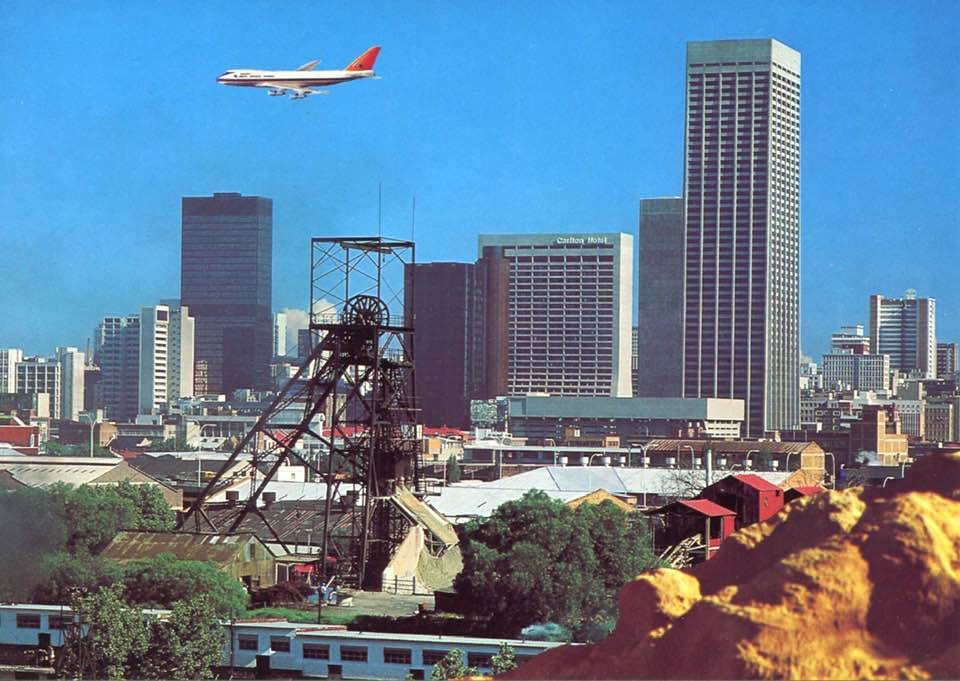
Ah, the 1995 Rugby World Cup, what a time to be alive in South Africa. The Springboks' triumphant victory over the All Blacks in that nail-biting final at Ellis Park sparked nationwide euphoria, with streets erupting in celebrations that lasted well into the night. I was right in the thick of it, cruising home in my trusty old Honda Ballade, a reliable little sedan that had served me well through my early career days. But fate, or perhaps a overly exuberant reveler, had other plans. As I navigated the chaotic post-match traffic with my mate Jose riding shotgun, a distracted driver plowed into the rear of my car, crumpling the back end like a tin can. The Ballade was gevoerts, and while we walked away unscathed, it marked the end of an era. Fresh off starting my new job at Madge Networks – a tech firm buzzing with the promise of the communications boom – I decided it was time for an upgrade. No more sensible economy cars; I wanted something with soul, speed, and style. That's how I ended up with my white BMW 320i, the best car I've ever owned. I’m sure my future wife was impressed with the car when I picked her up for our first date at Brown’s restaurant in 1999.
The BMW 320i was part of the E36 generation, a sleek and sophisticated compact executive sedan that BMW produced from 1990 to 1998. Mine was a 1995 model, powered by a smooth 2.0-liter inline-six engine that delivered 110 kW and 190 Nm of torque, mated to a five-speed manual transmission for that pure driving engagement. It was rear-wheel drive, of course, the hallmark of BMW's “Ultimate Driving Machine” philosophy, which gave it razor-sharp handling and a balanced feel that made every corner an adventure. This one was a “full house” version, loaded with all the premium options available at the time: power windows, sunroof, anti-lock brakes, and that glorious air conditioning system that could chill the cabin on the hottest Johannesburg days. The exterior was a pristine Alpine White, gleaming under the sun like a fresh snowfall, with subtle aerodynamic lines that hinted at its performance potential without screaming for attention.
But it was the interior that truly sealed the deal. Sliding into those black leather seats felt like sinking into a luxurious embrace, supple, supportive, and scented with that new-car aroma mixed with a hint of premium hide. They were heated, too, a godsend during those crisp Highveld winters, and the bolstering kept me planted during spirited drives. The dashboard was a model of ergonomic German engineering, with clear analog gauges and a straightforward layout that put everything at my fingertips. And then there was the crown jewel: the factory-installed 6 CD shuttle changer tucked away in the trunk, a high-tech marvel in an era when most cars were still rocking cassette decks. It could hold six discs at once, cycling through them seamlessly via controls on the steering wheel or the head unit. No more fumbling with tapes or single CDs while driving; this setup turned my commutes into personal concerts.
That BMW wasn't just a car; it was a rocket. Punch the accelerator, and the inline-six would rev eagerly to its 6,500 rpm redline, propelling me from 0 to 100 km/h in about 9.2 seconds – respectable for the time, but it felt blisteringly quick thanks to the responsive throttle and that signature BMW growl from the exhaust. On the open road, it ate up highways with effortless poise, stable at high speeds and begging for twisty backroads where its suspension shone. I remember blasting down the N1 toward Pretoria, the wind whipping through the open sunroof, feeling invincible. It handled like a dream, with precise steering that telegraphed every nuance of the tar. Reliability was another plus; over the years I owned it, it never let me down, sipping fuel efficiently while delivering thrills that no other car in my life has matched. Selling it eventually felt like parting with a loyal friend.
The soundtrack to those drives came courtesy of the six CDs perpetually loaded in the shuttle, a eclectic mix that reflected my moods and the mid-90s vibe. First up was Bonnie Raitt's “Road Tested,” a 1995 double live album captured during her tour, showcasing her gravelly blues-rock prowess. It's raw and electric, with standout tracks like “Something to Talk About” and a searing cover of “Love Sneakin' Up on You,” where her slide guitar wails over funky rhythms, evoking smoky bars and heartfelt storytelling. Then there was my John Denver CD, a compilation of his greatest hits, full of folk-country anthems that transported me to wide-open American landscapes. Songs like “Take Me Home, Country Roads” and “Rocky Mountain High” are uplifting odes to nature and simplicity, with Denver's warm tenor and acoustic strumming providing a soothing counterpoint to city stress.
For pure pop joy, ABBA's “Gold” was always ready – a 1992 greatest hits collection that's a disco-pop masterpiece, packed with infectious hooks and harmonies. Tracks like “Dancing Queen” and “Mamma Mia” burst with upbeat energy, synthesizers, and those iconic Swedish melodies that make you tap your feet involuntarily, turning traffic jams into impromptu dance parties. Paul Simon's “Graceland” from 1986 added a worldly twist, blending Simon's clever lyrics with South African township jive and mbaqanga rhythms, courtesy of collaborations with Ladysmith Black Mambazo. Hits like “You Can Call Me Al” and the title track “Graceland” are rhythmic adventures, fusing folk-rock with African grooves for a sound that's both introspective and danceable, reminding me of home even as I drove city highways.
Queen's “Greatest Hits” brought the rock thunder, a 1981 compilation (with updates) featuring Freddie Mercury's operatic vocals and Brian May's guitar wizardry. Anthems like “Bohemian Rhapsody” – with its epic shifts from ballad to hard rock – and “We Will Rock You” pumped adrenaline, perfectly matching the BMW's spirited acceleration. Finally, The Cranberries' “No Need to Argue” from 1994 rounded out the set, an alternative rock gem led by Dolores O'Riordan's haunting, yodeling voice. Songs like “Zombie” deliver powerful anti-war messages with grungy guitars and emotional intensity, while “Linger” offers dreamy, melancholic pop that's achingly beautiful, capturing the angst and hope of the era.
That white BMW 320i wasn't just transportation; it was a chapter of freedom, a vessel for memories scored by those albums. Every time I fired up the engine, it reminded me why I love driving – the thrill, the escape, the pure joy of the open road. If I could turn back time, I'd buy it all over again.

Ronald Bartels | LinkedIn | Instagram