The Morning Patrol with Mastelekđź’Ş

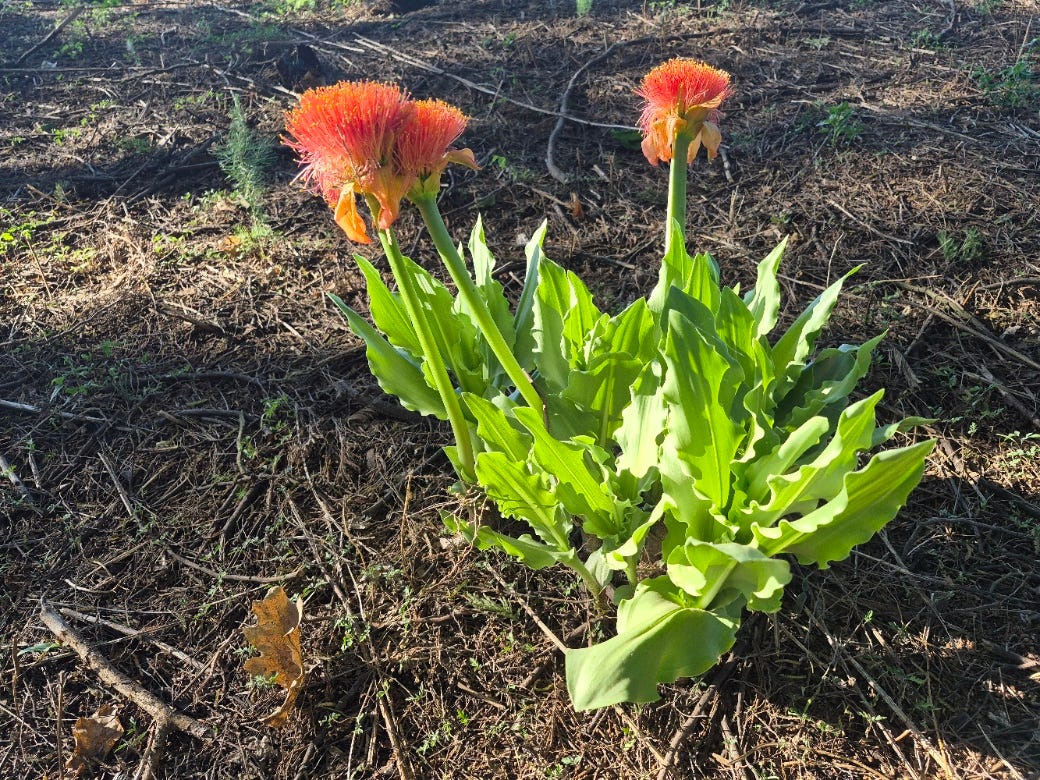
Stories of Mastelek who enjoys farming Boweia Volubilis

Viva la Grey, Spiertjies

My dear old friend Francois,

As you begin this celestial journey across the vastness of eternity, I reflect not with a soul of sorrow but with happiness.

I’m a cold blooded mathematician. A person who knows that life is finite and the rest irrational. The problem is that in such a perception there is no joy to the soul and our life’s essence is to be there with not only equations but our mind pacified by poetry. But truth be told, that bard Shakespeare is a bit of an extremist.

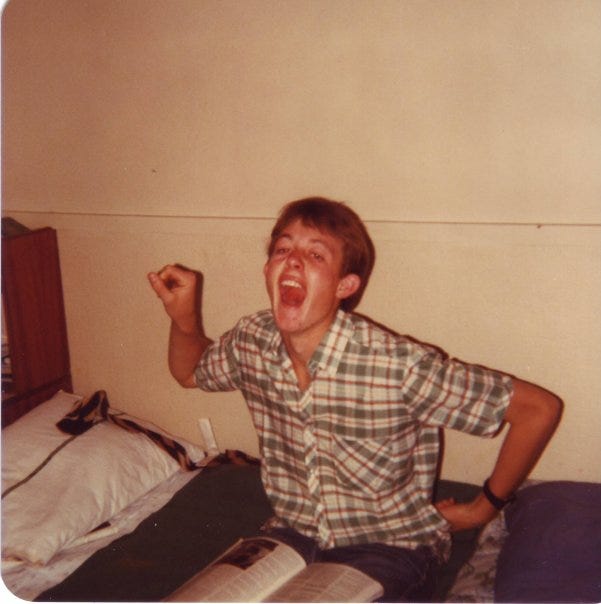
In our youth at school we had our distance, nothing but passing acquaintances and ships in the night. However, our last meeting and engagement turned that on its head and we then became old friends. You made an effort to reach out and engage with me to ask me about my life. I learnt that you had your own problems, of the heart, the spirit as well as the physical, of what Dr Barnard called a pomp. It did eventually seize, like an old Lister diesel.

Hearts are the essence of our being. It symbolises love. We treat it like a biological function but that restricts it and it also then restricts our thinking as hearts are both tangible as well as intangible. In the tangible form hearts pump blood and in the intangible form they orchestrate our feelings.

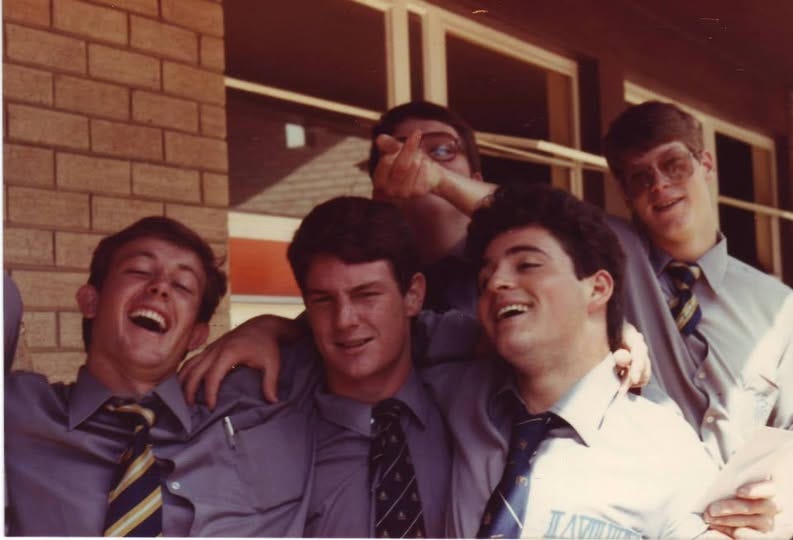
Ons laaste handskud was by die Grey reunie met ons maters van 84. Ek het met jou gepraat oor daardie Grey High game toe jy afgestuur is. Jy het gesĂŞ die los voorspeler het jou altyd laat gevat, die ref het dit laat gaan en jy het jou moer gestrip. Ek het gesĂŞ ek sou sommer my moer gestrip het met die eerste laat tackle. Ons het lekker gelag en ons is toe geroep vir die klas foto. Op daardie foto sien ek jy het nog 'n groot grin op jou gesig.

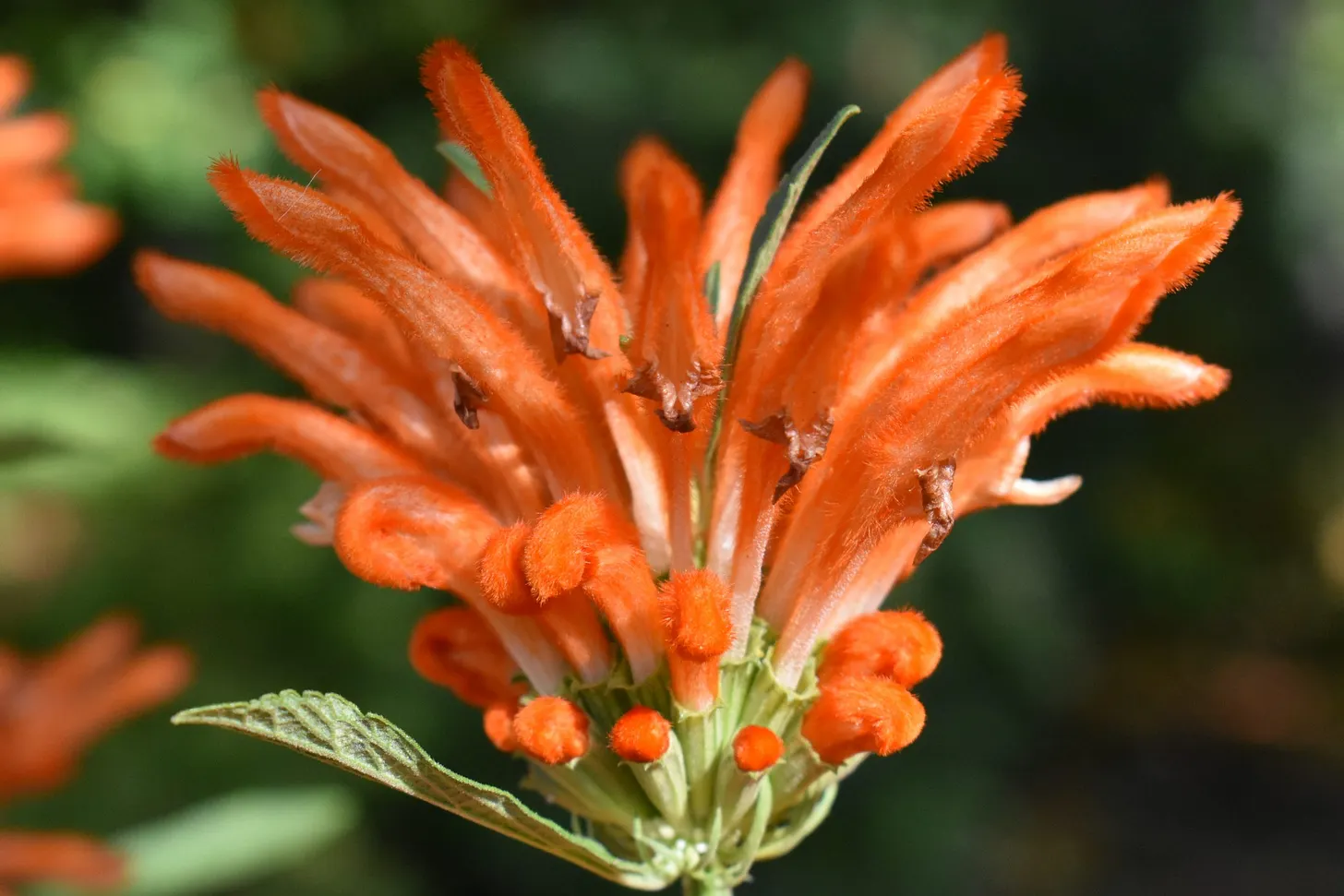
I have no idea what made you happy, old friend, as you have departed our world to others. Maybe I should have asked in our final conversation but I’ll tell you about a small thing that makes me happy. I love watching sunbirds feed on Leonurus as I always find it uplifting. You see the orange flowers are mathematical perfection in symmetry and shape. A pure equational representation. Then a sunbird arrives, sun glancing off its plumage, its wings power an aerial dance of extravagance before it feeds on the nectar of the Leonorus. Like a Marilyn Monroe sipping on fancy pants French Champagne in a classic movie.

Next time on my walks when I seek the above happiness, I hope I’ll find a feather. The feathers are where the physical and spiritual world are briefly bridged. Where angels indicate to us their existing presence. I reflect on them which includes my wife, my brother, my son as well as my parents. And now I know, old friend, that you are also there, present with a grin and reaching out with a handshake in the form of our alma mater’s traditional greeting.

Viva la Grey Ronald

Ronald Bartels | LinkedIn | Instagram

The Zulu name given to my dad was Mastelek, the Strong One
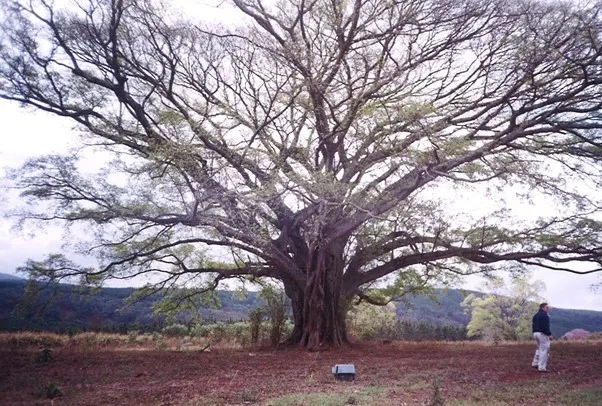
A dark night

The roads in the Natal Midlands after the First World War were dark & dusty at night. There were very few tarred roads and not many cars. The Union of South Africa had been established a decade before with Louis Botha as the first Prime Minister and the country was busy expanding its rail network. In the Midlands, the trains were required for the wattle and sugar cane fields. Jan Smuts was the current prime minister and ESKOM, the power utility had just been established & the country was planning widespread deployment of coal fired power stations. Currently with rolling blackouts hitting the country we are going back to those dark and dusty times.
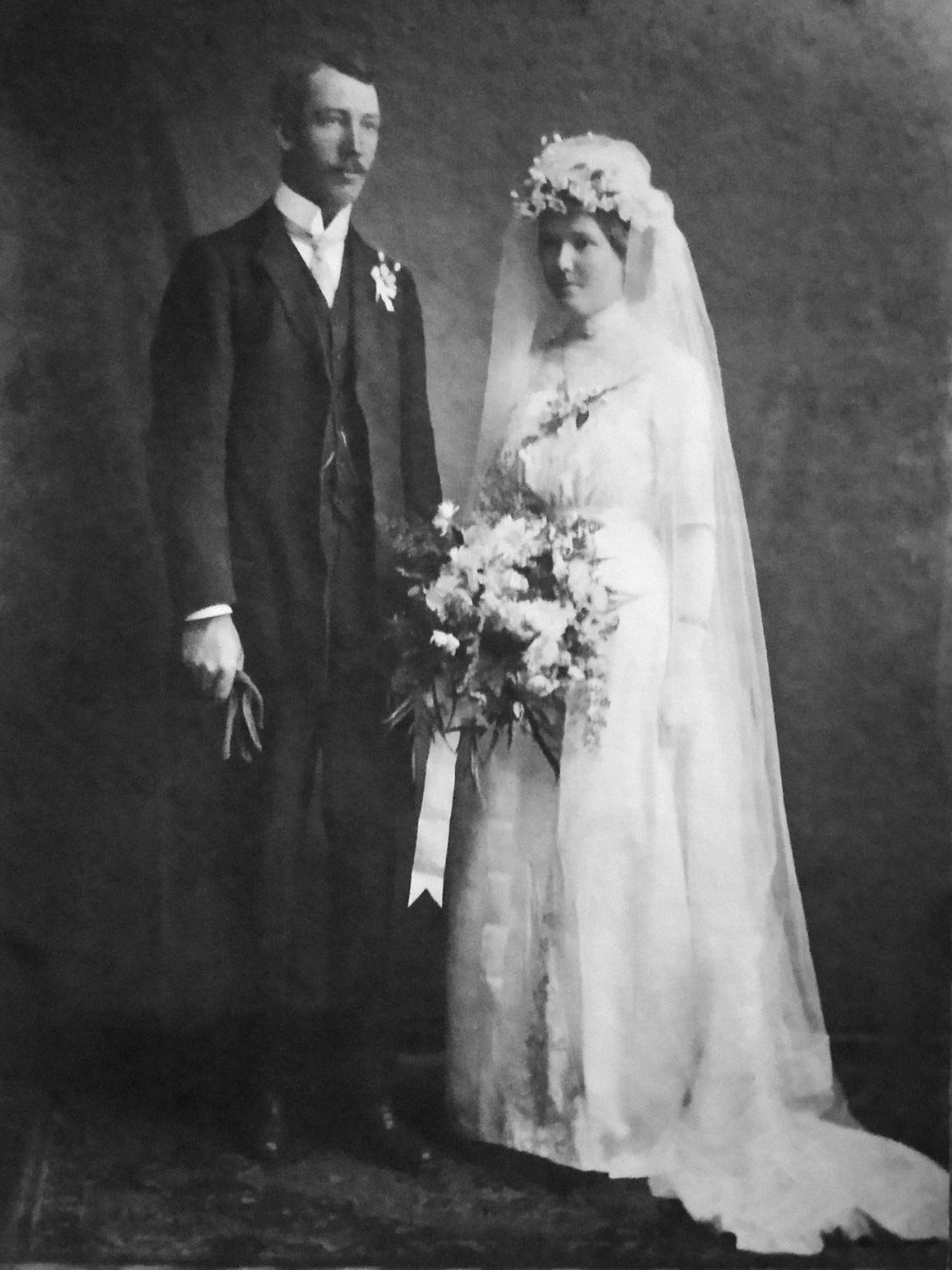
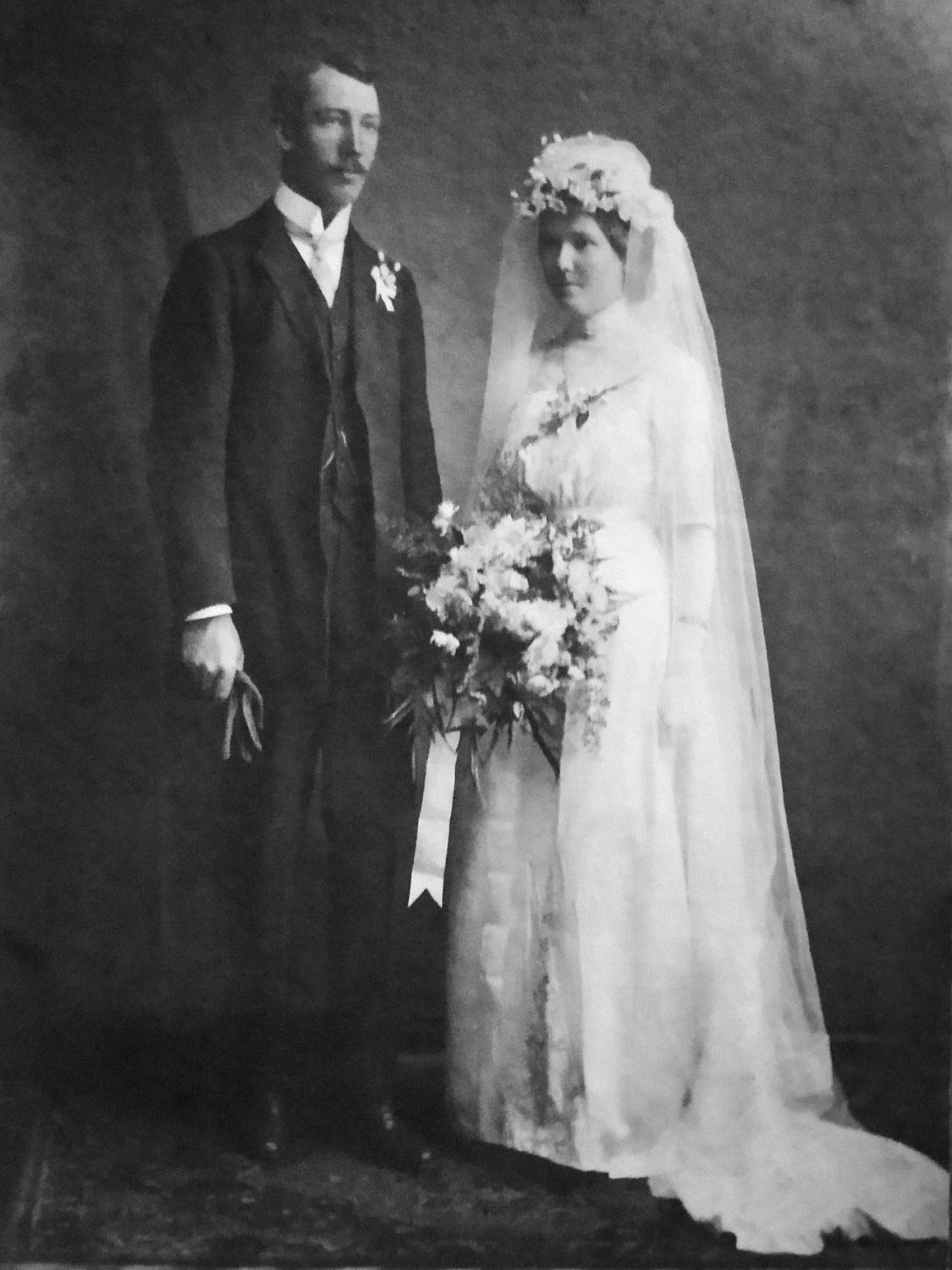
Herman and Hulda

My paternal grandmother and her sister's family were in a car which on one dark night collided with a train. The result was the death of her sister's husband and their two children. My grandmother and her sister survived although they each had numerous broken bones. In those years, cars were rare and mass production had only started a decade before in the United States of America. The owner of that car was Herman Gielink who was relatively well off and a successful farmer.

I can imagine the pain of Hulda, my grandmother's sister at the loss of her husband, Herman Gielink. I have experienced something similar with the loss of my own wife. The feelings associated with the loss of her children would have been amplified as I have also lost a child. When my dad was born, nearly a dozen years after the accident, Hulda was his godmother and they formed a tight bond.

Hulda went to stay with my grandmother and Gielink’s farm was one on which my grandparents lived and farmed. My grandfather as a result was secretary of the local farmer’s association that owned a butchery. Hulda received a substantial inheritance from her husband but would squander a significant portion in funding the cult movement established by Engelbrecht after the Second World War known as Bible House. She was easy prey given her circumstances.

The pocket watch

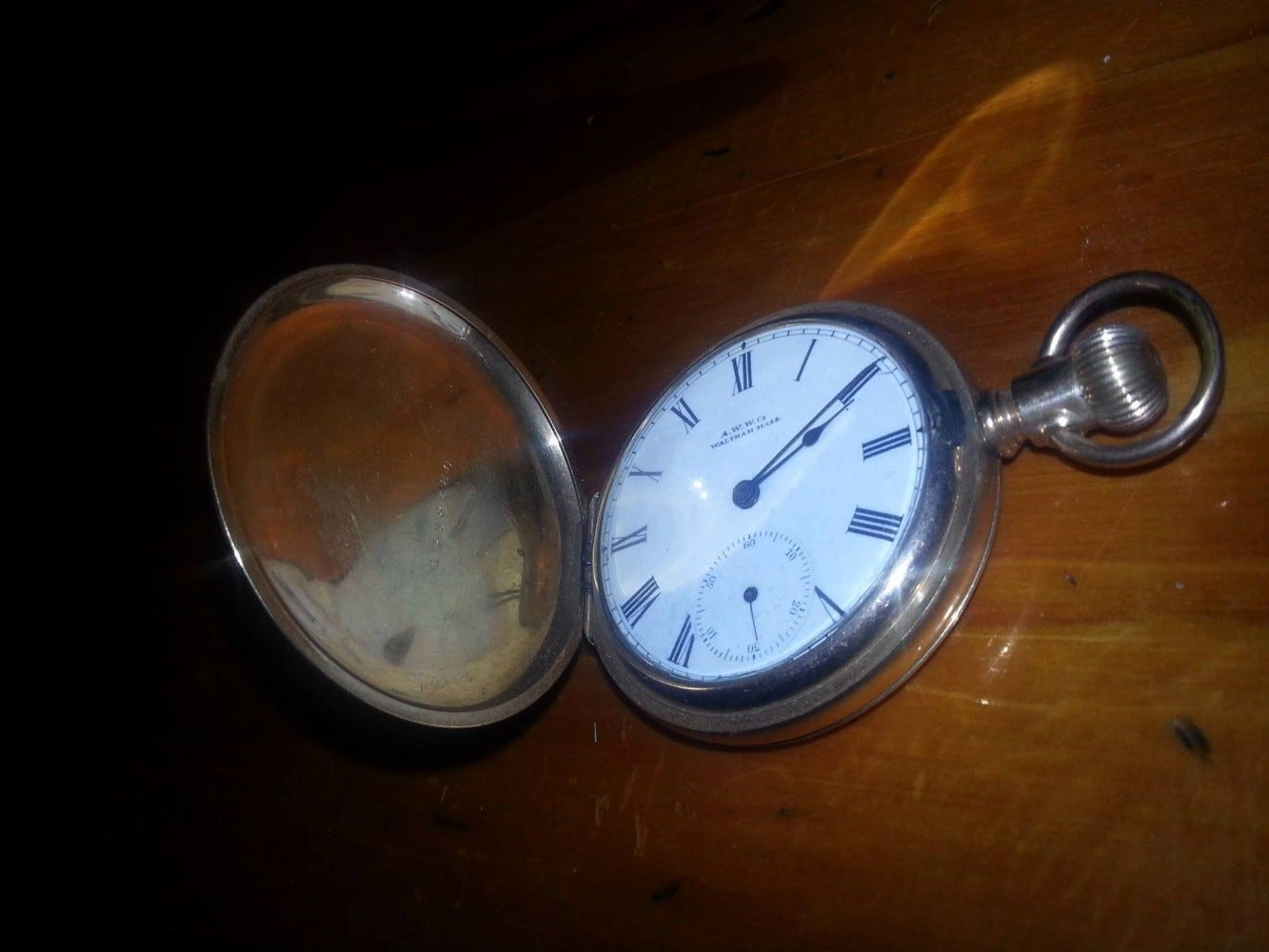
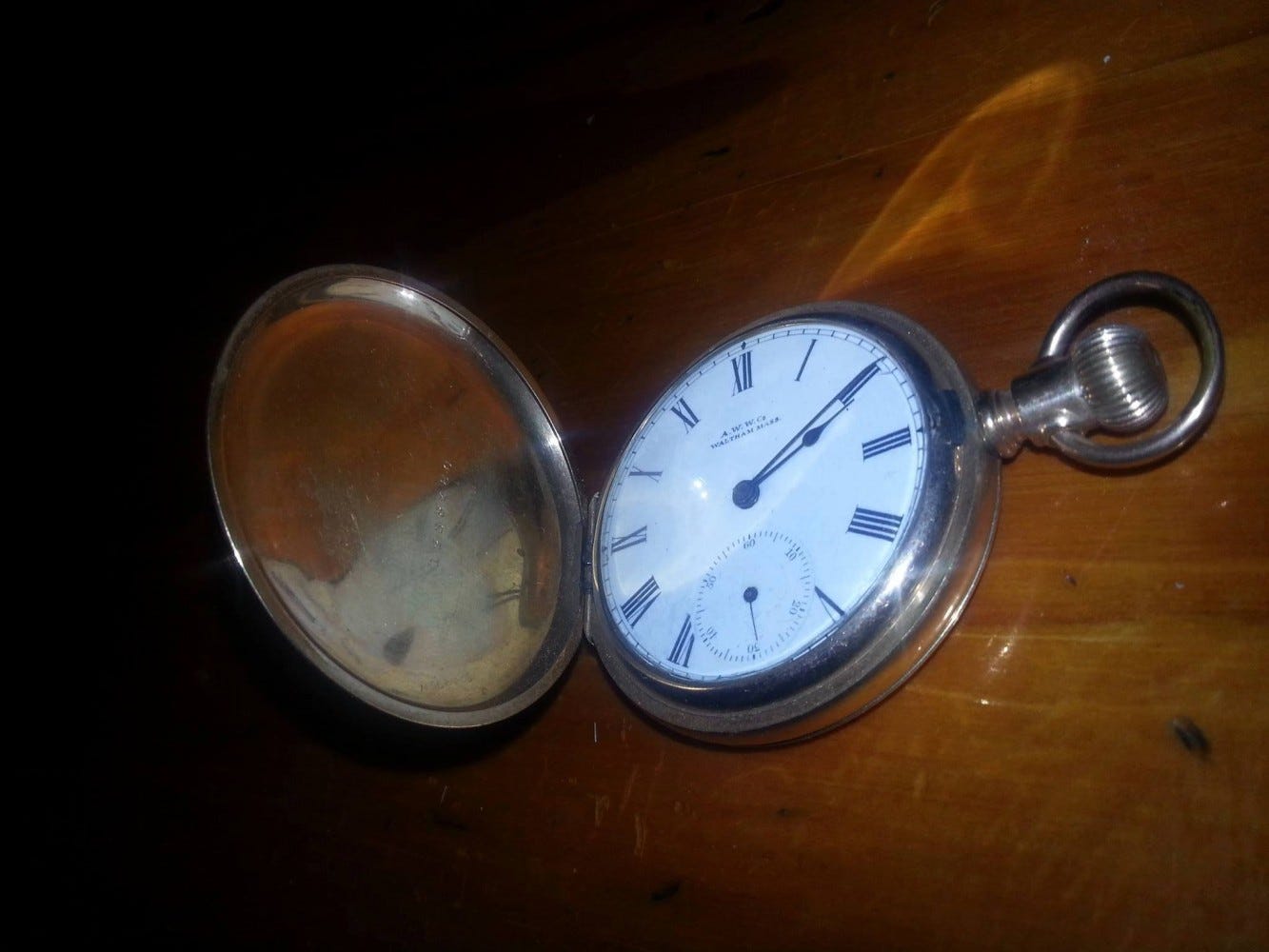
My father was given Hulda's husband's pocket watch. Herman had it in his pocket that fateful day and it was one of his prized possessions that he inherited from his own father. The first wristwatches had only been worn a few years before in the First World War and were not yet widely popular. Wristwatches were invented by Cartier for a pilot friend. They became popular amongst pilots and soon after that amongst the general population as they were more practical, but in South Africa at the time of the accident, they were still scarce.
No alt text provided for this image

The pocket watch is an American Watch Company one with serial number #1238480. It was manufactured at the time of the First Boer War by Waltham in Massachusetts and would have been in use for more than forty years before that accident. Since then it has been in a drawer during my father's lifetime and in a display cabinet currently in my house.

The pocket watch does not tell a story. It is a reflection. It does not know the horror of the accident or the pain of a mother & wife. I do not collect watches but here it is, the last memory and association of a family that ended tragically on a train track.

Explosion

My dad also nearly did not make it further than his twenty second birthday. After he completed High School, he went to work on the family farm as his dad was too ill to continue by himself. He was involved in a petrol tank explosion soon afterwards. He welded a leaking tank, not realizing that even though it was empty the fumes would explode. His life was saved by a doctor who had served during the Second World War in North Africa & was familiar with treating the burn wounds that often-inflicted soldiers that had been under attack with artillery incendiaries. The healed burns were visible on his body, especially his legs and balding head. My dad would not have survived if the skills of an experienced burn doctor were not available in the improbable backwater of Greytown, KwaZulu-Natal. The doctor suggested altitude treatment and as a result my dad became a pilot. The flights were subsidized and thus cheaper with a minimum of fifty flights required to qualify.

During this time in the early fifties Engelbrecht started his cult. My father’s brother Heinz was forced to leave school at the age of fifteen to take over my dad’s responsibilities on the farm while he was recovering in hospital from his burn wounds.

The bastard

When my dad finally recovered from his injuries the farm on which my grandparents lived was not a pleasant & welcoming place. His sister had been raped and the Engelbrecht cult had forced him to distance himself from his own family. So, my dad leased a farm named Seafield in Richmond from a wealthy landowner in that area of the province. The terms of the lease were so written that a missing payment would result in a forfeit, but after several years, my dad would become the owner. My dad was struggling to make the payments, so he went to visit the landowner. When he arrived at the house of the landowner, he encountered the wife walking down the driveway. He said he had come to talk to her husband, and she responded by saying her husband was a bastard and continued down the driveway and left. The talks with the bastard were not fruitful and my dad was coming to terms with the realization that he would lose the farm. He also heard that the landowner had written up these types of contracts before with other leasees and had seized the farms on default. He was helped in making payments by some of his school mates, most notably Rolf Wohlberg who would later be the best man at his wedding.

My dad would buy the Natal Witness religiously every day. He says that one day, on the front page, the headline story was about his nemesis. An attempted reconciliation between him & his wife had ended in disaster. She had shot & killed him. He went to see the lawyer of the estate, who handed the farm’s lease papers over to him. It seems the lawyer wanted one less problem to solve. My dad said he immediately went to the pub to celebrate with his friends & school mates. It was an amazing bit of fortuitous tragedy.

He was still in social contact with his family & one Christmas Eve in a conversation with his brother Heinz, he boasted that he could run the Comrades Marathon. His brother said he would easily beat my dad and his time as he weighed less. This inspired my dad to show up his brother! The Comrades Marathon is a yearly ultra-marathon between the two Kwazulu-Natal cities of Durban & Pietermaritzburg. My dad completed the race finishing in 69th place while running in tennis shoes. His brother never ran the race. My father would proudly wear his Comrades jacket and his stories of the race influenced my brother to attempt it as well. My brother would eventually complete ten Comrades Marathons, including several silver medals. Both my father and brother have plaques on the Comrades memorial wall.

At the start of the sixties South Africa had a referendum to become a republic. My dad was in the middle of Natal which widely voted against becoming a republic. My dad however, decided to be part of the ones who wanted a republic and assisted at the voting tables for becoming a republic. One of the teachers at the school in Richmond decided to teach my dad a lesson for being so cheeky in his opinion and attempted to burn down my dad's property, the Seafield farm. He was caught out, apprehended, and lost his job.

Shortly afterwards he met my mother at the wedding of his neighbour Pierre du Toit. My mother was the only daughter of JT and Joey Elliott. Joey was in fact Johanna Maria Magdelena nee Bruyns. Joey was a bit perturbed that her daughter was interested in a wattle tree farmer from the sticks in Richmond, but JT said he trusted his daughter to make her own decisions.

My dad sold the farm in Richmond and used that as a deposit together with inheritance from Hulda and a Land Bank loan to buy three farms in the district of uMshwathi. This is the farm named Oakvilla that would be my home for the first fourteen years of my life. He farmed vegetables which included potatoes. I clearly remember the variants as BP1, Up to date and Pimpernel. We also had cabbages on the farm and the occasional crop of Madumbis.

My dad would regularly wake up before 3 am in the morning. He would say it was because he had been a farmer, but I later found out the reason was far more disturbing. He was unable to sleep due to having witnessed traumatic events. My dad was a police reservist when I was still in primary school. He was a Sergeant and one day he just stopped his duties. Later I would find out from him that he had been transporting a prisoner to the police station. At the New Hanover police station, the Captain walked out, removed his pistol, and executed the prisoner. That Captain would eventually end up in prison and appeared before the Truth and Reconciliation Commission following the years after the first democratic elections in South Africa.

Stelek Stumper
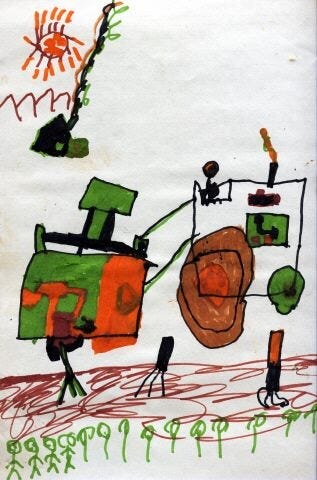
Mastelek Stumper

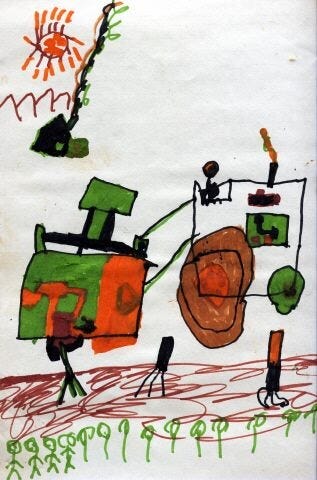
My dad famously invented a tractor powered tree stump remover that was damn good. He never profited out of it but I was impressed enough to draw a picture of it as a youngster.

My dad would eventually come & live with me in the last years of his life. He was diagnosed with Parkinson's and told me he did not want to die in pain like his own dad of the same disease. His last month was like that as he had lost the ability to speak. One day he was struggling to breath and an ambulance was called. They immediately rushed him to Fourways Life Emergency. When I arrived there, I was dressed in my work suit and tie. There was no-one at his bed, so I picked up the file at the end of the bed and started reading it. The emergency doctor came in and started relaying medical terms to me, most of it being gibberish to my ears. I nodded waiting for an opportunity to interrupt him. After about a few minutes, I realized he had mistaken me for the referring neurologist, who he had just requested be called. When he finally stopped speaking, I said to him this was my dad. Instead of drawing the conclusion that I was not the referring doctor but the son, he assumed I was both! He told me bluntly that we both knew it was terminal. I told him that my dad had told me he did not want to die in pain like this. The emergency doctor nodded, said he understood and said he would admit him to ICU, and have morphine administered. I said yes and immediately my dad was on a drip in ICU. I never corrected the misunderstanding with the emergency doctor.

I had morphine administered as well when I had broken my leg on the rugby field. It does wipe out the feeling of pain. My dad died within a few hours and that event was a relief. In the last moments of his life a set of co-incidents had occurred in a similar manner that had happened previously in his life, that made things better and he went without pain. If they day comes, I hope someone is around to do the same for me. as my morality is not to live life as a vegetable.

We buried my dad out of the Lutheran church in New Hanover. There were many people from the district who attended. My son Callum sat in the back of the church with his other grandpa Owen Hendry. The pastor started the service reciting in German the Our Father, which translates to Unser Vater. Callum turned in shock to his grandfather and said that the man had just said the word farter. The congregation packed out laughing. I am sure my dad appreciated the service.

Collapsed scrum

When I was sixteen, I lay on a rugby field in Bloemfontein and experienced the worst pain ever in my life. I was involved in a rugby injury at Grey College in which my leg was shattered into pieces over a rugby ball. Broken in twenty-seven pieces, the doctor later told me. A loose scrum had collapsed on me. Initially I tried to stand, only to see my leg at a right angle. I lay on the field in pain, clawing out tufts of grass with my fingers. They started bleeding. The coach came over to look and then phoned for an ambulance. My leg was in spasms. A kind-hearted teacher, whom we called Os, came over to inquire about how I felt. To Os’s shock, I swore. I was taken to Universitas Hospital by ambulance and administered morphine. Since I had just eaten breakfast, I lay in the emergency room for eight hours before having the operation to reset the bones in my leg. I would wear a plaster of Paris cast from my toe to my hip for sixteen weeks.

My medical expenses were paid for by the newly established Chris Burger fund. In the hospital, I have vague memories of several different visitors, but I was too drugged up to recognise or remember them. The Chris Burger fund was created to assist players injured while playing rugby. I always thought Chris Burger died on the field at the Free State stadium in the year that I started at Grey College, but in fact he died the next day in same hospital that I lay in two years later.

I was in same emergency room in which Chris Burger died and most probably had the same doctors. A loose scrum collapsed on him, just as with me. He died, I lived.

Oakvilla hunt

Along life’s path I have experienced pain and even witnessed traumatic deaths. Some are equally as bad and others even worse than my experience on the rugby fields of Grey College. These included very early encounters with people dying. I was there when we found the neighbour’s son drowned and at the bottom of a swimming pool. I also witnessed a worker on the farm breaking his neck and dying after being run over by a Reedbuck. On the farms in the Natal Midlands the sugar cane would be burned before harvesting. During these burns, workers would control the fires using large wet sacks attached to poles or mobile water tanks and pressure hoses. The cane fields contained large number of cane rats called ivondo and the burning cane would result in them beating a hasty retreat. As the Zulu workers considered them a delicacy, they would stand off at the edge and bludgeon them using knobkerries. I was standing off behind these workers when a Reedbuck emerged at full tilt into a worker. The Reedbuck was knocked off his feet but then regained its footing and ran off. The worker lay motionless in the grass.

None of these, however, equate to existing in a debilitating environment. Physical pain, although, extremely difficult to process is less of a problem to desensitize than psychopathic intimidation and manipulation. A person can make a conscious choice to remain in a less than optimal environment for personal gain. Is it worth it? When the loose scrum collapses in that environment, it is not a question of your life being lost, but your soul. Many people have lost their souls to cults and political parties or groupings such as my dad’s siblings and their entrapment in cults.

My dad would do the twelve hours round trip in a Mercedes 300D or Nissan 1400 bakkie so that I could attend Grey College and provided and paid for me to be educated at the University of Stellenbosch. He encouraged and wanted his children to attend University and my brother and I graduated at his insistence and encouragement.

Amundsen

My dad’s hero was Albert Schweitzer but mine is Roald Amundsen, the first human to reach the South Pole and the North Pole. I recall watching a documentary of Scott and his race to the South Pole where Scott succumbed, and Amundsen survived. It was in black and white, and we watched it on the Telefunken in the farmhouse. The documentary left a lasting impression.

Amundsen's expeditions benefited from good equipment, appropriate clothing, concentrating on the primary goal, an understanding of dogs and their handling, and the effective use of skis. He pioneered an entirely new route to the Pole and successfully returned.

In Amundsen's own words:

“I may say that this is the greatest factor, the way in which the expedition is equipped, the way in which every difficulty is foreseen, and precautions taken for meeting or avoiding it. Victory awaits him who has everything in order, luck, people call it. Defeat is certain for him who has neglected to take the necessary precautions in time; this is called bad luck.”

He was one of the most meticulous planners in the era of explorers. He was extremely detailed in the way he made certain he had the right equipment and it worked. Amundsen was meticulous about his inventory and tested and made sure all his equipment was workable. He also made sure that all his team members were familiar with using the equipment.

Amundsen's integrity was also without question. He correctly recorded his journey's and unlike others, namely Cook and Peary, he did not make false claims about reaching the North Pole. He is a role model about keeping to the facts and not making subjective assessments.

The person who competed with Amundsen as mentioned to reach the South Pole was Scott. Scott's expedition was tragic. Scott was ill prepared and a romantic. Although I have empathy for Scott's bravery and idealism, Amundsen is the man to be most admired.

The lesson here is that there is no time to learn the trade or tools required while working or delivering on a task. You should have practised or simulated the tasks to be performed well in advance. Your luck depends on being well prepared and organized upfront, just like Amundsen.

I would not be a polar explorer but have a career involving computers. In dealing with technology, the human component is often underestimated, and I have modelled my interactions against those of Amundsen.

Fruit fight

My brother’s favourite story about our childhood was when our parents decided on taking a holiday to see the Namaqualand flowers. It was during school term, so they dropped us off at the cousins who went to the same school, Wartburg-Kirchdorf. On a weekend we became involved in the mother of all fruit fights which we all thought was awesome fun. That night at the supper table, our uncle Hogart Joosten said grace and then encouraged everyone to repent for their sins. This was a ritual they did as being part of the Kwasizabantu cult. My brother and me sat at the end of the table and stared in disbelief as each of our cousins ratted us out about the fruit fight. Somehow that was a sin. When it was my brother’s turn, he said he had nothing to say. Feeling I had to support my brother I stood up and declared while showing my biceps, “We are Amastelek!”. Mastelek was my dad’s given Zulu name, which means the strong one. I grew up believing this was his real name. It was a shock when I discovered it was not. It was a greater shock when I discovered my own name was not BB. This happened at my first day of school when I ignored the teacher, Miss Hopkins, who called me Ronald.

Hogart Joosten would be the treasurer at Bible House and an ardent support of Stegen at Kwasizabantu. Many of his children would integrate themselves into being lifetime adherents of the cult.

My dad’s expertise in growing the best cabbages and potatoes in the district was largely recognized by all and sundry. He had a knack for it. My dad was one of the best farmers or a Boer as they would say in Afrikaans. I am not a Boer. But I am now Mastelek.

Ronald Bartels | LinkedIn | Instagram
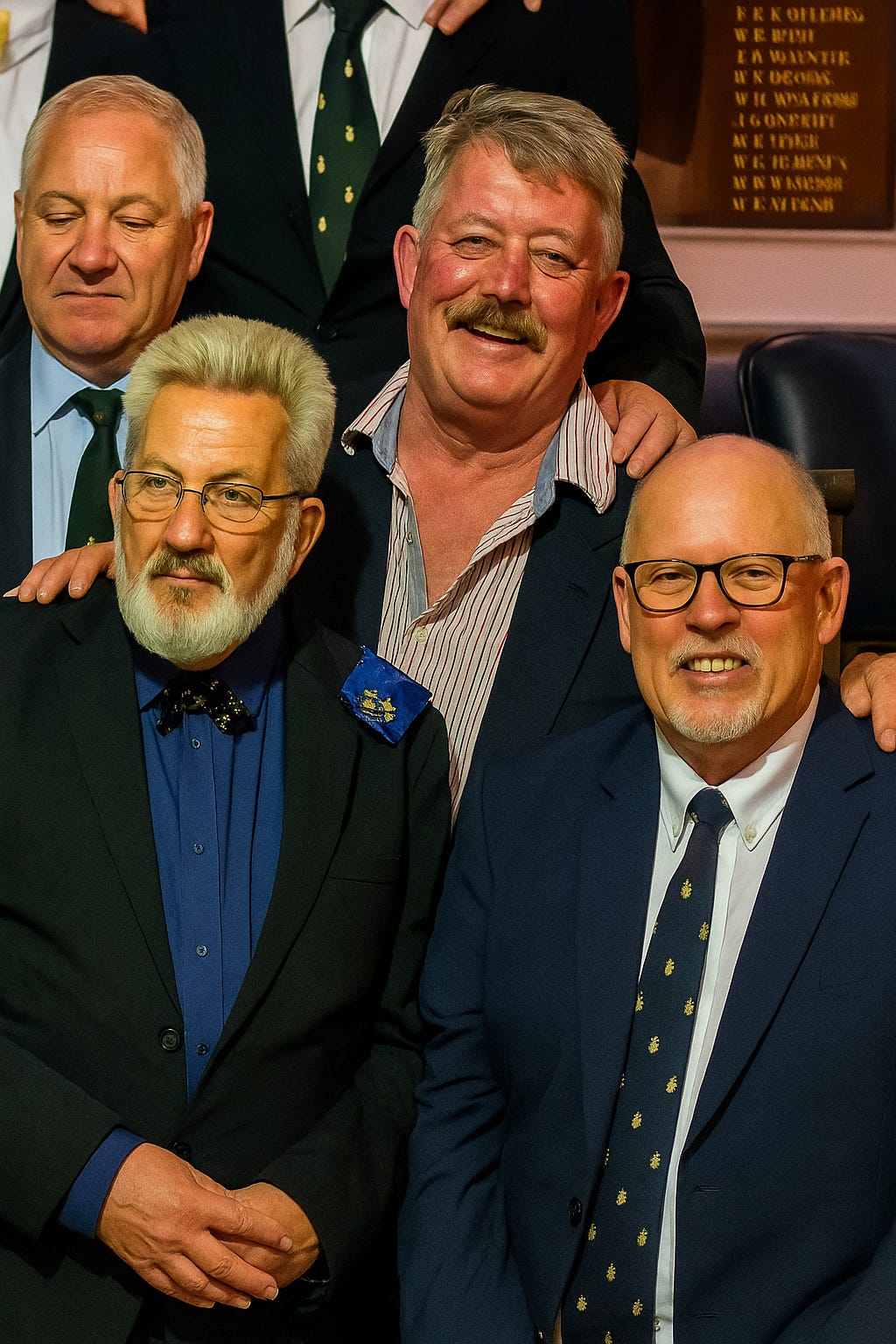
A journey between our world of truth & myth

In the sacred mountains of the Dragons, where springs murmur secrets to the age stained rocks, life unfurls like a flowing stream's whisper crests rising in jubilation, troughs torturing by pain. Journeys of undulations, bodies etched with the tattoos of victory's kotinos and defeat's harsh branding iron, moaning under the burden of shackles unseen, rejoicing in the fleeting flame of an awakening dawn.

Pause by the babbling vein of the earth, its waters born in mist-shrouded heights, meandering through valleys scarred by time’s sand, where ancient Wild Fig trees stand sentinel, roots delving deep into the granite soil's memory. It twists and turns, a Leguaan of silver, soaking into the thirsty ground, vanishing like forgotten dreams, only to rise again.

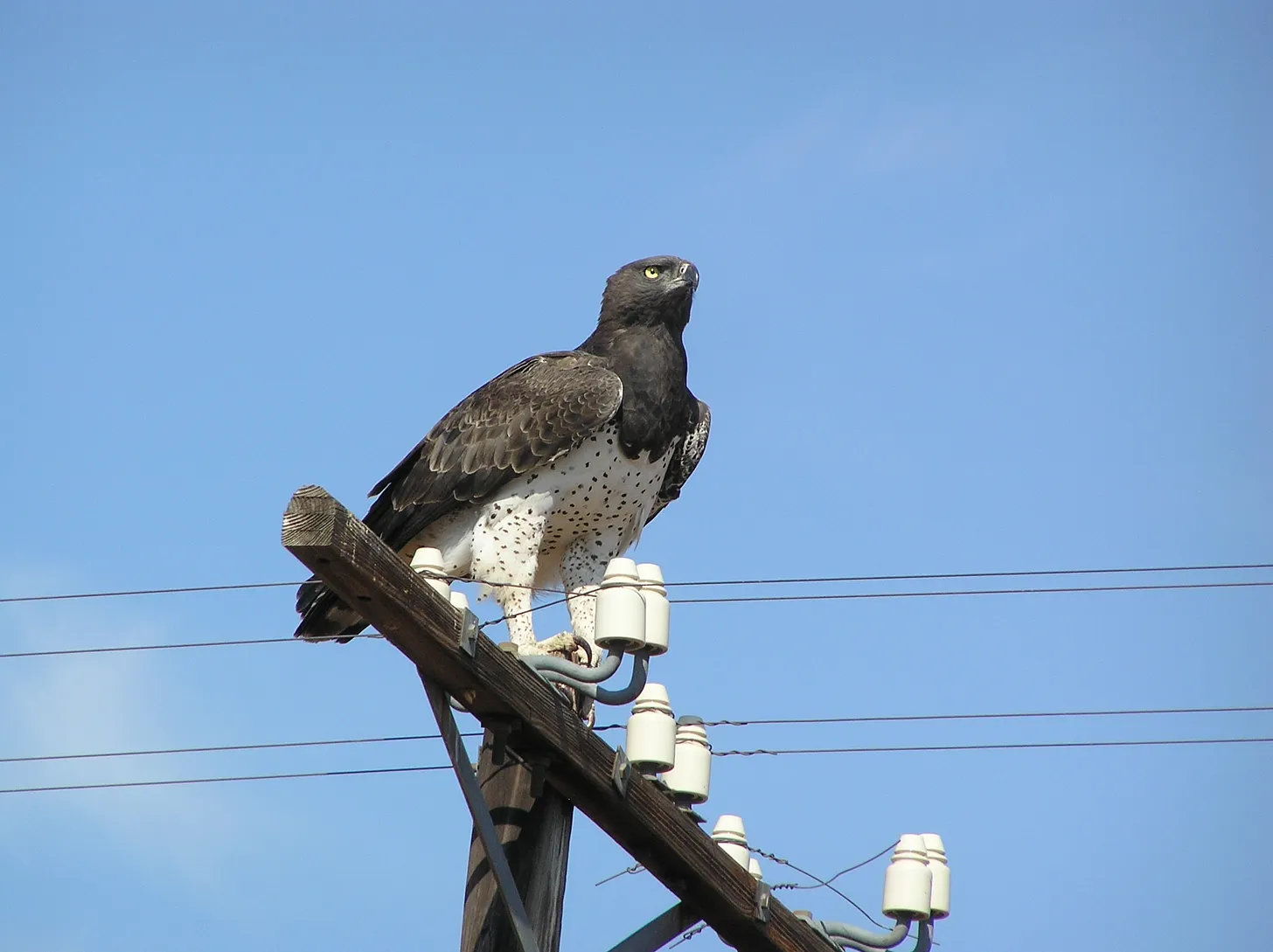
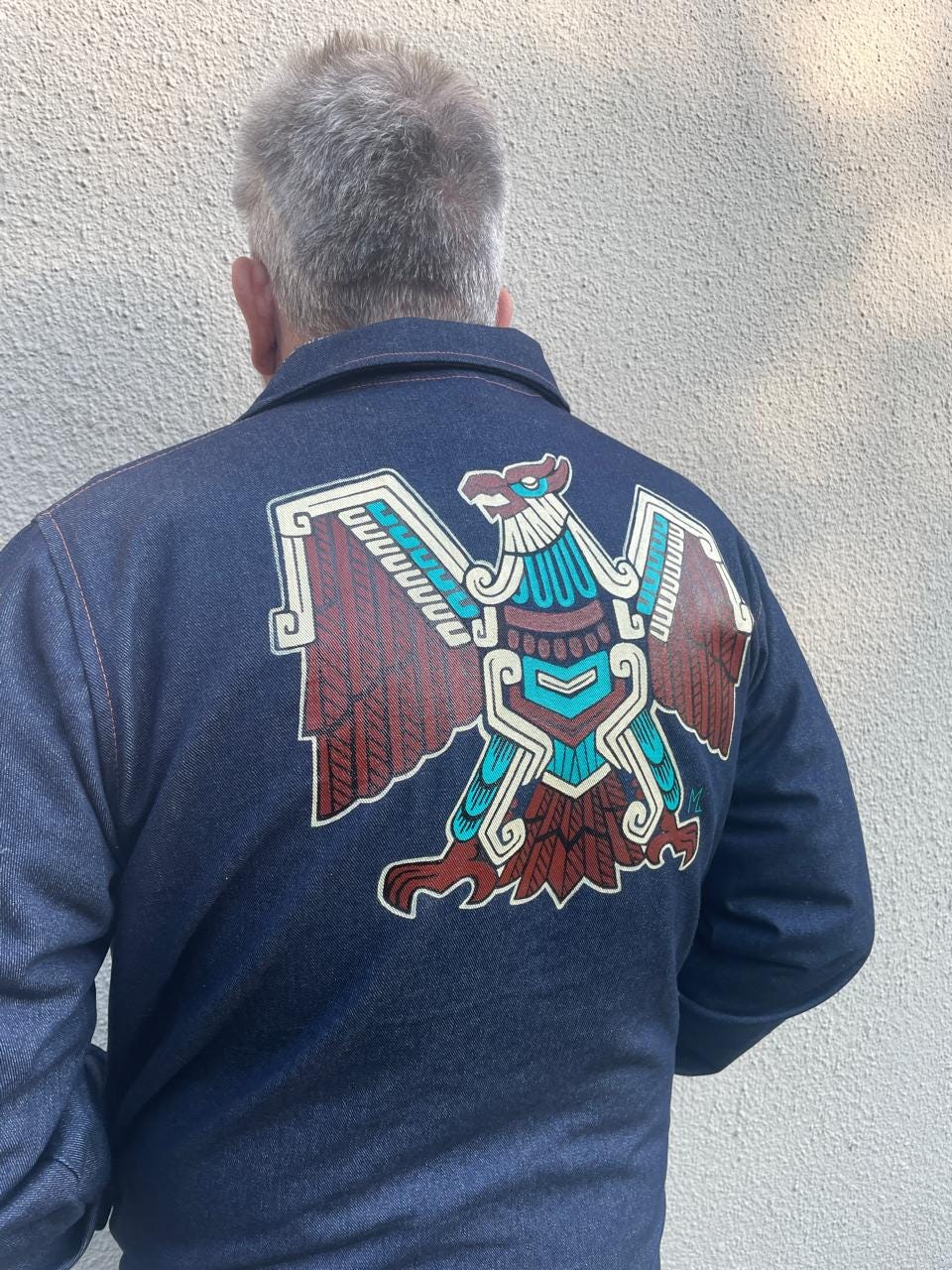
Ah, but water knows no limit, part of an endless cycle, gathering in clouds where angels hover, veiled in vapor, bridging the chasm between flesh and fantasy, the seen world and the soul's wild imaginings. The heavens weep their bounty onto parched lands, pooling in hollows like tears in a lost lover's eyes. Then comes the sun, lazy at first, a leopard stalking then hunting, a martial eagle launching from shining copper lines, drawing the steam upward in spirals, back to the celestial loom where threads are rewoven.

So too our hearts: swells of joy that crest and break, valleys of sorrow that erode canyons in the spirit. Pain blooms like Leonurus in the drought, fierce and fleeting; happiness dances like Reedbuck on the hill slope grass. Win and loss entwine in this relentless rhythm, a cycle unbroken, from mountain to mist and back, reminding us: in the ebb and flow, we endure, Our breathing souls, resilient as the eternal stream.

~Roald Bartholomew

Ronald Bartels | LinkedIn | Instagram
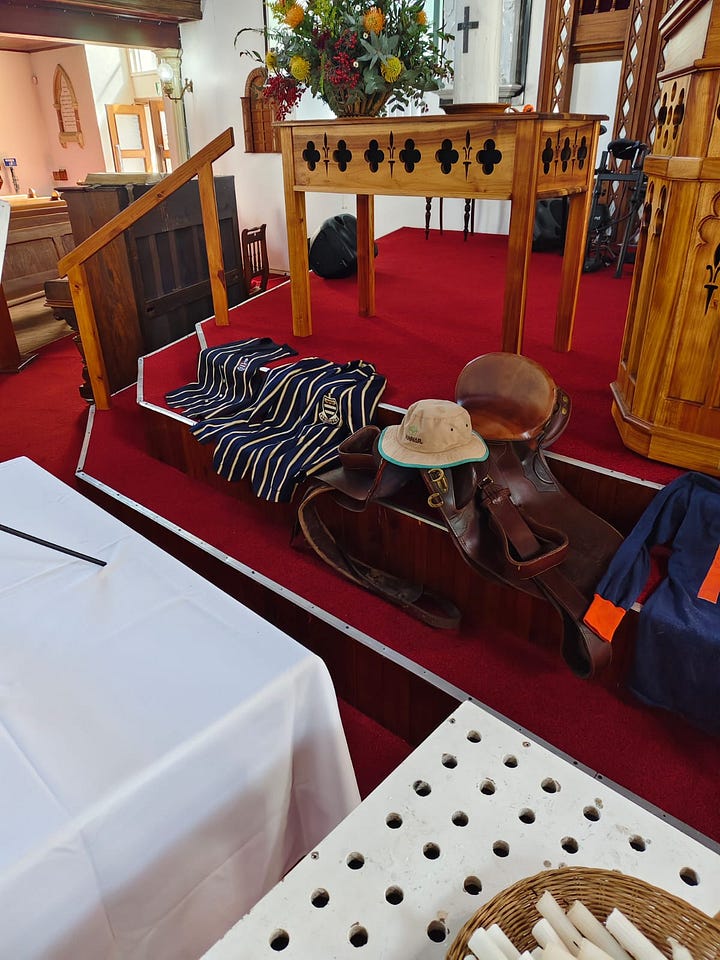
And some HTFU

The seasonal summer sun was already making its presence known early. eddy & I were accelerating down Stampede Hill. A few years earlier, when I started riding again more regularly, I’d be on the brakes down hills. Now I don’t touch them. I crank as hard as I can in the top gears, addicted to the speed, no fear.

It’s like life. The more you experience something, the more comfortable you become taking risks. Push the limits. I actually look forward to the rush. The scream. The joy. The speed. The Need for Speed. Never touch the brakes.

And on eddy, in the Cradle of Humankind, that’s the perfect thing. It’s clean. It’s joy. And if that means leaning into a corner on the apex & nearly ending up in the bushes on the exit, then so be it.

As I approached the P-Ness circle I needed a pitstop. I propped eddy up against a road sign & went into the nearest clump of trees. There in the shade was a paintbrush, a beautiful indigenous flower. I had a pee while admiring my botanical companion.

After nature’s call I mounted eddy, but not before snacking on a few mulberries. They were still in season.

Going past Nirox I saw a beautiful Pamela Anderson look-alike runner. She was a blonde banger, & images of her running down the beach to rescue me filled my head. I rode straight into a pothole. eddy’s titanium wheels didn’t flinch. The seat thumped into my crotch.

I groaned. Instantly all Pamela Anderson images were removed.

Up ahead was a peloton. I cranked to join. The last guy had a shirt that said HTFU.

I levelled next to him and said hello.

“BTW,” I asked, “what does HTFU mean? Is it a company?”

“It means Harden The Fuck Up,” he replied nonchalantly.

I grinned.

I stayed with the peloton all the way to Mike’s van. In a peloton there is no time to let the mind wander. No meditation. You need to look at the road, the wheels, the cadence, the signs from the guys up front showing potholes or runners. I concentrated & cycled.

At Mike’s van I dismounted. Then came the second vision of the day, a young lass in a half-transparent white cycling top. My jaw dropped.

“Perky whites” I ordered from Mike.

“Sorry, no flat boobs.”

“Shit, just give me my normal order,” I told Mike. He pissed himself laughing.

Anyhow, we both forgot that I had to pay. But he quickly gained his composure & rapidly waved his Yoco in the air, saying, “Hey, come back!” Money talks.

The way back was less notable. There was no peloton. I dodged the boemelaars, and one notable guy who smelled as bad as the porcupines from Oakvilla. Heck, those things stank from close up. Sies! As bad as the unwashed dagga smokers. Nooit.

There was even some time for meditation. eddy I said, Megs sent me a podcast about a guy talking about the history & reasons behind financial bubbles as well as the upcoming AI one.

eddy, let loose one almighty raspberry. A long extended one to make known his feelings about some of our homo sapiens quirks.

Well, you rude old bliksem. I admonished. The thing I remember was the narrator mentioning about how an Auschwitz survivor wrote in his book how he could see another prisoner would die within seventy two hours as they visually lost the will to live.

You see eddy, we all need a purpose to survive. Something to cling to & make us live.

You are right, Mastelek. We all need to find & cling to things that provide us the nutrition for life.

I stopped at the wetland at the bottom of Stampede Hill to listen to the bird symphony. As I mounted, the peloton zoomed past. They hit Stampede Hill & I was behind them.

“eddy,” I said, “this is it. We’re going to drop them.”

I knuckled down. I levelled up to the last guy. It was that same guy with HTFU on his shirt.

“Harden the Fuck Up,” I said as I zoomed past. I could see him hit the wall right then. He was done. I dropped all of them, & as I cleared the peloton I saw two more victims 20 metres ahead.

“Time to dig deep, eddy. We need to haal uit en wys!” We cranked & worked the pedals.

Near the crest we went past them. But my lungs were burning & my body was seeking an energy boost.

As I rolled into Bidon I stopped at the kiosk counter & sank an iced Coke. I needed that spike for energy.

The speakers at the counter were blaring Elvis. Always on my mind.

“Good ride, eddy. Good ride.”

At the car a rooster was standing there crowing his head off at me.

“You know, eddy, the old cock has just reminded me that we totally forgot about doing the penis salute at the field opposite Nirox.”

“That was because you were distracted by Pamela Anderson,” said eddy.

Damn, that bicycle. I cannot pull the wool over his eyes.

From school, to university & the spoorweë

Gordon was the kind of guy who could turn a quiet Tuesday into a full-blown catastrophe, and somehow, I was always along for the ride. From our school days at Grey College to university and into the working world, he was my roommate, my partner-in-crime, and the perpetual spark to my collateral damage. The road we trod together was long, winding, and unforgettable—paved with equal parts mischief and madness.

At Grey, Gordon was the cheeky Engelsman, always pushing boundaries with a grin that dared trouble to follow. I, unfortunately, was often caught in the crossfire. One minute we’d be sneaking out of the hostel for a late-night adventure, the next I’d be explaining to a furious housemaster why we were covered in mud from the rugby fields. His charm got us out of most scrapes, but not without some pakslae for me.

Our university days were no less chaotic. I’ll never forget the road trip to Cape Town in my beat-up baby blue Volksie Beetle. He insisted on the “scenic route,” which translated to endless detours through dusty backroads, with the car wheezing like it was on its last breath. We laughed, sang, and argued over directions, arriving in Cape Town half a day late, sunburnt, and smelling faintly of petrol. It was quintessential Gordon—spontaneous, reckless, and somehow perfect.

Then there was the Mazda 323 incident. I’d upgraded my wheels, proud of my shiny new ride, only for Gordon to christen it in the worst way possible. After a particularly rowdy party, where Gordon—true to form—picked a fight with the biggest Boer in the room, things escalated fast. The guy was a mountain, and Gordon’s taunts were like poking a bear with a stick. A few drinks deep, I foolishly stepped in, aiming an overhand right at the guy’s chin. He stepped back, and my fist thudded uselessly into his chest. He laughed—a deep, mocking rumble—and I thought, This is not going to end well. Thankfully, a mate from our university digs, a Springbok wrestler no less, swooped in and tossed the guy around like a sack of potatoes. Gordon, of course, claimed victory. The real casualty? My Mazda, which Gordon plastered with vomit on the drive home, unable to roll down the window fast enough. That smell lingered for weeks.

Work didn’t slow him down either. Gordon was a party magnet, dragging me to countless bashes—Sun City, Mango Groove, Peter Gabriel, and others now lost to the haze of time. One blurry night, we took a bus back from some concert, stumbling home in the early hours, laughing so hard we could barely stand. But the standout was the psychedelic nightclub in Braamfontein. Gordon insisted we check it out, raving about the funky graphics projected on the skyscraper next door. I walked in, grabbed a beer, and leaned against the bar, only to realize the place was wall-to-wall drag queens. I stood there, sipping slowly, processing what I’d been dragged into, when a voice behind me purred, “Hello, Ronald.” I turned to face a figure dressed like a peacock, with more makeup than Elizabeth Taylor in Cleopatra. It was Wayne Samson, a year behind me at Grey. I managed a polite nod, found Gordon, and bolted.

Gordon’s wild streak peaked at his bachelor party, thrown by the commune he called home in Joburg. They picked a strip club, naturally, and the night descended into chaos when Gordon was dragged on stage during an act involving soap, a bucket, and a sponge. Handed the sponge, he fumbled, missing the bucket entirely. In true Gordon fashion, he grabbed the bucket and dumped its soapy contents over the stripper. She was not amused. We were bounced out in record time, and I drove him home to his fiancée, who forever after saw me as “that friend” who got her husband into trouble. The irony? It was always Gordon leading the charge.

Gordon found the love of his life in that commune, and while his antics never fully stopped, they softened around her. Our paths diverged, but those years with him—through school, university, and beyond—were a masterclass in living loudly. He was trouble, sure, but he was my trouble, and I wouldn’t trade those memories for anything.

The Rocky Horror Night | A Glittering Disaster

Gordon’s Joburg commune had a knack for turning any event into a spectacle, and their plan to attend a Rocky Horror Picture Show theater production was no exception. They declared that dressing up was compulsory, and in true Gordon fashion, the memo reached me late. With no time to cobble together anything elaborate, I went as Rocky—clad in nothing but a golden Speedo. My body was more youthful then, lean and passable for the role, but it was a practical choice born of necessity rather than vanity. It was also a brutally cold night, and I spent most of it shivering, my bravado barely holding up against the Joburg chill.

The theater was a riot of fishnets, corsets, and glitter, with Gordon and the commune crew fully embracing the chaos. I felt exposed but played along, strutting through the crowd to hoots and cheers, the golden Speedo catching every light in the place. The show itself was a blur of campy songs and thrown toast, but the real madness kicked off afterward at the commune’s pub.

Back at their hangout, the night took a turn for the absurd. As we drank and laughed, a stolen stop sign, one of the commune’s prized wall decorations, decided to make its exit from the wall and landed on my head with a clang. It nearly knocked me out, leaving me dazed and the room roaring with laughter. Shaking it off, I leaned into the night’s anarchy and stole a kiss from one of the girls in the group. A few moments later, in a twist no one saw coming, she toppled backward down a flight of stairs. Her friends rushed her to the hospital, and I stood there, half-naked and half-stunned, wondering if I’d somehow jinxed the night.

As if that wasn’t enough, the commune decided to cap things off with fireworks. Someone lit a rocket, but in true commune fashion, it wasn’t secured properly. It tipped over, launched sideways, and blasted straight into the neighbor’s lounge. The explosion of sparks lit up their living room like a disco ball, and we could hear the shouts from next door. By the time the police rolled up, dawn was creeping over the horizon, painting the sky a faint pink. I took one look at the flashing lights, my golden Speedo, and the chaos around me, and decided it was time to call it a night. I slipped away, leaving Gordon and his crew to deal with the fallout, my teeth chattering as I made my way home.

Trouble with Matt

My mate Matt had a knack for stirring up trouble, outdoing even Gordon in his wild antics. He’d rally everyone to the Pig & Whistle, where we’d claim a table and settle in for the night. Matt was loyal to Castle beer, peeling off each bottle’s label and sticking it to the tabletop. The night wasn’t over until the table was a mosaic of discarded labels, a testament to his stubborn dedication.

Beyond the pub, Matt was a fearless climber. He’d fake a leap out of windows, only to reveal he was clinging to the ledge when you rushed to check. It was heart-stopping, especially on the 10th floor. At Intervarsity, he’d scale the roof, swinging one-handed above the crowd, waving like a madman to the cheers below.

His VW Beetle was another source of chaos, its battery always on the fritz. Push-starting it was routine, but one day things went sideways. Matt, in typical fashion, leapt onto the bumper as the engine roared to life. The driver—another mate—saw his chance and swerved hard, trying to shake him off. It worked too well. Matt flew into the gutter, hitting hard enough that we knew a hospital trip was in order.

We sat in the emergency room, Matt on a bed with the curtains drawn, the mood heavy as we mulled over the consequences of his fall. The silence was thick—until we overheard the guy in the next bay. He’d injured his penis, of all things. Apparently, in the heat of the moment with his girlfriend, he’d tried to dive onto her, missed the bed entirely, and landed square on his erection. There’s got to be a medical term for that kind of disaster.

I couldn’t help but shudder at the thought of that pain, but part of me wanted to collapse in laughter. Suddenly, Matt’s sprains and bruises seemed like small potatoes in comparison.

Ronald Bartels | LinkedIn | Instagram
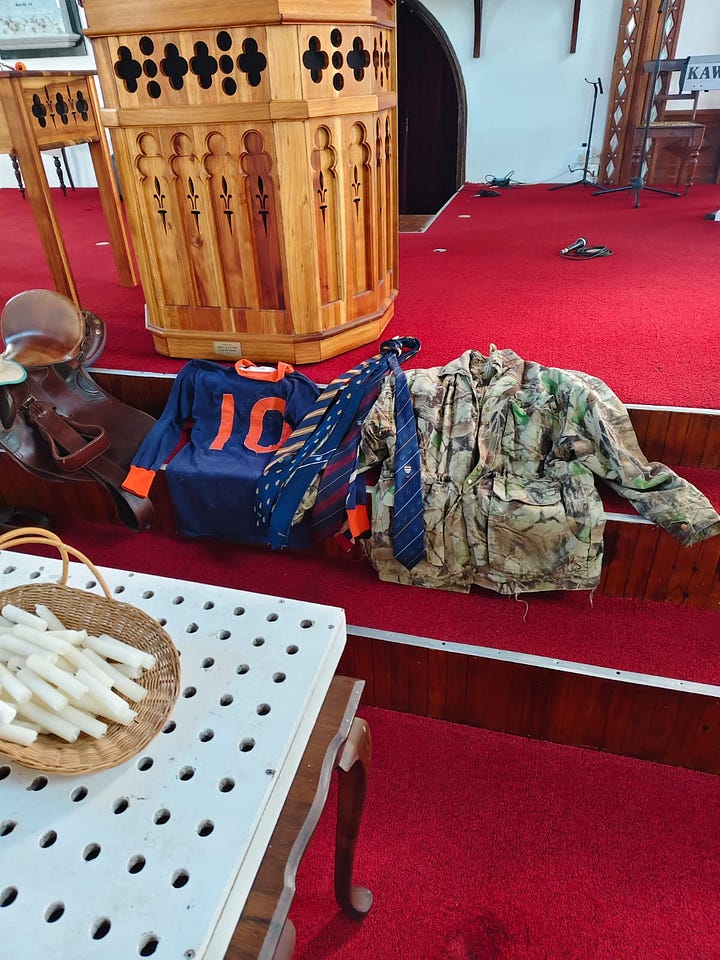
It doesn't matter if you crash & burn!

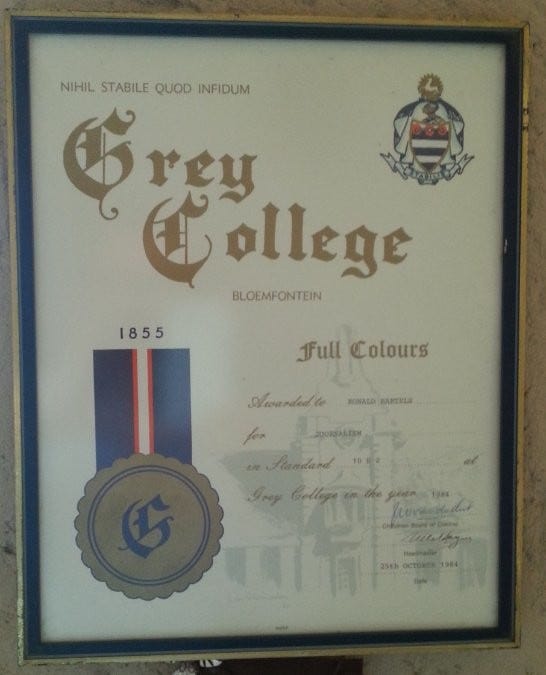
October is the month of my alma mater’s birthday. Grey College, my alma mater, is a school located in the Free State of South Africa. A few years ago I went with my family to a class reunion and showed the boys around the school grounds. In the main Reunie Hall I was pointing out all the Springboks the school had produced. The boys asked what year I had been at the school and I said 1984. They disappeared for a while and I sat on the steps. A short while later they returned in great excitement. My name was on a board in the hall. I’d never seen or looked for it, and yep there it was! It was on the board for journalism and academics, and writing was something I stopped when I left school. They boys were more impressed by my name than that of any Springbok!

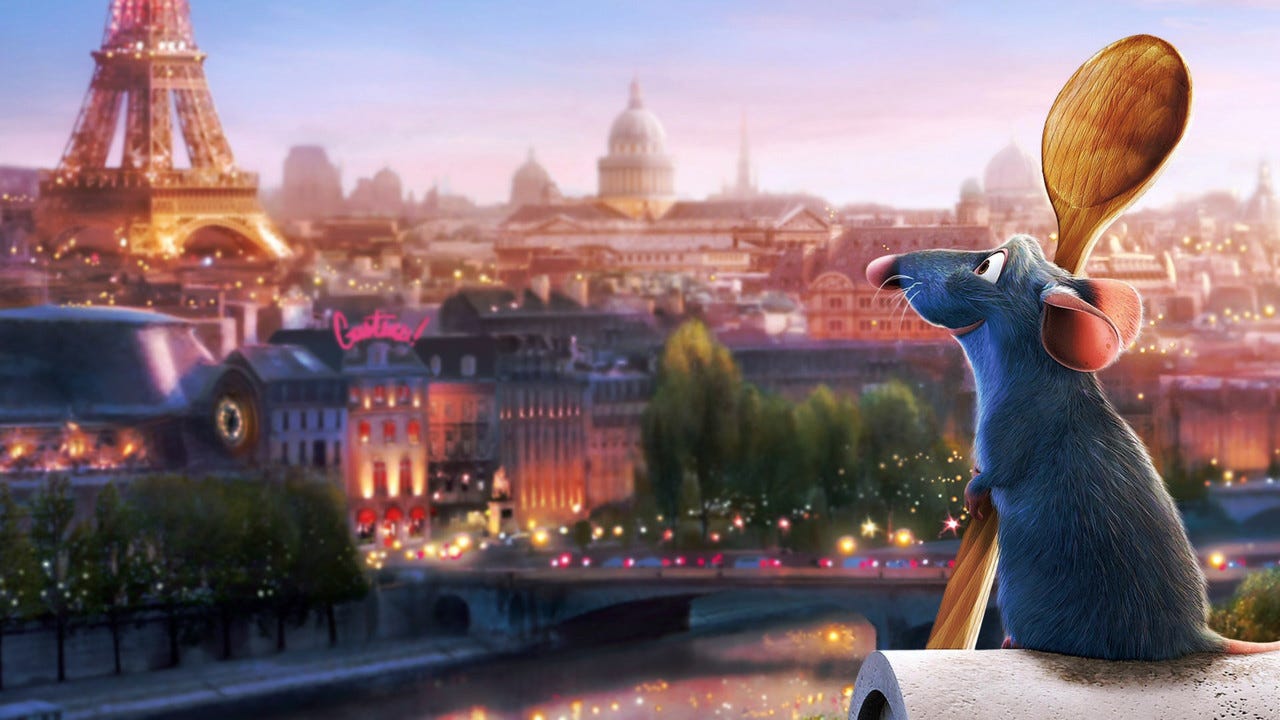
A short while later I went with my family to see the movie Ratatouille. This is the story of a rat, Remy, who wants to become a chef. He eventually encounters a food critic, Anton Ego, a.k.a. the Grim Eater. This critic has made a lifelong career in undermining the efforts of others but in the end he admits that no matter how mediocre the offering, it is still tangible and laudable compared to his criticism which is intangible and worthless. In life there there are too few Remys and too many Antons.

I often feel that my ideas are shot down in flames. This is depressing and as a result reluctance creeps in to be innovative.

After seeing Ratatouille I have found new enthusiasm to start and complete initiatives regardless of the critics. I then also started writing again, because of a rat...

Ronald Bartels | LinkedIn | Instagram
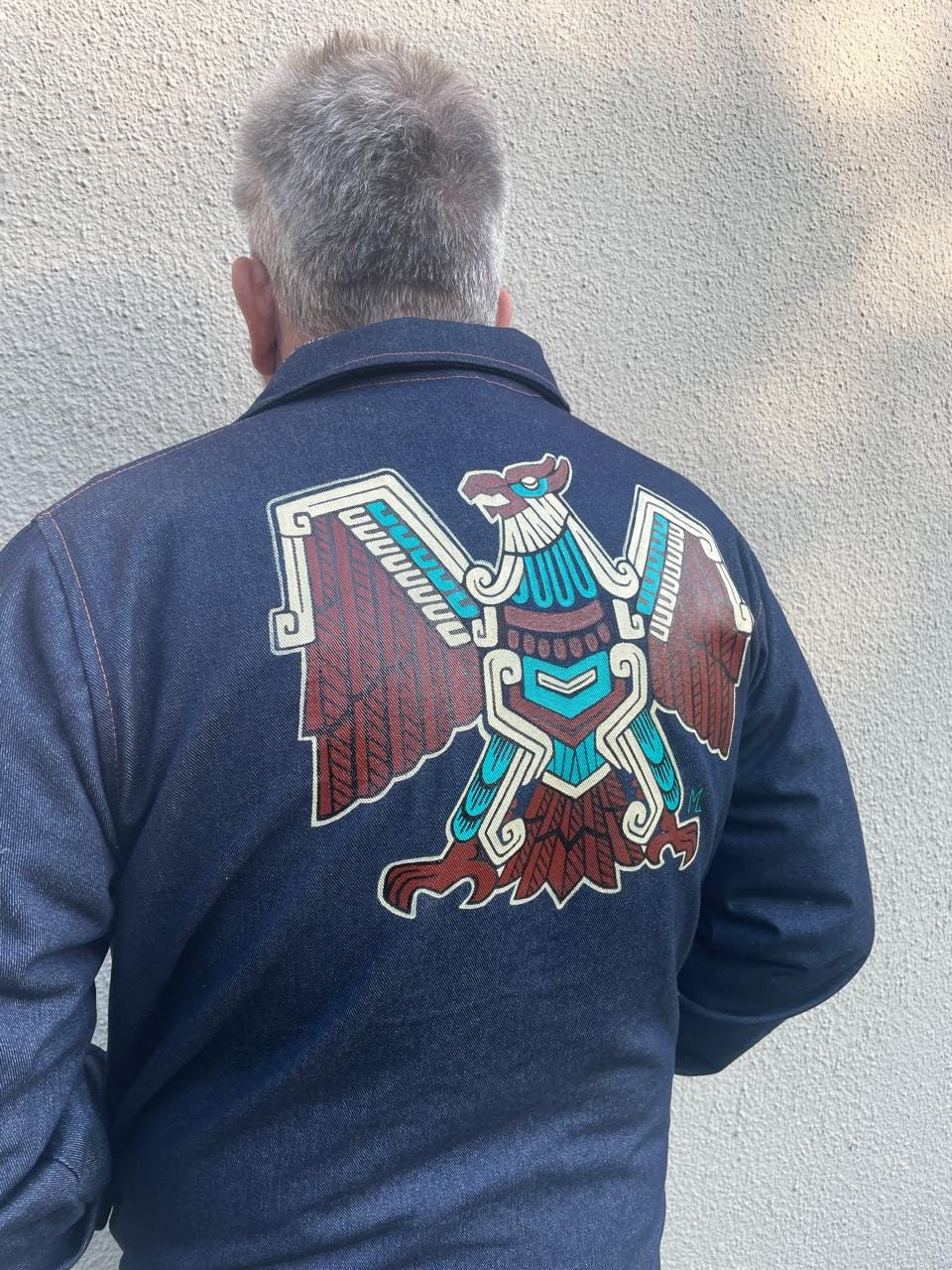

Lessons from Going Over the Handlebars

Life, much like a challenging bike ride, is full of unexpected obstacles—dongas, potholes, or even a set of stairs you didn’t see coming. Personal failures, whether physical, professional, or emotional, can throw you off balance and send you crashing. Drawing from a series of cycling mishaps and their parallels to life’s setbacks, this article explores how to handle personal failures with resilience, grit, and a willingness to climb back onto the saddle.

The Pain of the Fall | A Personal Tale of Cycling Mishaps

Cycling along the Spruit near Delta Park, I hit a donga—a rut caused by erosion—and was thrown over the handlebars. Landing with my full body weight on my shoulder, I dislocated it. As I stood up it snapped back into place. Eina. I tried to cycle back to my car but instead within a few seconds realized I had to walk. At the car I loaded my bike with one hand and realized that with pain and one hand I could not drive the car. I called for an ambulance. The paramedics arrived, not before driving past first with me unable to wave them down. They then double backed to find me as I went and stood in the middle of the road. They administered morphine, and rushed me to the emergency room. X-rays confirmed no broken bones, but my ligaments were severely strained. The doctor’s advice? “Man up, at least you were having fun when it happened.”

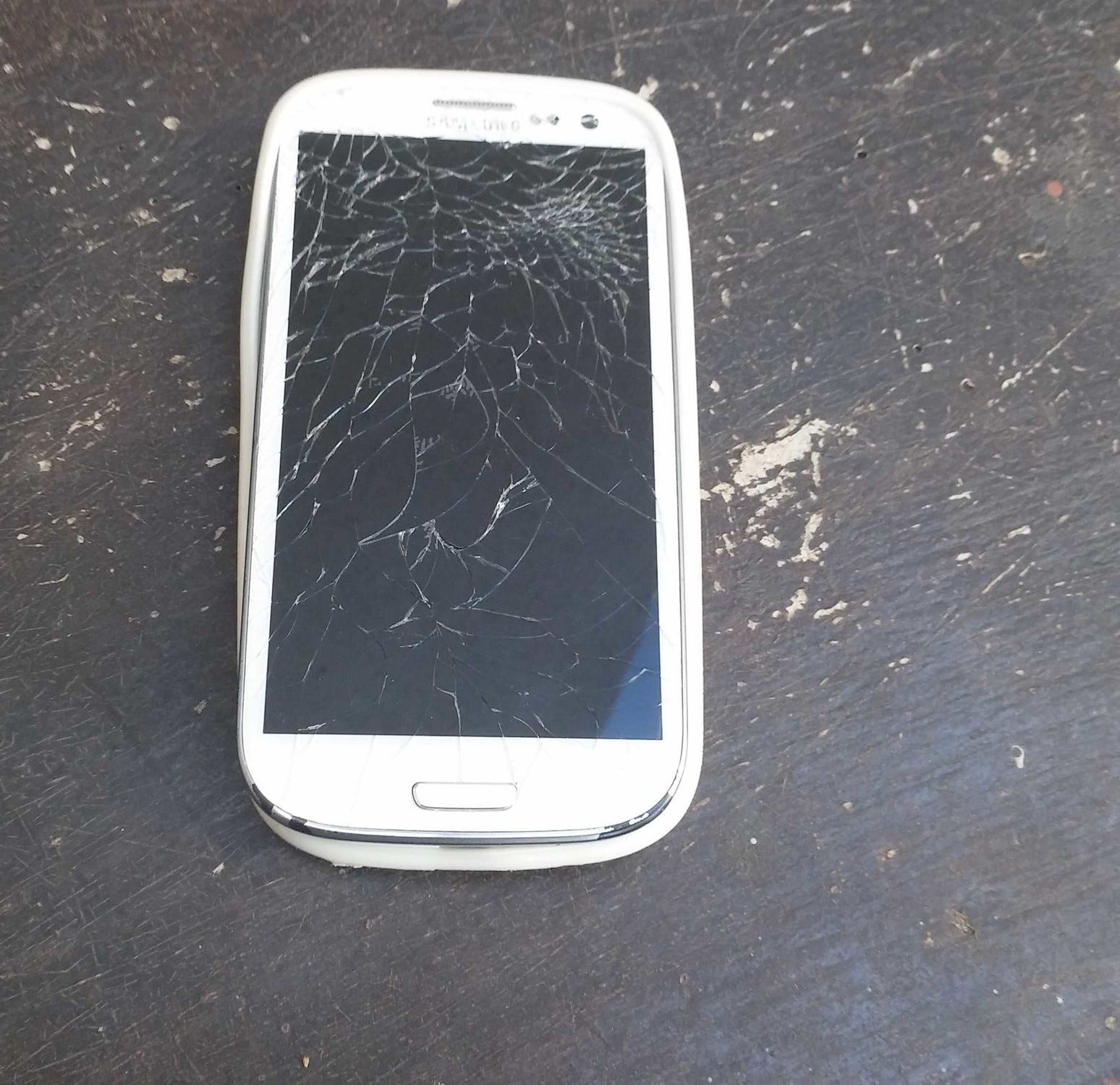
This wasn’t my first tumble. Years ago, while navigating a flooded stream along the Spruit, my front wheel hit a hidden pothole. Over the handlebars I went, destroying my trusty Samsung S3 in the process. That phone, solid and reliable for four years, took the brunt of the fall. I picked myself up, climbed back onto the saddle, and kept going.

Another time, on holiday at the Durban promenade, I misjudged a path that turned into stairs. Crashing down, I cracked my ribs and broke two fingers. Despite the pain and humiliation, I straightened my fingers, got back on the bike, and cycled to meet my sons at the car. The embarrassment stung worse than the injuries, but I kept moving forward.

Then there’s my mate, Brian Ortner, whose own over-the-handlebars moment was captured by a film crew and a GoPro. He broke his hand but, like me, learned that falling is part of the ride. Even my most painful experience—shattering my leg during a rugby game at Grey College, which kept me in plaster for 16 weeks—taught me that setbacks, no matter how severe, don’t define you.

Lessons from the Crash | Strategies for Handling Failure

Each of these incidents mirrors the personal and professional failures we all face. Whether it’s a physical fall, a job loss, or a project gone wrong, the principles for dealing with failure remain the same. Here’s how to navigate life’s dongas and get back on the saddle:

1. Grit Your Teeth & Get Back On

The #BestAdvice for handling a fall—whether on a bike or in life—is to get back up immediately, provided your injuries (or circumstances) aren’t debilitating. When I dislocated my shoulder, I couldn’t drive due to the pain, but in less severe cases, like the Durban promenade crash, I forced myself to keep going. At work, this translates to not dwelling on a failure. If you’re fired, retrenched, or face a major outage, act swiftly: apply for a new job, start a business, or implement a workaround. Delaying action only deepens the rut.

2. Assess the Damage, But Don’t Obsess

After a fall, check yourself and your bike. Is anything broken beyond repair? In my case, my Samsung S3 was a goner, but I was fine to continue. Similarly, after a personal or professional failure, take stock of what’s lost—time, resources, or confidence—but don’t get stuck analyzing the wreckage. Root-cause analysis can come later. For now, focus on what’s still functional and how you can move forward.

3. Embrace the Humiliation

Falling in public, like my tumble down the stairs in Durban, can be mortifying. People stared, and I felt foolish, but I got up and kept going. In life, failures—whether a failed project or a public mistake—can bruise your ego. Acknowledge the embarrassment, but don’t let it paralyze you. As the doctor implied, sometimes you just need to “man up” and keep riding.

4. Learn from Others’ Crashes

Watching Brian’s fall on video or hearing about others’ setbacks can put your own failures in perspective. Everyone goes over the handlebars at some point. Sharing stories of failure, like my rugby injury or Brian’s broken hand, builds camaraderie and reminds us that setbacks are universal. Seek out mentors or peers who’ve faced similar challenges and learn how they recovered.

5. Know When to Pause

Not every fall allows an immediate return to the saddle. My recent shoulder injury required an ambulance, and my rugby injury sidelined me for months. In life, some failures—like a major health crisis or a significant financial loss—require time to heal. Recognize when you need to step back, seek help, or repair what’s broken before moving forward.

The Bigger Picture | Failure as Part of the Ride

Cycling, like life, is inherently risky. You can’t avoid every donga, pothole, or staircase, but you can choose how to respond when they throw you off. The pain of failure, whether it’s a dislocated shoulder or a shattered career goal, is temporary. What matters is your ability to climb back onto the saddle, even if it’s with gritted teeth.

As I reflect on my cycling mishaps, I realize they’ve taught me resilience. The Samsung S3’s demise didn’t stop me from riding, nor did broken fingers or a dislocated shoulder. Similarly, professional failures—whether a missed deadline or a job loss—don’t define your worth. They’re just part of the ride.

So, the next time life throws you over the handlebars, take a deep breath, assess the damage, and get back on. The path ahead is still yours to conquer.

How you should go down stairs

Ronald Bartels | LinkedIn | Instagram
A Parrot, a Prank, & a Lifelong Mate

In the annals of schoolboy lore and university hijinks, nicknames are forged in the fires of absurdity, loyalty, and the kind of mischief that binds mates for life. Mine? “Jim.” It wasn’t born from some half-arsed rugby tackle or a dodgy haircut—though God knows I had plenty of those. No, it traces its raucous roots to a feathered fiend named Jimmy, my mother Lenore’s African Grey Parrot, and the unlikeliest of accomplices: Grant Joseph Paola, my partner-in-crime from Grey College in Bloemfontein to Maties in the dorp of Stellenbosch.

Grant and I go way back, two laaitjies lost in the Free State’s flat expanse, surviving the rigors of Grey’s iron-fisted regime and later chasing sun-soaked freedoms at varsity. He was the bold one, always scheming, with a laugh that could shatter glass and a penchant for chaos. Picture this: a Lebanese lad with a devilish grin speeding down the road at my parent’s place in Howick, then moered off my motorbike—yanking the front brake sending the rear wheel skyward. It was like he was auditioning for Evel Knievel, and as a result injured himself so badly he hobbled around for a week, all the while bitching about never riding another motorbike again. I suppose I should have told him to pull the rear brake rather…

But it was during one of those visits home that the real magic—and mayhem—unfolded. Grant rocked up, all energy and cheek, and Lenore, ever the gracious host, introduced him to Jimmy. Now, Jimmy wasn’t just any parrot; he was a bloody virtuoso. This African Grey could mimic anything: the tinny chatter of the TV newsreader, the grandfather clock’s solemn bong-bong, the raucous caw of wild birds, the revving growl of cars, the wail of sirens slicing through the night. And humans? Forget it. He’d nail your voice down to the timbre, throwing it back at you mid-conversation like a feisty echo.

But Jimmy’s pièce de résistance? His love affair with celery and carrots. Hand him a stick, and he’d clutch it in his claw, wave it triumphantly like a scepter, and croak in that gravelly, impeccable accent: “Thank you!” Grant was hooked. He spent hours perched by the cage, feeding the bird treats, laughing till he cried as Jimmy serenaded us with siren wails or clock chimes. “This guy’s a legend,” Grant declared, eyes wide. And just like that, eyeing me with a wicked glint, he dubbed me Jim. After the parrot. It stuck like superglue—first as a piss-take, then as an inside joke that echoed through dorms, rugby fields, and beer-soaked Maties nights.

The twist? It nearly got us both expelled—and cemented the name forever. One Sunday night at Grey, with curfew looming like a guillotine, Grant sidled up in the hostel. “Oi, bru, come with. We’re hitting Eunice.” Eunice Girls’ Hostel—the forbidden fruit, the siren call for every hormone-riddled Grey boy. Sneaking in was verboten, a cardinal sin punishable by the wrath of the housemasters. But Grant’s grin was irresistible. I tagged along, hearts pounding, scaling walls in the moonless dark like amateur ninjas.

We made it inside, trying to find our way down the dark corridors but then busted. The house mistress materialized like a ghost, her face thunderous under the dim hall light. “Names! Now!” Grant, cool as ice, gave his: “Paola, ma’am.” My turn. Panic. “Jimmy Smith,” I blurted. Not dumb, see? Jimmy Smith. Plausible. Anonymous. We scarpered, but Monday morning, the storm broke.

Heyns—the Grey headmaster with a stare that could curdle milk—had Grant in the vice. “Who was Jimmy Smith, Paola? Fess up, or it’s the cane!” Grant stonewalled during an hour’s interrogation. To his eternal credit, my mate never cracked. Not a whisper. “Dunno, sir. Must’ve been a ghost.” Heyns gave up, but the legend was born. From then on, I was Jim. The Jim. Grant’s unshakeable loyalty sealed it.

Decades later, at reunions or random get togethers, he’d holler “Jim!” and crack up. It’s more than a nickname—it’s a badge of those wild, unbreakable days. Thanks to a sassy parrot, a biker maniac named Grant Paola, and one ballsy hostel raid. Here’s to, Jimmy. And to mates like Grant: the kind who crash into your life, never rat you out, and give you a name that’ll outlive us all.

Ronald Bartels | LinkedIn | Instagram
Johnny wird das bezahlen

My godfather Johnny was a larger-than-life figure—a prosperous timber farmer in Northern Natal who owned his own sawmill, turning vast tracts of forest into fortunes. I adored him, not just for his infectious laugh and stories, but for the crisp R10 note he’d slip into my hand every time we met. My siblings would shoot me envious glares as I pocketed it, knowing it would fund my secret stash of Cokes at the New Hanover Tea Room or sweets from Reiches in Wartburg. Johnny was the kind of man who made you feel special, and his legendary generosity was just one thread in the tapestry of warmth that defined our yearly trips to Vryheid.

Each October, the anticipation built like a storm on the horizon. Our parents would bundle us kids into the Mercedes, the engine purring as we set off from home towards Northern Natal. We were heading to visit Johnny and his wife, Emgard—Dad’s cousin, who had been a steadfast ally when his own family shunned him for refusing to join the Bible House sect. Emgard’s kindness lingered in the air like the scent of pine from Johnny’s mill, a quiet strength that bound our families together.

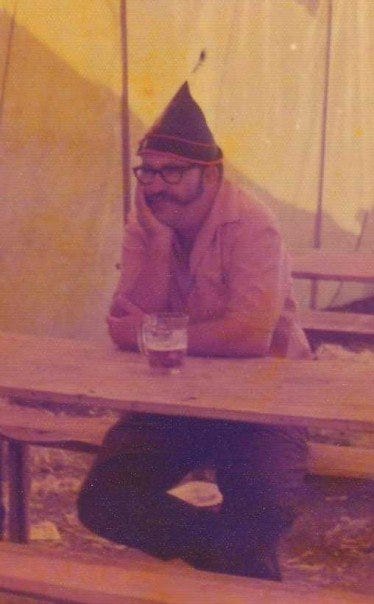
The Oktoberfest itself was pure magic, a slice of Bavarian revelry transplanted to the South African veld. As kids, we had free rein to dart around the long wooden tables while the adults nursed their beers, their voices rising in laughter and song. We’d don those ridiculous hats with feathers bobbing jauntily, and Mom would slip into her cute German dress, looking every bit the part. The walls were adorned with homemade posters—true works of art, splashed with vibrant colors and cheeky slogans that captured the festive spirit.

And every few hours everyone would force Johnny to buy a round, by singing, “wer soll das bezahlen“. Which he would always agree to do!

No Oktoberfest was complete without the sweets. We’d munch on Lebkuchen, those spicy gingerbread treats, and wear the heart-shaped ones around our necks like edible medallions, inscribed with German sayings that we pretended to understand. Then came the oompah band, belting out the classics with tubas and accordions that made the ground thrum. I’d never forget the absurd tune about drowning your grandma in the outhouse—it had us all in stitches. We’d dance and sway to the rhythms, arms linked, the joy infectious. Dad, usually so reserved, would sport a permanent grin, his worries melting away in the froth of his stein.

The food was a feast for the senses: tangy sauerkraut piled high, succulent eisbein with crackling skin, frankfurters slathered in mustard. It was magnificent, hearty fare that fueled the merriment long into the night.

Everyone who mattered was there, turning the event into a reunion of souls. My godmother Johanna, wise and warm, would hold court with Eckart, Dad’s old school chum from Hermannsburg. Like Emgard, they were dear friends who’d stood by him through thick and thin. Then there was Arnold, the local magistrate, and his wife Brunie—Mom’s best friend. The two women would huddle at a table, skindering away about everything under the sun, while Mom sipped her favorite Hanepoot wine, its sweetness mirroring the evening’s glow.

The highlight for us kids came after the feasting: piling into Johnny’s son’s beater, that custom VW beach buggy, for joyrides around Vryheid. With the wind whipping through our hair and the buggy bouncing over the roads, it was lekker—pure, unadulterated fun.

Those Vryheid Oktoberfests remain my fondest memories, a benchmark of joy that no other has matched. The one in Joburg? Crowded, dirty, and soulless by comparison. In Vryheid, it was family, laughter, and a touch of the old world, woven into the fabric of our lives.

Ronald Bartels | LinkedIn | Instagram
The sound of healing_

The sun was already high when I crested that last ridge, my Groundcover boots scuffed with dust, lungs drinking the thin, rare air of the Highveld. I had come up here to outwalk something I could not name, tightness in the chest, noise in the head, the low hum of a life that had begun to feel borrowed. Then I heard it: water rushing over rocks.

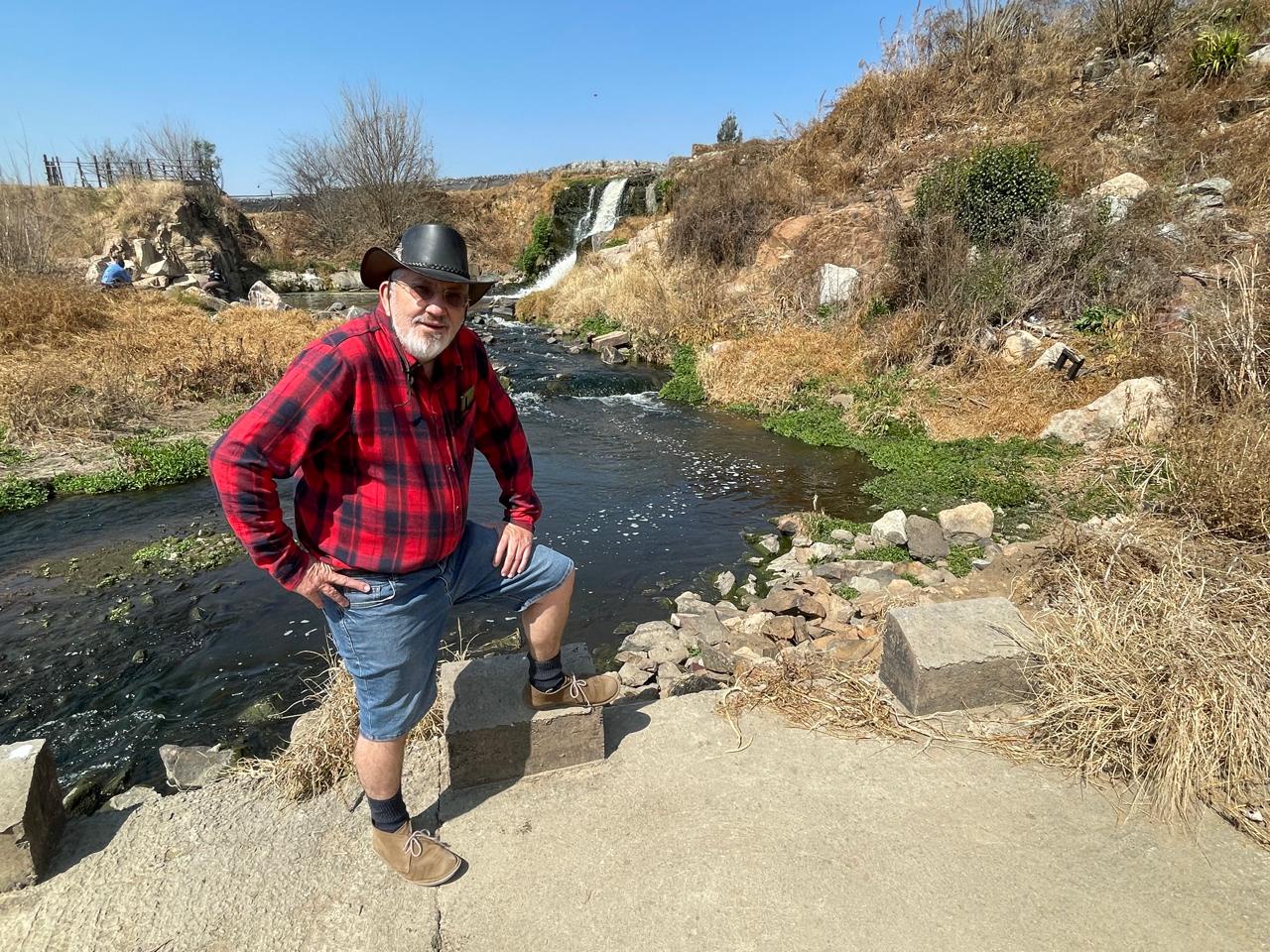
Not the polite murmur of a garden fountain, but real water, quick, bright, alive, roaring its way down a narrow gully in the hillside. I followed the sound like a child seeking treasure and found the stream: no wider than a jeep track, yet fierce with purpose, sliding over granite boulders that had been polished over aeons of water wear, flashing sparks of silver where the light struck.

I knelt. The moment the water touched my ears everything else stopped.

The sound folded time the way wind folds grass. Suddenly I was young again, barefoot on Oakvilla farm in the Natal midlands, following the little streams that spilled off the Inyosi River after rain. Those streams were my secret kingdoms. I knew every pool where the Platanna frogs floated. I knew the places where Leonorus grew thick along the banks, with its orange claws of flower, and how, if you brushed past, the sunbirds would explode out of them in a whirr of emerald and crimson, dancing drunk on nectar.

I would lie on my stomach for hours, chin on my folded arms, watching tadpoles flick like black commas through the transparent water. The stream never hurried, yet it never waited. It simply carried everything downstream: sticks, leaves, worries, time.

Now, decades later, the same music played in a different key. I eased myself down onto a flat rock still warm from the morning sun and let the water have me. Each note of it rinsed something loose, deadlines, arguments, the dull ache of roads not taken—and sent it spinning away over the rocks and stones. The tightness in my chest loosened its fingers one by one. My shoulder pains dissipated. My breath slowed until it matched the rhythm of the stream: in, over, out, gone.

A kingfisher, beautiful, but there it was, flitted across the water, a streak of impossible colour, and for one heartbeat the years collapsed entirely. I was both the boy and the man, both the child lying spellbound on a Midland farm and the tired adult sitting on a rock in distant hills, and neither of us had anywhere else to be.

The water kept talking, soft and relentless, washing the dust from my soul the way it washed silt from the hill. When I finally stood, the light had shifted and the shadows were longer, but I carried no weight at all. Only the bright, running sound of the stream inside me, carrying me forward the way it always had, light, clean, and free.

Ronald Bartels | LinkedIn | Instagram