The Morning Patrol with Mastelekđź’Ş

Stories of Mastelek who enjoys farming Boweia Volubilis

The Annual Ritual

Some years Christmas refuses to arrive. The lights go up, the music starts, the shops overflow with colour, but inside me nothing stirs. Life has been too heavy, too sharp-edged, too full of the kind of exhaustion that doesn’t show. I walk past the cheer and feel nothing. I indulge in no sweetness and taste only burnt sugar. The holiday stays outside the window, pressing its nose against the glass, and I remain stubbornly on the wrong side of it.

Then, I need to press play on Love Actually.

And only then does Christmas poke its head above the parapet.

I sit there in the dark and let the opening voice-over wash over me like absolution: “Whenever I get gloomy with the state of the world…” By the time Hugh Grant does his ridiculous dancing prime-minister boogie down the stairs of Number 10, something inside me cracks. I am suddenly, helplessly, David—standing alone in that grand empty building, the weight of everything on my shoulders, staring across the river at a girl who is brave and clumsy and real. Natalie. Natalie has Kath’s laugh, Kath’s self-deprecating shrug, Kath’s way of making the whole room warmer just by walking into it. Chances come, flicker, and slip away. Watching him find the courage to go after her anyway—driving through the wrong streets, knocking on the wrong doors, refusing to let propriety win—feels like a forgotten bravery within me.

But it isn’t only David. I’ve been every single one of them at some point.

The writer who fled to France to lick his wounds and found Aurélia instead. The grieving husband learning to love his family more than his own pain. The ageing rocker chasing one last impossible redemption on national radio. The quiet office worker carrying a torch so bright it almost burns the building down. The married woman who almost, almost, almost. The little boy running through the airport like his heart would explode if he didn’t make it in time.

All those tangled, ridiculous, aching stories—betrayal and loyalty, cowardice and courage, loneliness and belonging—rolled into one sprawling, imperfect mosaic. I recognise them all. I have lived them in different orders, with different names, in different places and at different times. The film doesn’t tidy anything up; it just says yes, this too, all of this, this is what love looks like when it’s real and messy and human.

And then the final scene at Heathrow. The arrivals gate. The hugs that last too long. The faces that have been through everything and are still, somehow, smiling. That surge of pure, ridiculous joy. That is the moment it finally lands. Not the tree, not the presents, not even the snow (especially not the snow—we don’t get snow). It’s that feeling: we made it through another year, we hurt each other and helped each other and somehow we’re still here, still reaching for one another.

If I manage to catch that wave this year, I’ll ride it all the way, grateful and annoyingly sentimental. If I don’t—if the credits roll and I’m still sitting there hollow—then I simply close the laptop, and think: there’s always next year.

The film will still be there. The arrivals gate will still be there. And so, will I.

Ready to try again.

Ronald Bartels | LinkedIn | Instagram

How Cannabis Turns Ordinary People into Monsters

In a world where dagga (cannabis) is often peddled as a harmless relaxant or miracle cure, the ugly truth lurks beneath the haze. Far from the “meek and mild” image pushed by legalization advocates, dagga is a potent substance capable of shattering minds and unleashing violent impulses. Mounting evidence from scientific studies reveals that dagga use can trigger extreme psychosis and fuel abusive behaviors, transforming users into unrecognizable versions of themselves—aggressive, paranoid, and dangerous. This isn’t scaremongering; it’s a wake-up call backed by research showing how this drug rewires the brain and erodes self-control.

The Psychosis Trap | From High to Hallucination Hell

Cannabis doesn’t just get you high—it can plunge you into a psychotic abyss. Studies have long established a clear link between cannabis use and the onset of psychosis, a severe mental state where reality fractures, leading to delusions, hallucinations, and erratic behavior. A recent cohort study highlights how cannabis disrupts the dopamine system in the midbrain, the very pathway implicated in psychotic disorders like schizophrenia. This isn’t rare; research indicates that psychosis incidence jumps to 31% in cannabis-exposed populations compared to 20% in non-exposed ones.

The risk is especially acute for younger users, where the developing brain is vulnerable to THC’s assault. An age-dependent analysis found that cannabis use heightens the odds of psychotic disorders, with effects persisting even after accounting for genetic factors. Experimental trials have documented acute psychotic episodes following THC administration, proving that this isn’t just correlation—cannabis can directly induce these terrifying states. Users report vivid paranoia, believing loved ones are plotting against them or that shadowy forces are at play. In extreme cases, this leads to self-harm or attacks on others, as the line between fantasy and reality blurs into oblivion.

But it’s not just full-blown psychosis; even subclinical symptoms like psychotic-like experiences and schizotypal traits emerge in healthy individuals who dabble in dagga. A 2025 study revealed brain changes in cannabis users mirroring those in psychosis patients, with heightened dopamine activity signaling a biological ticking time bomb. Regular users show elevated dopamine levels, priming the brain for breakdowns that can last weeks or become permanent. Geographic variations in psychosis rates? Blame differing cannabis use patterns, as one Lancet study pinpointed.

From Chill to Rage | Cannabis as a Catalyst for Abuse & Violence

If psychosis warps the mind, cannabis’s role in sparking abusive behavior turns users into outright threats. Forget the stoner stereotype of laid-back munchies; evidence ties marijuana to increased aggression, intimate partner violence (IPV), and outright brutality. A comprehensive review of youths under 30 found cannabis use strongly associated with physical violence perpetration.

Frequent users are particularly at risk, with studies showing a direct link between heavy cannabis consumption and violent acts. One analysis of 14 violence cases attributed outbursts to cannabis, while broader research on young adults in the U.S. connected cannabis use disorder to heightened violent behavior. In psychotic individuals, cannabis exacerbates the danger, associating with violent episodes even after controlling for other factors.

The mechanism? Cannabis impairs judgment, amplifies paranoia, and disrupts impulse control, turning minor irritations into explosive confrontations. It’s implicated in self-directed violence like self-mutilation and suicide, as well as interpersonal assaults. Alarmingly, one study reported a sevenfold increased risk of violent behavior among marijuana users. From domestic abuse to street fights, cannabis isn’t de-escalating tensions—it’s igniting them.

The Monster Within | How Dagga Rewires and Ruins Lives

Cannabis doesn’t just cause isolated incidents; it fundamentally changes people. Chronic use alters brain chemistry, fostering dependency and personality shifts that breed monstrosity. Users once known for kindness become irritable tyrants, their relationships crumbling under waves of unfounded accusations and rage. In families, this manifests as child neglect or abuse, intertwined with the drug’s numbing effects.

The normalization of cannabis ignores these horrors, but the data doesn’t lie. While confounders like polysubstance use or pre-existing conditions play a role, the association holds firm across studies. It’s time to strip away the myths: this plant isn’t benign. It can make monsters out of men, leaving trails of broken psyches and battered victims.

Society must confront this reality. Legalization may fill coffers, but at what cost? For every casual toke, there’s a risk of unleashing something far darker. If you’re lighting up, remember, you might not recognize the person staring back in the mirror tomorrow.

The Toxic High

Imagine lighting up a joint, inhaling deeply, and exhaling a cloud of what you think is harmless bliss, just like Joe Rogan’s guests. But that same smoke is silently painting your smile with ugly yellow-brown stains, courtesy of tar, resins, and tannins clinging to your enamel like graffiti on a pristine wall. If cannabis can tarnish something as tough as your teeth, what kind of havoc is it wreaking inside your body? The answer isn’t pretty—it’s a barrage of toxins that mirror, and in some cases exceed, the dangers of tobacco smoke, turning your lungs into a scarred battlefield and potentially setting the stage for chronic diseases. This isn’t scare tactics; it’s science exposing the ugly truth behind the haze.

Cannabis’s Assault on Your Smile

Smoking cannabis doesn’t just give you the munchies—it gives your teeth a permanent makeover you didn’t ask for. The smoke from marijuana, packed with sticky tar and resin, coats your enamel with every puff, leading to gradual discoloration that turns pearly whites into dingy yellows or worse. Plant tannins, those natural compounds found in the cannabis plant, act like the culprits in coffee or red wine stains, embedding themselves deeply and stubbornly. Even if you’re brushing twice a day and flossing religiously, frequent inhalation of these carcinogens—cancer-causing agents—ensures the stains build up, making professional whitening a recurring nightmare.

But it’s not just aesthetics. This staining is a red flag for deeper oral carnage. Cannabis smoke dries out your mouth, creating a breeding ground for bacteria that feast on your gums and teeth, spiking risks for gum disease, cavities, and even aggressive periodontitis. Dentists are seeing more cases: inflamed gums, eroded enamel, and a mouth that’s immunosuppressed, less able to fight off infections. If your teeth are taking this visible beating, it’s a grim preview of the invisible war happening in your lungs and bloodstream.

A Chemical Cocktail Worse Than You Think

Don’t fool yourself—cannabis smoke isn’t “natural” and benign. It’s loaded with many of the same toxins, irritants, and carcinogens as tobacco smoke, including carbon monoxide, ammonia, formaldehyde, and polycyclic aromatic hydrocarbons. In fact, studies show marijuana smoke can contain higher levels of certain nasties like ammonia (up to 20 times more) and hydrogen cyanide than tobacco smoke. These aren’t just buzzkills; they’re body-killers, infiltrating your system with every drag.

The way people smoke weed makes it even deadlier: deeper inhales, longer breath-holds, and unfiltered joints mean more tar and toxins lodge in your lungs. One study found that cannabis smokers expose themselves to greater oxidative stress and inflammation in lung cells compared to tobacco users. It’s like inviting a toxic storm into your respiratory system, where these chemicals scorch tissues, trigger mutations, and pave the way for serious health disasters.

From Lungs to Lifelong Damage

If cannabis smoke is etching stains on your teeth, picture what it’s doing to the delicate linings of your lungs. Chronic exposure harms lung tissues, causing scarring, damage to small blood vessels, and chronic bronchitis—think persistent cough, excess mucus, and wheezing that doesn’t quit. Heavy users face bullous lung disease, where air sacs balloon out inefficiently, or even spontaneous pneumothorax, a collapsed lung that strikes without warning.

The parallels to tobacco are chilling, but cannabis might hit harder in some ways. Research indicates it causes more lung inflammation and damage per puff, weakening your immune system and making you a magnet for infections like pneumonia or aspergillosis in the immunocompromised. And don’t dismiss the cancer risk: while not as definitively linked as tobacco, the shared carcinogens raise alarms for lung cancer, with some studies showing elevated odds among regular smokers.

Beyond the lungs, these toxins seep into your bloodstream, potentially spiking cardiovascular risks through chemicals like acrolein, which tobacco smokers know all too well for fueling heart disease. Your brain, heart, and even reproductive system aren’t spared—cannabis smoke’s immunosuppressive effects could exacerbate everything from asthma flare-ups to broader systemic inflammation. If it’s corroding your teeth from the outside, it’s corroding your insides with ruthless efficiency.

Wake Up & Quit the Smoke

The evidence is damning: Smoking cannabis isn’t a harmless habit—it’s a toxic trap that starts with stained teeth and escalates to ravaged lungs and a body under siege. Sure, edibles or vaporizers might sidestep some smoke-related horrors, but the core message is clear: If you value your health, rethink the ritual. Your teeth are the canary in the coal mine—ignore the stains, and the real damage could be irreversible. It’s time to clear the air before it’s too late.

Dagga’s Dirty Little Secrets

Stop the BS! If you’re shaking like a leaf after smoking, that’s not “just the weed hitting different.” That’s your nervous system screaming that you’ve poisoned it with too much THC. Those involuntary tremors – the infamous “weed shakes” – are your body’s red-alert signal that you’ve crossed the line from casual use into overdose territory.

THC overstimulates cannabinoid receptors, ramps up neuronal excitability, spikes your heart rate, tanks your body temperature, and can drop your blood sugar. Result? Full-body twitching, jaw chattering, hands shaking so bad you can’t even hold the joint. And if the shakes are happening every single time you smoke – or worse, when you’re sober – congratulations, you’re not a “recreational user” anymore. You’re deep in chronic territory, and your brain is so fried it can’t regulate basic motor function without its fix.

Then come the munchies – the one side effect every stoner brags about like it’s a superpower. Wrong. It’s THC hijacking your hypothalamus, flipping hunger neurons into overdrive, pumping out ghrelin (the “feed me now” hormone), and making even cardboard taste like heaven. You will inhale 600 extra calories in one sitting and still feel starving. The brain literally thinks you’re in famine mode while you’re face-deep in a family-size bag of Flamin’ Hot Cheetos.

And what do people destroy during the munchies? Pure sugar and refined carbs – the exact foods that dermatologists have proven cause acne. Every donut, every soda, every late-night ice cream binge spikes your insulin and IGF-1 levels sky-high. Those hormones tell your sebaceous glands to pump out more oil while making skin cells stick together and clog pores. Result: inflamed, cystic, pissed-off acne that no amount of “natural” skincare will fix. The same mechanisms that make Western diets acne factories are turbocharged every time you get baked and raid the kitchen.

Here’s the cruelest irony of all: despite inhaling junk food like a human vacuum, chronic cannabis users somehow have lower BMI and lower obesity rates than non-users. Scientists call it the “munchies paradox.” You eat like absolute garbage, yet the scale doesn’t punish you the way it should. Some studies suggest THC tweaks metabolism or competes with food reward pathways in the brain. Great, right?

Wrong again.

You’re not getting jacked. You’re not turning into a gym bunny. You’re getting skinny-fat at best – soft, untoned, low-muscle, zero-drive. Most research shows cannabis either does nothing for exercise performance or actively hurts it. The “weed makes workouts better” crowd is cherry-picking the one study that says it increases enjoyment while ignoring the pile that says it tanks strength, endurance, and motivation in the long run.

So let’s recap the scam you’ve been sold:

  • You shake uncontrollably → proof you’re overdosing
  • You crave sugar like a zombie → your face erupts in cystic acne
  • You pack in thousands of empty calories → but stay scrawny and weak because the drug kills your discipline
  • You tell yourself it’s “medicine” or “harmless” while your skin, your nervous system, and your future self take the beating

If you’re shaking every day, you’re not “chilling.” You’re deep in addiction, and your body is waving every red flag it has.

Wake the hell up.

The Brutal Truth About How Dagga Murders Your Boner & Your Bones

Listen up, potheads. You’ve been sold the ultimate lie: that lighting up makes you a sexual stallion, a chill lover who lasts all night and feels everything deeper. The reggae songs, the stoner movies, the “weed is an aphrodisiac” bro-science — it’s all bullshit. The cold, hard reality? Chronic dagga use turns your dick into a wet noodle and your skeleton into a fragile twig. And the irony is so thick you could roll it in papers: the same drug that gives you a limp boner also gives you weak-ass bones. You’re not just failing to get it up — you’re setting yourself up to snap like a dry branch when you finally fall off the couch.

Let’s start down below, where the damage is most humiliating.

Study after study on heavy, dependent cannabis users shows sky-high rates of erectile dysfunction. One meta-analysis found 69% of regular cannabis users had ED compared to just 35% in non-users — basically double the risk of your soldier refusing to salute. Cannabis dependence alone jacks up your ED odds by 20–100% depending on age group. Why? Because chronic THC hammers your testosterone levels into the ground. Lower T = lower libido, weaker erections, and eventually a complete inability to perform. That “increased desire” people brag about? That’s the occasional weekend warrior at low doses. You daily bong-ripping, wake-and-baking “lifestyle” stoners? You’re the ones staring at the ceiling at 2 a.m. wondering why nothing’s happening down there, even when she’s ready to go.

Your brain gets rewired too. The same receptors that make you giggle at cartoons also control arousal and reward. Flood them every day and they down-regulate — sex stops feeling good, motivation dies, and suddenly a spliff is more appealing than actual human contact. Congratulations, you’ve chemically castrated yourself for a plant.

Now the savage punchline: while weed is busy killing your boner, it’s also quietly destroying your actual bones.

Multiple large studies — including one from the University of Edinburgh on heavy users — found significantly lower bone mineral density, higher bone turnover, and greatly increased fracture risk. Regular stoners have bones that look like those of people ten to twenty years older. One study showed heavy cannabis users had lower BMI, lower BMD, and were far more likely to break bones than even cigarette smokers. Yes — weed is worse for your skeleton than tobacco.

So there it is. The drug that makes you too limp to shag is the same one that makes your bones too weak to handle a proper pounding even if you could. You’re not living the rasta dream. You’re a soft-dicked, brittle-boned shadow of a man, couch-locked and crumbling from the inside.

Still reaching for that joint tonight, bro?

Your dick and your skeleton are both begging you to quit.

Why Stoners Shower for All the Wrong Reasons

Listen up, you cloud-chasing zombies and self-proclaimed “medical” marijuana martyrs. You’ve been lied to by Big Weed, your dealers, and that one guy in the dispensary who reeks like a skunk’s candy factory. Weed doesn’t just get you high—it transforms you into a walking, talking stink bomb. You smell. Irresistibly, cloyingly, deceptively. Like pineapple skunk fucked a pine tree and birthed a cloud of cotton candy regret.

But here’s the kicker, the cosmic irony that has me at the keyboard: Weed addicts don’t shower to kill the stench. Oh no. They shower because the shit literally cooks them alive. Their bodies turn into human saunas, dripping sweat like a pig on a spit. And in their baked delirium, they hop in the shower to cool off—perpetuating the very smell they pretend not to notice. It’s hygiene hypocrisy on steroids. Strap in, because I’m about to roast this green goblin.

Step 1 | How Weed Cloaks You in Skunk Perfume

You spark up a fat joint of Girl Scout Cookies or some overpriced exotic strain from your plug. What hits your nose first? That earthy haze?. Not just the smoke—it’s the smell, baby. These are the aromatic compounds in cannabis that give each strain its signature.

These bad boys don’t evaporate—they infuse. Into your hair, clothes, skin pores, everything. THC and cannabinoids bind to fat cells. They’re oil-soluble vampires that hitch a ride on your sweat glands. One sesh, and you’re marinated. By day three of a “mini-vacation” binge, you smell like skunk apocalypse. Friends gag politely. Dates ghost. Your dog side-eyes you like you’re a walking treat laced with poison.

Addicts? They embrace it. “It’s my signature scent,” they mumble through Cheeto-dusted lips.

Step 2 | The Overheat—Why Weed Turns Your Body Into an Oven

Now, the real roast: Weed doesn’t chill you out—it overheats you like a glitchy microwave. Science time, fuckers—don’t @ me with your bro-science.

  • Vasodilation Overdrive: THC hits your CB1 receptors in the brain and bloodstream, dilating blood vessels. Blood rushes to your skin, flushing you redder than a tomato in hell. Body temp spikes 1-2°C. You’re cooked.
  • Metabolic Mayhem: Cannabis revs your metabolism temporarily, burning calories like a fiend. Heat byproduct? Sweat. Buckets of it. Studies (yeah, real ones from NIH and Journal of Clinical Investigation) show chronic users have elevated core temps and hyperhidrosis—fancy for “you’re a sweaty beast.”
  • Anxiety Amplifier: Paranoia kicks in? Adrenaline surges. Heart rate up 20-50%. More heat. More sweat. That “munchies glow”? Nah, it’s feverish delirium.

End result: You’re a human lava lamp. Sticky, slick, and smelling because weed sweat = amplified aroma perfume. The oils mix with your BO, creating a cloying cocktail that lingers.

The Ultimate Irony | Showers Aren’t for Smell—They’re for Survival

Here’s where I lose my shit. Stoners don’t shower to “reduce the smell.” That’s for amateurs. Real addicts—those red-eyed goblins glued to their bongs—shower reactively. They’re overheated, parched, and melting. The cold water is a mercy kill for their internal furnace.

  • No Preemptive Strike: They skip daily hygiene because “weed makes me chill, bro.” Clothes? Unchanged since Tuesday. Hair? Greasy traps.
  • Post-Bake Baptism: After a sesh, they’re drenched. Shower on. But do they scrub? Nah. Quick rinse to cool the core. Smell? Intensified by wet-dog amplification.
  • Denial Deluxe: “I don’t smell!” they insist, oblivious in their endocannabinoid fog. Meanwhile, their place smells like a tie-dye factory exploded in a greenhouse.

It’s peak irony: The very act meant to “freshen up” dooms them to eternal stink. They’re not masking—they’re marinating further. Cooked, cooled, and reeking.

The Rant | Wake Up, Weed Worshippers!

You addicts are clowns in a circus of self-deception! Parading as “elevated” while stinking up Ubers and offices. Weed doesn’t make you sweet—it makes you smell sweet to lure more victims into your haze. Society bends over backward: Legalization! Edibles! “Harmless fun!” Meanwhile, you’re overheated husks, showering for relief, not redemption.

Quit. Burn your clothes. Ditch the devil’s lettuce. Your body will thank you with normal temps, clear lungs, and a scent that doesn’t scream “arrest me.”

A Menace Undermining South African Society
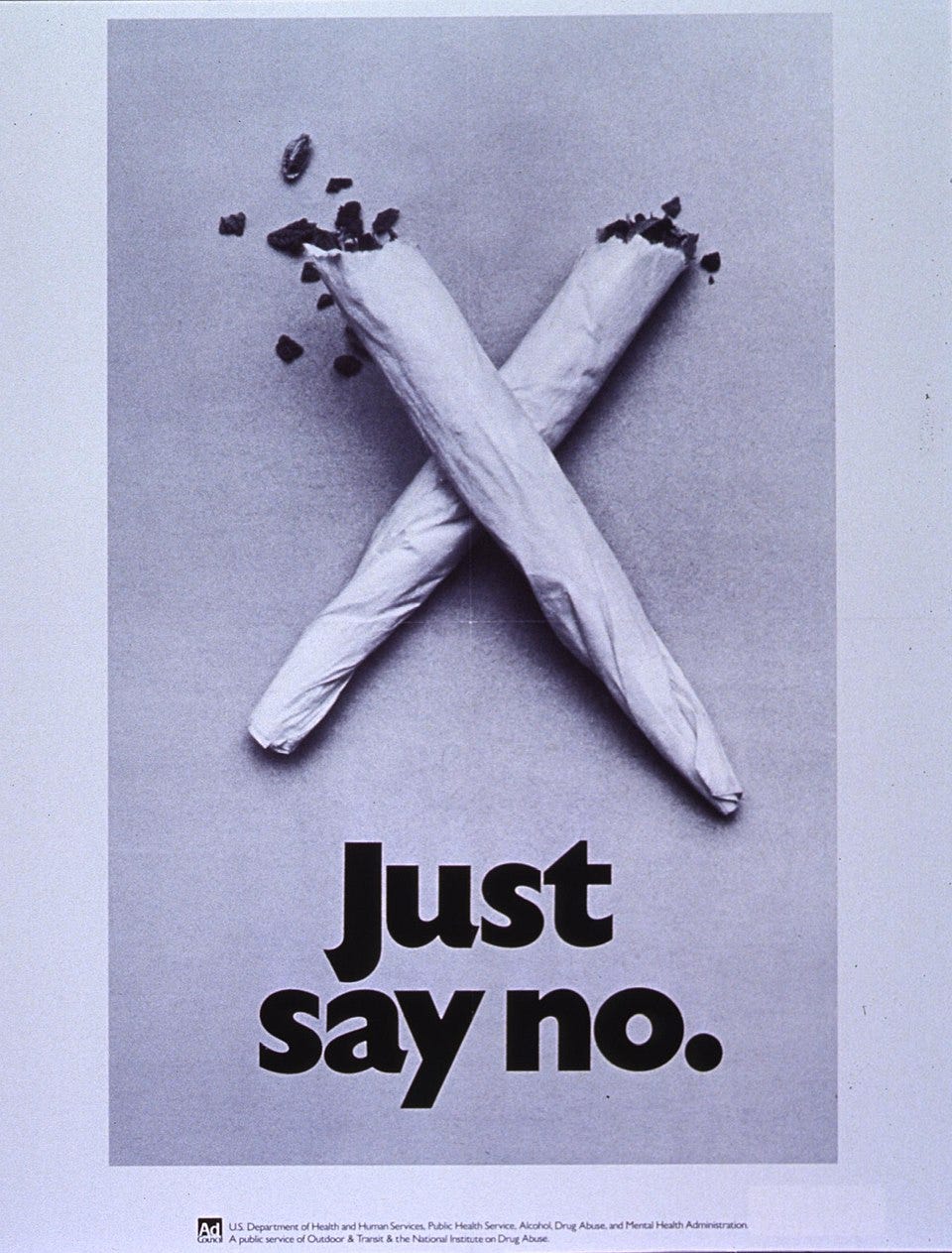
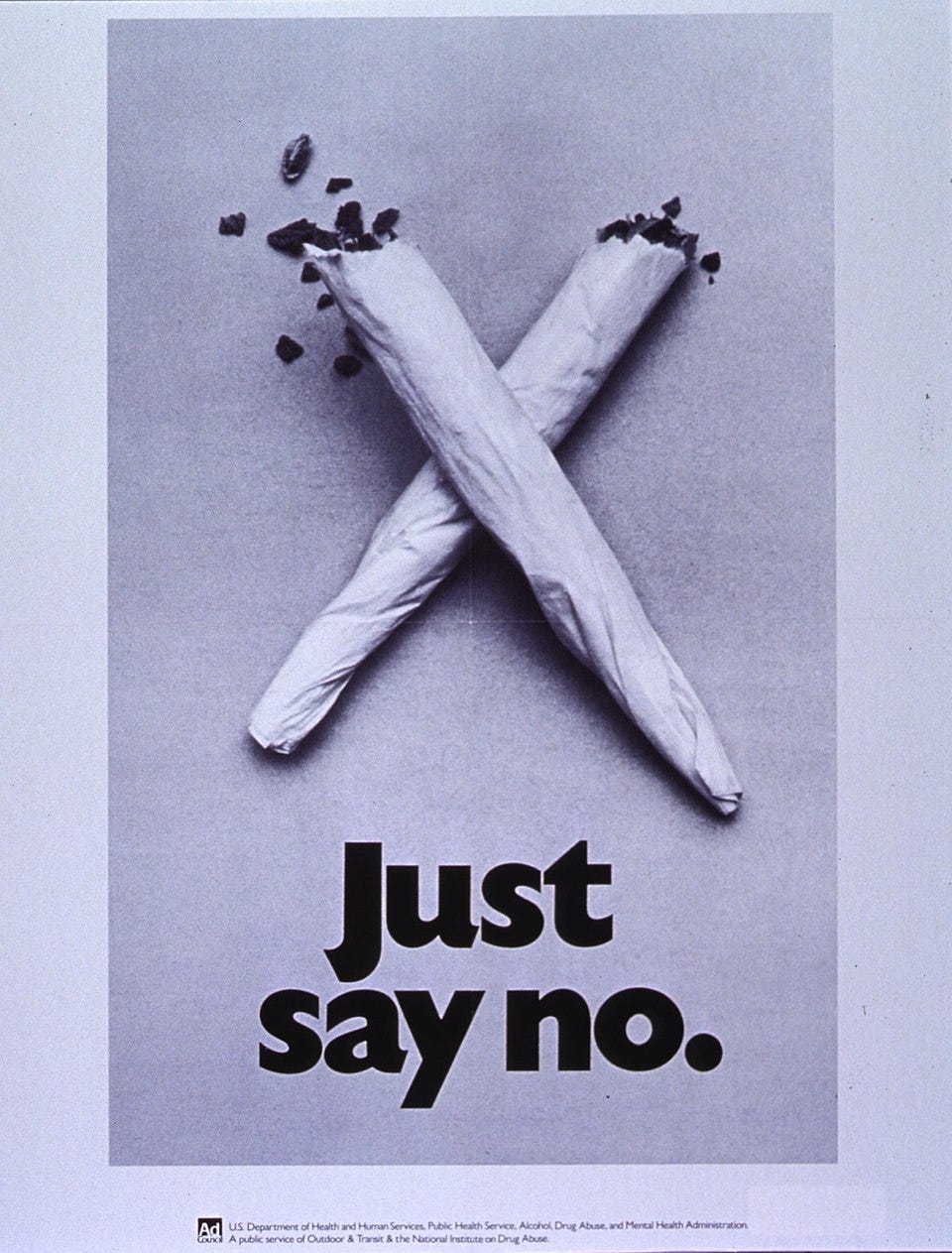
In a country grappling with poverty, crime, and inequality, South Africa has inexplicably embraced a dangerous trend: the normalization of dagga, euphemistically called “weed.” Since the 2018 Constitutional Court ruling decriminalizing private use, dagga has infiltrated communities, masquerading as harmless recreation. But make no mistake—this narcotic is a scourge, eroding minds, bodies, and social fabric. It dulls intellect, triggers violence, fosters addiction, and drags users to society’s lowest rungs. Far from a benign plant, dagga is a gateway to ruin, and it’s time we confront its devastating toll head-on.

Dagga is increasingly portrayed as a harmless recreational substance, with casual dismissals like “there’s nothing wrong with it” becoming commonplace, this article seeks to challenge that normalization by presenting evidence-based insights into its adverse effects. Far from being inconsequential, regular or heavy use of marijuana has been linked to a range of short- and long-term harms that can impact physical health, mental well-being, cognitive function, and overall quality of life. These effects underscore that it’s use is not without risks, countering the perception that it is a benign habit comparable to everyday activities.

By focusing on these documented harms, this article aims to foster a more informed perspective, emphasizing that downplaying dagga’s side effects overlooks substantial evidence to the contrary. Importantly, this discussion does not explore the causations or underlying reasons for marijuana use, such as personal vulnerabilities or societal factors that may contribute to initiation—these warrant separate examination in other contexts. Additionally, its not meant to gauge or compare different types of addiction and draw conclusions based on that type of analysis.

The Mental Health Catastrophe | From Stupidity to Psychosis

Dagga doesn’t just “relax” users; it systematically impairs cognitive function, making them, quite frankly, stupider. Chronic use inhibits potential by disrupting memory, attention, and decision-making, turning ambitious individuals into listless underachievers. Studies link heavy cannabis consumption to lower IQ scores and reduced educational attainment, locking users in cycles of failure.

Worse still, dagga is a potent trigger for severe mental illnesses. In South Africa, where mental health resources are already strained, cannabis use has been directly associated with psychotic disorders. Research from KwaZulu-Natal reveals a high prevalence of cannabis use among people with psychosis, predicting shorter durations of untreated episodes and heightened negative symptoms. Post-decriminalization data shows psychotic disorders as a leading diagnosis among hospitalized adolescents who use the drug. Users report increased anxiety, panic attacks, depression, and low motivation, with high-THC strains inducing paranoia and hallucinations. Globally, evidence ties marijuana to suicide planning and full-blown psychotic episodes, a risk amplified in vulnerable populations.

In South African psychiatric settings, comorbid schizophrenia and cannabis use disorder lead to bizarre behavior, increased violence, and frequent relapses. Perceptions among patients highlight fears that relaxed laws will exacerbate these issues, with dagga acting as a catalyst for mental disintegration. This isn’t harmless fun; it’s a recipe for lifelong institutionalization and despair.

Physical Toll | Sickness, Nausea, & Long-Term Decay

Beyond the mind, dagga ravages the body. Users often experience acute physical nausea, vomiting, and respiratory issues from smoking, akin to tobacco’s harms but compounded by unfiltered toxins. Long-term, it weakens the immune system, increases heart rate, and raises risks for lung infections and cancers.

In South Africa, where healthcare access is limited, these effects burden an already overwhelmed system. Addiction treatment centers report dagga’s role in causing persistent health problems, including cannabinoid hyperemesis syndrome—a cycle of severe nausea and abdominal pain. The drug’s impact on physical well-being is undeniable, turning healthy bodies into frail shells dependent on a substance that offers no real benefit.

Fueling Violence & Abuse | A Social Powder Keg

One of dagga’s most insidious effects is its link to aggression and abuse. Far from mellowing users, it can provoke violent outbursts, especially in those with underlying mental health issues. Persistent cannabis use is an independent risk factor for violent behaviors, particularly in early-phase psychosis. South African studies confirm this, showing cannabis as a significant trigger for violence in psychotic individuals, with patterns of interaction that escalate risks.

In a country plagued by gender-based violence, dagga exacerbates the crisis. Research on cannabis use disorders in South Africa connects the drug to heightened affective mental health outcomes, including aggression that spills into domestic abuse and community conflicts. Users become abusive, lashing out at family and friends, perpetuating cycles of trauma. This isn’t speculation—it’s evidenced in rising admissions for trauma and stressor-related disorders post-decriminalization.

Addiction & Abuse | The Narcotic Trap

Don’t buy the myth that dagga isn’t addictive. As a narcotic, it hooks users through dopamine surges, leading to tolerance, withdrawal, and compulsive use. In South Africa, cannabis use disorders are rampant, with myths of harmlessness shattered by realities of dependency. Withdrawal symptoms include irritability, insomnia, and cravings, trapping individuals in a downward spiral.

Abuse rates have surged since decriminalization, with mental health services noting increased comorbid conditions like schizophrenia relapses tied to ongoing use. Dagga isn’t a soft drug; it’s a narcotic that enslaves, robbing users of autonomy and potential.

Social Degradation | From Respectability to the Dregs

Socially, dagga is unacceptable, marking users as unreliable and low-status. It lowers standards, associating smokers with the “dregs” of society—unemployed drifters, criminals, and outcasts. In professional settings, it impairs performance, leading to job loss and poverty. Communities view dagga users with disdain, eroding social bonds and fostering isolation.

In South Africa, where social mobility is key to overcoming apartheid’s legacy, dagga hinders progress, perpetuating inequality. It’s not just personal—it’s a societal anchor, dragging entire neighborhoods down.

A Call to Action | Expel the Poison from Our Midst

Cannabis shops have no place in our shopping centres, peddling destruction under the guise of commerce. Property owners must grow a backbone and evict these dens of vice, prioritizing community well-being over profits. Policymakers should tighten regulations, banning public sales and reversing the tide of normalization.

It is essential to address the proliferation of weed shops and advocate for their closure as the most prudent legal recourse. The current landscape allows for the unlawful consumption of toxins through smoking dagga, which poses significant risks to individuals and society at large. While cigarettes are also harmful, they benefit from stringent regulations governing their production, distribution, and sale, ensuring a level of oversight that minimizes certain dangers. In contrast, the unregulated nature of many weed shops enables the spread of potentially adulterated products, exacerbating health concerns without equivalent safeguards.

From a health perspective, smoking dagga is fundamentally akin to smoking any other substance, but with potentially graver consequences. Research and observations indicate that the lung cancer risks and associated medical issues linked to dagga may surpass those of tobacco due to factors like deeper inhalation practices and the presence of unfiltered toxins in many dagga products. Tobacco products, while carcinogenic, are subject to filters and quality controls that somewhat mitigate exposure, whereas dagga smoking often involves raw, unprocessed material that delivers higher concentrations of harmful compounds directly to the lungs.

Furthermore, the hallucinogenic and psychoactive properties of cannabis underscore the need for it to be treated as a scheduled medication rather than a recreational commodity. These effects can impair judgment, coordination, and mental health, making unrestricted access through weed shops irresponsible. Instead, distribution should be channeled exclusively through established pharmaceutical chains, where prescriptions, dosage controls, and medical supervision can ensure therapeutic use only, similar to other controlled substances. This approach would align with legal frameworks for drug management, reducing abuse potential and integrating cannabis into a system designed for safety and efficacy.

To this end, existing weed shops should be systematically closed, with their operations redirected toward lawful pharmaceutical distribution channels. This not only upholds public health standards but also enforces a consistent regulatory environment for all substances that carry inherent risks. By updating policies to reflect these priorities, we can foster a more responsible framework that prioritizes well-being over unchecked commercialization.

Dagga is no victimless vice—it’s a scourge afflicting minds, bodies, and society. South Africa deserves better than this narcotic nightmare. It’s time to wake up, reject the euphemisms, and fight back against the dagga delusion before it claims another generation.

BTW: Elon Musk, you might be the richest man in the world, but you are a twat.


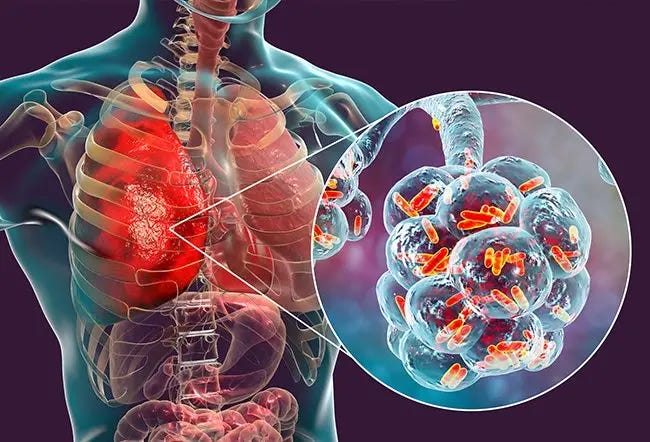
Vaping is a real risk factor that can turn mild “walking pneumonia” into something worse, here’s the evidence.

Walking pneumonia is the everyday name for atypical pneumonia, most often caused by Mycoplasma pneumoniae. It usually produces a persistent dry cough, low-grade fever, fatigue, and chest discomfort that people can still “walk around with.” Most healthy people recover without drama. That is the textbook version.

Vaping changes the equation.

How vaping weakens the lungs’ defences

Research shows that the aerosol from e-cigarettes (nicotine or nicotine-free) does several damaging things:

  • It increases expression of platelet-activating factor receptor (PAFR) on airway cells. Pneumococcal bacteria (and likely other pathogens) stick more readily to those cells. In human volunteers, PAFR levels rose threefold within an hour of vaping. Lab and mouse studies confirmed higher bacterial adhesion and greater colonisation.
  • It impairs mucociliary clearance—the tiny hair-like structures that sweep mucus and invaders out of the airways.
  • It triggers inflammation, oxidative stress, and calcium dysregulation in immune cells such as macrophages. Acute vaping can worsen the pathology of bacterial pneumonia in animal models.
  • In some users it produces lipoid pneumonia or the broader pattern of EVALI (e-cigarette or vaping product use-associated lung injury), filling alveoli with lipid-laden macrophages and setting the stage for secondary infection.

The net result: the lungs become more hospitable to bacteria and less able to clear them. A typically mild Mycoplasma infection can become prolonged, more symptomatic, or even fulminant.

Case reports are not coincidence

Several published cases describe previously healthy young adults who developed severe respiratory failure from Mycoplasma pneumoniae while actively vaping. In these patients the clinical picture mixed classic EVALI features (lipid-laden macrophages on bronchoalveolar lavage, bilateral infiltrates) with confirmed Mycoplasma infection. The authors’ consistent hypothesis is that vaping-induced lung injury created the conditions for an otherwise “benign” organism to cause serious disease. One early report explicitly called it the first documented link between e-cigarettes and fulminant Mycoplasma pneumonia; later cases have reinforced the pattern.

Vaping has also been linked to more severe outcomes with other bacterial pneumonias (including Klebsiella, MRSA, and unusual organisms) and to higher risk of COVID-19 pneumonia. The common thread is compromised local immunity and airway environment.

Important caveats

Vaping is not the primary cause of most walking-pneumonia cases. Mycoplasma circulates in cycles, especially among school-age children and young adults, and incidence rose again after the COVID period for reasons that have little to do with e-cigarettes. Many people who never vape still get walking pneumonia.

What the data support is that regular vaping is a significant modifiable risk factor. It raises susceptibility, can amplify severity, and may turn a mild infection into one that requires hospital care. That is especially relevant for the young adults who make up a large share of both vapers and Mycoplasma patients.

The practical takeaway

If you or someone you know has a lingering cough, fatigue, and a vaping habit, do not dismiss it as “just walking pneumonia.” Tell the clinician about the vaping. Quitting (or at least stopping while recovering) removes an ongoing source of airway irritation and inflammation. For people using vapes as a smoking-cessation tool, the cleaner options remain nicotine replacement therapy that does not involve inhaling heated aerosols.

The lungs are not designed for repeated exposure to propylene glycol, vegetable glycerin, flavour chemicals, nicotine, or whatever else is in the cartridge. The science is clear enough: vaping makes bacterial pneumonia—including the “walking” kind—harder for the body to handle. That is not alarmism; it is what the laboratory work, the mouse models, and the clinical case series show.

Protect the airways. They are the only ones you get.

Why This Combo Can Tip People Into Mania

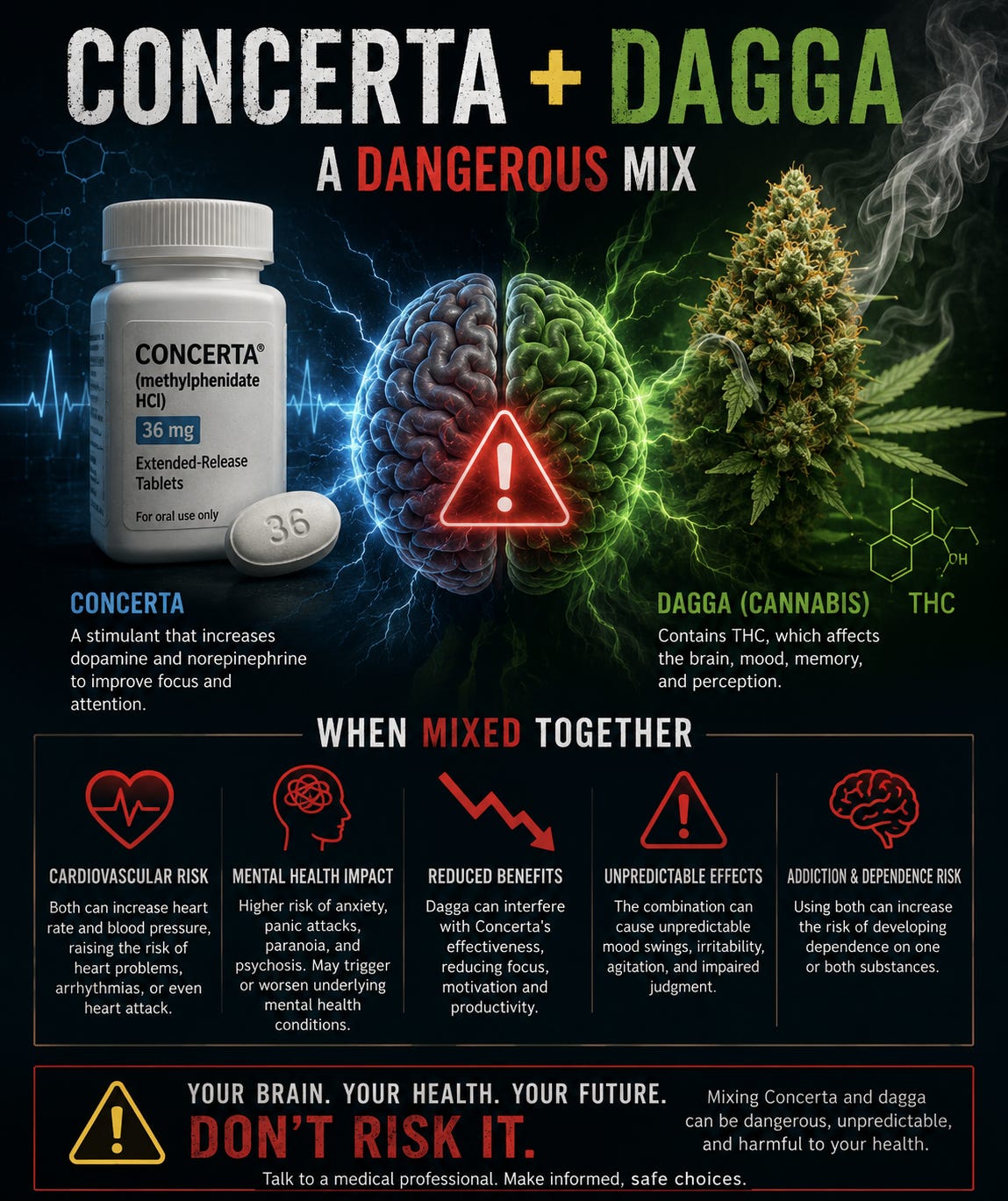
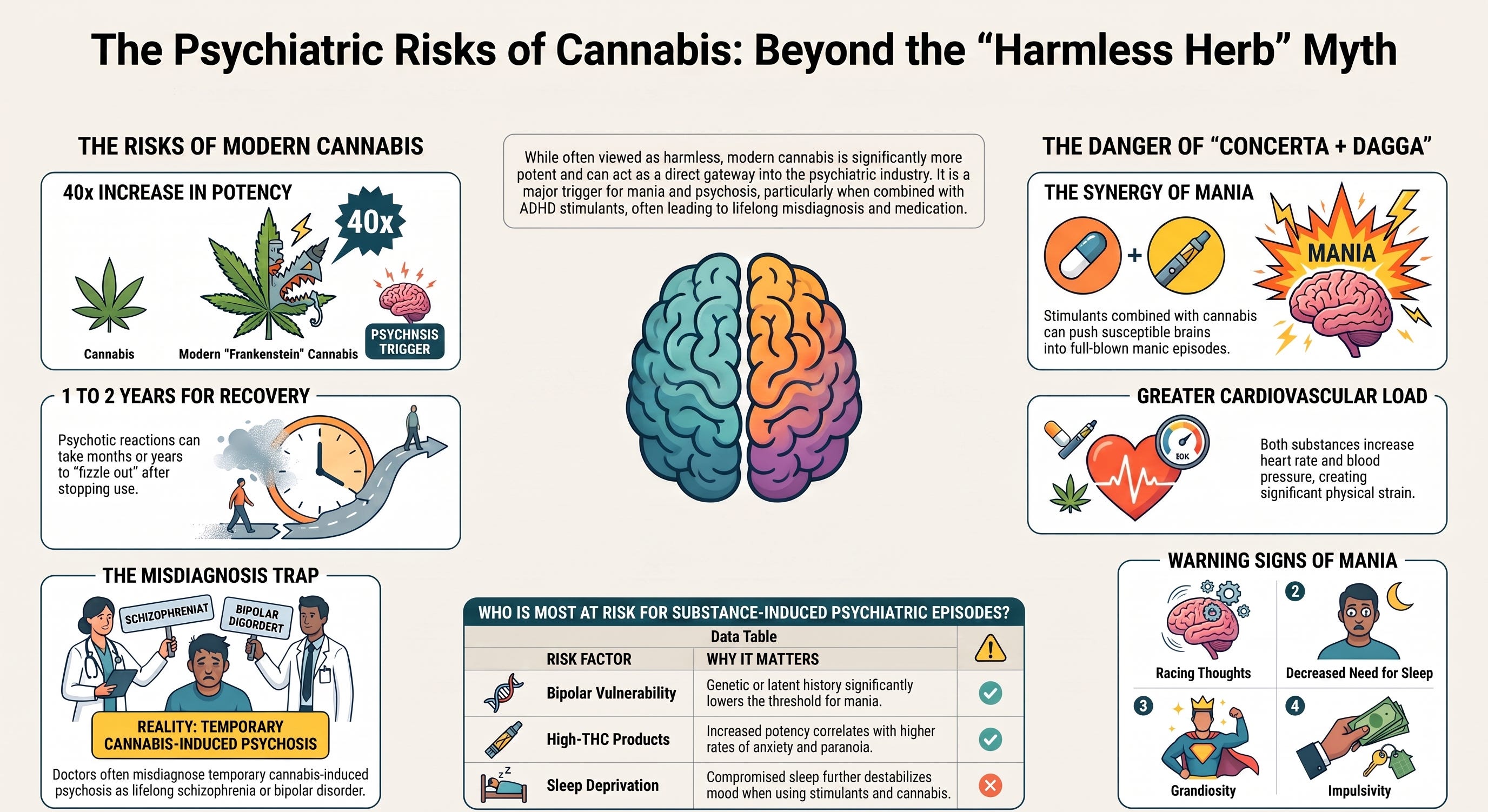
There’s a pattern some people only notice after the fact: they’re on Concerta (or another methylphenidate product) for ADHD, they smoke or otherwise use dagga, and suddenly their mood, energy, sleep, and thinking start running away from them. What begins as “feeling sharper and a bit more chilled” can slide into irritability, racing thoughts, reduced need for sleep, grandiosity, impulsivity, or full-blown manic symptoms.

The combination carries real risk, and the evidence is worth taking seriously.

What each substance does on its own

Concerta is a long-acting stimulant. It increases dopamine and norepinephrine, which helps many people with ADHD focus and regulate attention. Stimulants are also known to be able to trigger manic or mixed episodes, particularly in people who have an underlying bipolar vulnerability, a family history of bipolar disorder, or who take higher-than-prescribed doses. Sleep disruption from the stimulant can further lower the threshold for mood instability.

Dagga (cannabis) has more variable effects. For some it is calming; for others—especially higher-THC products—it increases anxiety, paranoia, or perceptual changes. Cannabis use is associated with a higher risk of new-onset manic symptoms and with a worse course in people who already have bipolar disorder (more manic episodes, more rapid cycling, earlier onset, and greater likelihood of psychotic features). The association is not trivial.

When the two meet

Formal drug-interaction databases often list “no interactions found” between cannabis and methylphenidate. That is not the same as “safe.” Both substances raise heart rate and blood pressure; together the cardiovascular load is greater. Both influence dopamine and other systems involved in mood and reward. Cannabis can blunt some of the cognitive benefits of the stimulant while making the overall drug experience subjectively more enjoyable for some people, which can encourage higher or more frequent use.

There is at least one published case of a clear manic episode linked to the combination: a young man with a childhood history of attention problems who took high doses of methylphenidate (up to 120 mg) plus cannabis during an exam period and ended up hospitalised with disorganised behaviour, aggression, delusions and grandiosity. The final diagnosis was a substance-induced manic episode. Other clinical observations and broader data on stimulants + cannabis, and on cannabis + bipolar risk, point in the same direction: the combination can push susceptible brains into mania or mania-like states.

Who seems most at risk

  • People with undiagnosed or latent bipolar spectrum vulnerability
  • Those with a family history of bipolar disorder or psychosis
  • People taking higher stimulant doses or using the medication in a non-prescribed way
  • Heavy or high-THC cannabis use
  • Anyone whose sleep is already compromised

Even without a formal bipolar diagnosis, the stimulant’s activating effects plus cannabis’s unpredictable impact on mood and sleep can produce a temporary but dangerous manic or hypomanic picture.

Practical reality

Some people on ADHD medication use cannabis and do not become manic. That does not make the risk zero. The combination can also increase anxiety, paranoia, heart-rate problems, and the chance that the ADHD medication stops working as well as it should. If you are prescribed Concerta (or any stimulant) and you use dagga, the responsible step is to be honest with your doctor. Pretending the two never interact is not protective.

Mania is not a mild inconvenience. It can damage relationships, finances, reputation, and physical health, and it often requires medical intervention to settle. If you or someone you know is on a stimulant and starts showing sustained elevated or irritable mood, decreased need for sleep, racing thoughts, risky behaviour or grandiose ideas after using cannabis, get medical help rather than waiting to see if it settles.

An eye opening discussion

An eye-opening report that reveals the link between extensive marijuana use and mental illness, as well as a hidden risk of violence linked to such use of the drug. With marijuana use soaring, and states from coast to coast legalizing the drug, award-winning author and former New York Times reporter Alex Berenson warns that cannabis legalization advocates have misled Americans about the drug’s safety. For decades, advocacy groups have pushed dangerous myths about cannabis: it can treat many different diseases, it can solve the American opioid epidemic, and so forth. Americans have listened. Since 2006, and especially in the last few years, marijuana use has spiked. The United States now has higher rates of use than any other major country, and cannabis is far more potent than it was even 20 years ago.