The Morning Patrol with MastelekđŸ’Ș

Stories of Mastelek who enjoys farming Boweia Volubilis

The Tables of the Syssitia

In dusky halls where shadows cling like fate, And iron hearts in silence congregate, Where meat and marrow mix with warlike cheer, The Spartan Kings their grim dominion steer. No table here for laughter’s gentle tune— This is the Syssitia, beneath the moon.

Each warrior, forged in Lacon’s bitter flame, Must eat, must speak, must serve beneath one name. No hearth or kin, save comrades grim and bare, Who share the broth and breathe the battle’s air. Here discipline, not hunger, carves the soul— The Kings command, and all must heed the whole.

Yet midst the ranks, where blades and shadows lie, One soul looked up and questioned “Why must I?” A noble brow, too proud to bend or break, A mind too wide for laws that kings could make. This child of Sparta, fierce yet strangely mild, Disdained the mold where every heart is filed.

She spoke of things no hoplite dares to dream, Of streams not bloodied, skies that do not scream. She sang—at night!—when others sharpened steel, And dared to write of what the soul might feel. No place for song beside the black broth bowl, Where order drowns the murmurs of the soul.

The ephors scowled, the agoge turned away, The Kings decreed: ‘Let shame be her array.’ They cast her out, a wolf left from the den, Unworthy of the Syssitia, and men. No brotherhood to claim, no cause to kill. A traitor to the phalanx and its will.

She wandered hills where helots dared not tread, And fed on roots while mourning dreams long dead. Yet in her chest, a fire would not die, Though oft she cursed the stars and begged the sky. For what is freedom, if it means to stand Alone, unloved, outside one’s native land?

And when she wept, not once did Sparta bend. For Sparta breaks, but never will she mend. No tomb nor tale would mark her name with pride, No mother weep her loss, no father chide. She bore her fate as best a heart can do— With silence worn like armour, grim and true.

Only the hills knew what the Kings denied: That she was Spartan, though they cast her wide. And if her womb, not spear, defied their code, Her spirit matched the path the hoplites strode. A woman, aye—but made of sterner Clay, Who dared the Kings, and paid the price that day.

~Roald Bartholomew

Ronald Bartels | LinkedIn | Instagram

Becoming

We gather with candles and cake, the scent of wax and memory rising— our laughter echoing in rooms where once your voice was the morning sun.

We mark the days, as if time were a thread we could hold, as if the ticking clock still bound you to this trembling earth of ours.

But you— you have stepped beyond the circle of calendars, where the sky never dims, where the heart no longer counts the years.

In that boundless meadow of light, there are no birthdays, no last breaths— only the song of eternity, and the gentle dance of angels turning the silence into praise.

So we, the living, must learn— that to celebrate your birth again is to forget you have been born anew. That to mourn your passing is to misunderstand the gate you crossed.

For you are not gone— you are expanded, you are infinite, you are joy beyond the reach of sorrow.

We light no candle for grief tonight, only for the splendour of forever. We do not whisper your name in pain— we shout it to the stars, knowing they shimmer with your laughter.

In heaven, there is no mourning, only the endless beginning of all things. And as we live, we do not wait for death— we wait for reunion.

A celebration not of years, but of always. A celebration not of passing, but of becoming.

~ Roald Bartholomew

Ronald Bartels | LinkedIn | Instagram

Determination & unyielding spirit

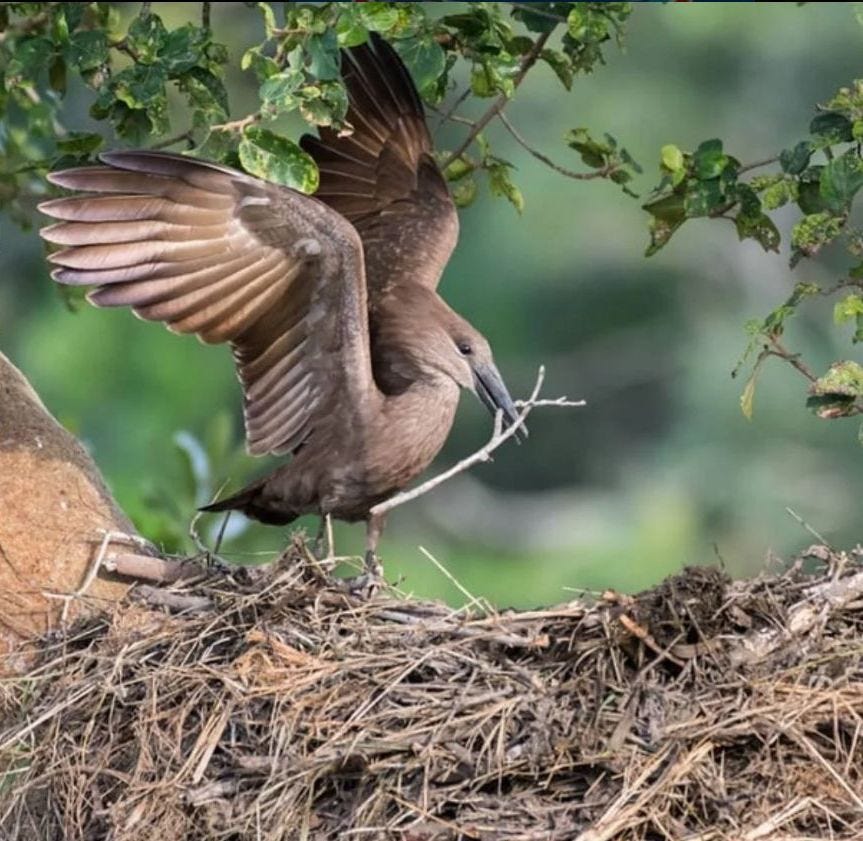
In the presence of Africa’s ancient breath, Where grass whispers secrets to the wind, And souls travel in the veins of wild fig trees, Determination appears like boulders in the veld— A hammerkop’s grit, forged in mud and twig. One slender piece at a time, he moulds his castle, A mansion vast as those of the ancients, Perched in the sentinel’s embrace, roots delving deep Into earth’s mystic core. Oh, builder of dreams, Your labour a hymn to the unyielding soul!

Beneath the acacia’s golden crown, The weaver bird, man of feathers and fire, Spins tapestries of grass, each knot a plea. His woman, fierce as the veld’s untamed flame, Shreds his glory to threads, tests his heart’s resolve. Yet he rises from ruin, starts anew in the dawn, A phoenix of persistence, courting the stars. In every frayed strand, a symbol etched— Love’s eternal forge, where failure fuels the spark, And victory sings in the nest that endures.

From the Cape’s roaring shores, where oceans kiss the sky, The stork unfurls his wings, a pilgrim of the wild. Through Douglasdale’s green veins in Gauteng’s heart, Up Africa’s spine, past Israel’s sacred sands, Through Turkey’s shadowed passes to Denmark’s chill embrace— A odyssey of grit, chutzpah carved in flight. Winds howl like ancestral wails, storms rage as trials divine, Yet instinct’s compass guides, a spiritual map unfurled. In each beat of wing, the earth’s pulse echoes: Keep on, wanderer, for survival is the soul’s migration.

Across the summer’s haze, in Douglasdale’s fleeting bloom, The Belenois aurota, fragile as a whispered prayer, Fights from Western Cape’s mist-shrouded coasts To Mozambique’s eastern shores, a river of white wings. Massed in migration’s harrowing rite, they pause On this hallowed ground, a sanctuary midst the strife. Driven by raw pursuit, survival’s sacred fire, They flutter like spirits unbound from the grave, Symbols of resilience, mystic nomads of the air— In their delicate throng, the land’s eternal vow renews.

Upon the sun-baked plains, where antelope roam, The dung beetle, alchemist of the lowly and profound, Rolls his orb of kak, a globe of life’s raw essence. Pushing, shaping, with legs like ancient oars, He crafts a cradle for the unborn, eggs nestled deep. Against the odds, through dust and thorn, he toils— A roadmap of instinct, survival’s humble creed. In this ball of rebirth, mysticism gleams: From waste, the divine spark; from struggle, generation’s light, The earth’s quiet hero, forging futures from the void.

Oh, creatures of Africa’s enchantment, You mirror the human spirit’s unbowed flame— [Hammerkop’s castle](

View this post on Instagram
source=igembed&igrid=AjDLEYu5cnAJe6NNh5EeB “Hammerkop Nest”), weaver’s relentless art, Stork’s epic trail, butterfly’s fragile storm, Beetle’s sacred sphere—all threads in the greater existence. In your determination, the ancients reveal their face: A fusion of instinct, mysticism’s veil lifted, Where healing winds sweep the soul’s wild terrain, And survival’s song echoes through the ages— Keep on, dwellers of the veld, for in your grit, we live eternal._

~Roald Bartholomew

Ronald Bartels | LinkedIn | Instagram

My happy place

By the Raite where the tides kiss Shannon’s breast, In Bunratty’s shadow, where the rooks find rest, There stands a pub, as old as time, With laughter steeped in foam and rhyme.

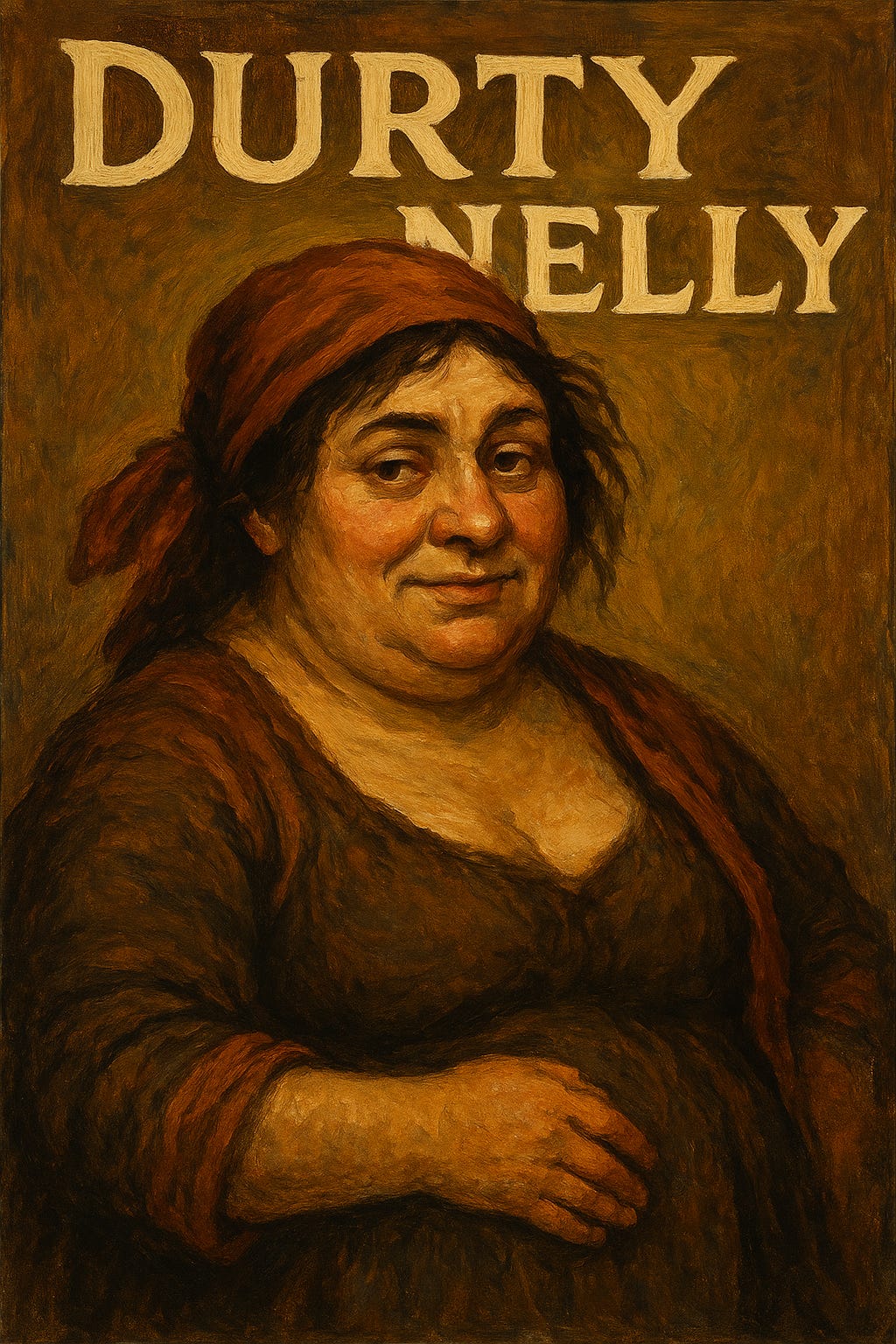
Who was Nelly, the “Durty” lass? A wink, a nod, a tale half-passed. She poured the pints, she stole the hearts, And kept her secrets in the dark.

The sign still swings where stories grow, Of mist and mead and ember’s glow. Step o’er the sawdust, take your chair, You’ll feel her spirit in the air.

The pigeons coo a gentle tune, While Shannon sighs beneath the moon, And through the hum of talk and cheer, The soul of Ireland draws you near.

A Guinness stands — dark, proud, divine, One hundred twenty-five seconds’ time. The bubbles fall, then rise in grace, Like angels dancing in their place.

A Bodhrán beats, a piano hums, The crowd erupts — here friendship comes! “The Fields of Athenry” takes flight, And strangers sing as one tonight.

An American dressed head to toe in green, Trips on the sawdust, a sight to be seen, Yet laughter rolls like thunder free — For Craic is joy, not misery.

By castle stones and river bend, The nights in Nelly’s never end. For every pint and every song, Makes you feel you’ve belonged all along.

And if you ask what magic brews Within those ancient timbered hues — ’Tis Craic itself, the Irish art, That binds the pint glass to the heart.

So raise your glass, let voices swell, To Bunratty’s queen — Durty Nelly herself. Long may her fire and laughter gleam, Forever living in Ireland’s dream.

SlĂĄinte!

~ Roald Bartholomew

Ronald Bartels

Ronald Bartels | LinkedIn | Instagram

The journey by sea of Christoph Bartels from Hanover to Natal

From Harburg’s shore Christoph sailed, A prayer upon his trembling lip; His heavy heart by sins assailed, He boarded Kandaze’s sturdy ship.

The ship, in Sheba’s queenly name, Cut through the silver, singing sea; Yet in his chest, the hound of shame Still clawed and would not set him free.

A Hussar once, in crimson pride, He bore the lance’s cruel sting; He saw too oft men fall and die, Beneath the banners of the King.

Now south he turns, to Natal's shore, Through waters bright and wild and wide; To cast his lance to war no more, And find his peace at Jesus’ side.

Each dawn he wrote of Charlotte fair, Her laughter like a summer rain; Her golden hair, her tender care— Sweet balm against his hidden pain.

Yet though he prayed and sang her name, The salt breeze whispered soft and low: “She will not wait, nor be the same— Your truest love you’ve yet to know.”

The Kandaze rocked in gentle grace, A cradle in the hand of God; And Christoph, gazing on His face, Knew Heaven wept where he had trod.

The stars swung low, the night was kind, The waves bore witness to his tears; And deep within his shattered mind Rose faith to calm the storming years.

Thus onward sailed the penitent, With broken past and battered chart; And found, through every trial sent, God’s endless harbour in his heart.

~Roald Bartholomew

Ronald Bartels | LinkedIn | Instagram

Ghosts in Grey & Flying down the road

Dreams, those slippery nocturnal messengers, have long haunted my sleep with two persistent visitors. Are they revelations from the subconscious, harbingers of unresolved strife, or merely the brain’s fanciful recycling of old neural pathways? In my case, they pull me back to the soil of South Africa, its schools, its roads, its half-remembered heartaches, with a fidelity that startles me awake, heart pounding, fully immersed.

The Grey College Reckoning

The first dream begins with a bureaucratic absurdity: I’m summoned back to Grey College in Bloemfontein, not as the pimply adolescent I was, but as the silver-haired man I am now. There I stand in the quad, absurdly clad in those iconic grey pants and striped blazer, the uniform that once chafed my teenage rebellion. “Redo Standard 6,” the decree comes, “and every year after. Improve those marks.” Principals Heyns & Volsteedt, stern figures from memory, greet me without batting an eye, as if geriatric pupils are commonplace. Classes unfold: I still love algebra, history recycles its dates, Afrikaans conjugations tangle like barbed wire. I pour effort into it, but the report cards arrive unchanged. Good but not brilliant like Jan von Delft.

Heyns fires our Maths teacher Truana & Hansie from Smithfield becomes our Maths teacher. He teaches us all we know including instructing Jan.

Yet here’s the dream’s quiet mercy, its subconscious sleight of hand: I never skid off my Western Flyer bicycle into that gravelly oblivion, the crash that left me bloodied & humbled. No bone-crunching rugby tackle snaps my leg mid-scrum, that agony that sidelined me for months. Those traumas, etched in real-life scar tissue, are mercifully excised.

And the girls, ah, the fleeting sirens of youth, parade through like cameo players in a faded film. Elaine Stewart, with her knowing smile; Stephanie Morgan, elusive and electric; the drama queen from Eunice High, a voluptuous ringer for Sophia Loren whose name dances just beyond recall; and that sweet, homely meisie from Van Oranje, a Van Rooyen girl whose plain virtues shone brighter than any spotlight.

What do the dream-weavers say of this? Recurring school dreams, especially as an adult fumbling through failure, are among the most universal, echoes of anxiety, a nagging fear of inadequacy or unpreparedness in life’s endless “exams.” Psychologists link them to self-doubt, unresolved pressures from youth, or even current stresses masquerading as old report cards. The inability to improve marks? A poignant symbol that the past defies revision, no amount of adult wisdom can rewrite a boy’s transcript. But the avoidance of trauma? That’s wish fulfillment at work, the mind’s gentle therapy: re-entering the arena safely, healing old wounds by omission. These dreams remind me I’ve come far, yet some part of me still seeks an elusive gold star.

The Low-Flying Jet Odyssey

The second dream shifts to the skies, or barely above them. I’m aboard a colossal jetliner, vast as a 747, yet hugging the earth at treetop height, no more than a few meters clearance. We don’t soar; we *skim*, in exquisite slow motion, over roads I could navigate blindfolded. First, the New Hanover Road unspools north from Greytown, that sentinel tree standing eternal vigil at the bend. Then the N1 into Bloemfontein, the wind-bent gums bowing us welcome. The road to Stellenbosch unfurls its first gentle curve, Papegaaiberg’s hulking silhouette rising like a faithful hound. On to Durban’s coastal ribbon, salt air almost tangible. Every pothole, every wild fig tree tree, every sign rendered in photographic perfection, hyper-real, as if my mind’s archived high quality surveillance footage.

Notably absent: the road to Johannesburg. That concrete vein to the City of Gold never appears, as if my psyche draws an invisible no-fly zone.

Dream lore paints flying as liberation, freedom, ambition, transcending earthly tethers. But in a plane, low and road-bound? It’s control with a catch: life’s journey on familiar tracks, ambitions grounded in reality, teetering on the edge of peril yet masterfully steady. The slow-motion clarity screams nostalgia, a meditative revisit to memory’s highways, roads symbolizing personal trajectories, transitions navigated with precision. Avoiding Joburg? Perhaps my inner pilot shuns the chaos of that metropolis, the grind of big-city striving, favoring the intimate contours of heartland and haven.

Echoes & Enigmas

These twin reveries bookend some of my nights, the school dream a backward tug to youth’s judgments, the jet a forward glide over life’s mapped miles. Together, they whisper of a man at peace with imperfection, unable to ace the past, yet soaring low and sure over its remnants. Freud might call them repressed desires; Jung, archetypes of the shadow self. I prefer to see them as grace notes in my story: proof that even in sleep, I’m still pedaling those Bloem roads, still scanning horizons for the next bend. And if they recur? I’ll welcome them, old pilots of the psyche, for in their clarity lies the truest map of me.

Ronald Bartels | LinkedIn | Instagram

Poetry by Roald Bartholomew

Far from the clamor of cities, in rural Natal, our connection to the wider world hinged on a simple metal rectangle: P.O. Box 2, New Hanover 3440. A postal box. Our farm lay 15 kilometers outside that one-donkey town, a speck on the map so modest it couldn’t even afford a horse. New Hanover was the kind of place where time moved at the pace of a lazy pofadder in the sun, & the post office stood as its unassuming magical wormhole to elsewhere.

The box itself was one among a hundred, slotted into a steel grid embedded in the wall on the stoep of the red-brick post office building. You’d find it just across the single-lane bridge over the Sterkspruit, right beside the New Hanover Hotel, where locals might gather for a pint or a yarn on slow afternoons, which were most of them. Stepping inside the post office was like entering a bygone era. The air hung heavy with the musty scent of brown paper parcels & coils of brown hessian string, mingled with the faint, acrid tang of old-fashioned sticky glue. On the worn wooden counter sat a reel of Scotch tape in a hefty metal dispenser, its weight a testament to things built to last.

Back then, correspondence was an art, not a haste. We’d sit at the dining room table on the farm, pulling out a blue or yellow Croxley writing pad, and take up a Parker or Schaeffer pen. For fancy pants letters, the ones carrying heartfelt news or formal invitations—we’d uncap a fountain pen, fill it from a bottle of ink, and let the words flow with deliberate strokes. There was no autocorrect, no instant send; each letter was crafted, pondered over, sealed with care. Licked by your tongue on the envelope. You couldn’t rush the post, it demanded patience, and in return, it wove threads of anticipation into our days. A reply might take weeks, but when it arrived in that humble box, it felt like a small miracle, bridging the isolation of our rural life with the voices of distant friends & family.

At Grey my mom would post me letters from the farm and include R10 notes which would be tuck money. A coke & a doughnut would be weeks in the planning and dependent on a letter coming through the post.

Oh, and Christmas! We would send Christmas cards and hang the ones we received on strings and pegs in our living room. It was a ritual. Poof! No more.

These poems by Roald Bartholew are crafted in that same manner as old fashioned mail. The joy of words, & I licked my computer screen!

🌊Waves of the Veld

The Voyage of the Broken Lance

Durty Nelly’s — Where Craic Never Dies

Grit of the Veld

🌿 The Celebration of Eternity

Byron’s The Black Broth’s Bond

The Brass Tap at Grey

Ode to Massey Ferguson

Sentinel

Orange Wine of the Birds

The Man Who Walks Again

The Blue Tartan of Elliot

Repentance

Love’s Liberty

My heart is in the Natal dawn

Ghost Bike in Dwellingup

Hearts 💕

The Roadtrip Between Durban & Johannesburg

Craic by the Chiminea

The Sum of Happiness

Meditation of the Waves

Windhond se wals

Sandstone Splendour

The Rare Man

Twelve Days of Krismoss

Ronald Bartels | LinkedIn | Instagram

Clan of the Baboons

From a young age, my father would weave tales of evolution into our long road trips, whether we were rumbling along in the bakkie or the lorry, dust kicking up behind us as we headed out on distant journeys. He’d speak of it with such logical enthusiasm, his voice upbeat and steady, painting pictures of ancient creatures adapting over eons. “It all makes sense,” he’d say, his hands gripping the wheel firmly. But he wasn’t one to dismiss the other side entirely. He’d spend quiet hours poring over the Bible, trying to unravel what drew so many to its pages. “It’s Greek, you see,” he’d explain to me. “Their way of writing was poetic, metaphorical—not meant to be taken word for word.” I’d nod along, absorbing it all, feeling like I was part of some grand intellectual adventure.

That foundation set the stage for one particularly memorable afternoon at my grandparents’ house. We were gathered around the lunch table, the air thick with the smell of German sausage and fresh bread, when a Bible puncher joined us. I’m sure it was the infamous Erlo Stegen, a nephew of my grandmother. He was the type who could turn any conversation into a sermon, and that day was no exception. With a mocking chuckle, he declared that some fools out there actually believed in evolution, as if it were the punchline to a bad joke.

I couldn’t let that slide. At less than ten years old, fueled by my dad’s lessons and invoking my inner Mastelek self, I piped up. “Actually, it is true,” I said, my voice probably a bit too earnest for the room. I was ready for a real discussion, maybe even a debate like the ones my dad and I had on those long drives. But before I could elaborate, the pastor leaned forward, his eyes narrowing with that smug certainty. “Do you believe your grandfather was a baboon?” he asked, crossing his arms as if he’d just checkmated me.

The table went quiet. I looked him straight in the eye and, without missing a beat, replied, “Yes. And me too. I’m a baboon.” His smirk vanished like smoke in the wind. For good measure, I added, “I scored 100% on my last Maths test. What were your marks?” It was my childish way of saying, “I’m right, you’re wrong—and here’s proof of my knowledge.” He stared at me, utterly lost for words, before mumbling something about praying for my soul. The conversation sputtered out after that, and many years later, well after my grandfather passed away my dad mentioned the awkward conversation with his dad about that baboon chirp. He sided with me on that one.

Looking back, that exchange captures how so many discussions on religion or politics unfold: charged, defensive, and rarely productive. Someone lobs a gotcha question, and it devolves from there. But vegetarianism? Oh, that’s a whole other beast—far worse than religion, in my experience. People get downright militant about meat, as if your plate choices are a personal affront. Those debates have left more dinners ruined than any talk of God or Darwin ever did.

Ronald Bartels | LinkedIn | Instagram

Unmasking the Genesis of the Cult with its Dark Secrets
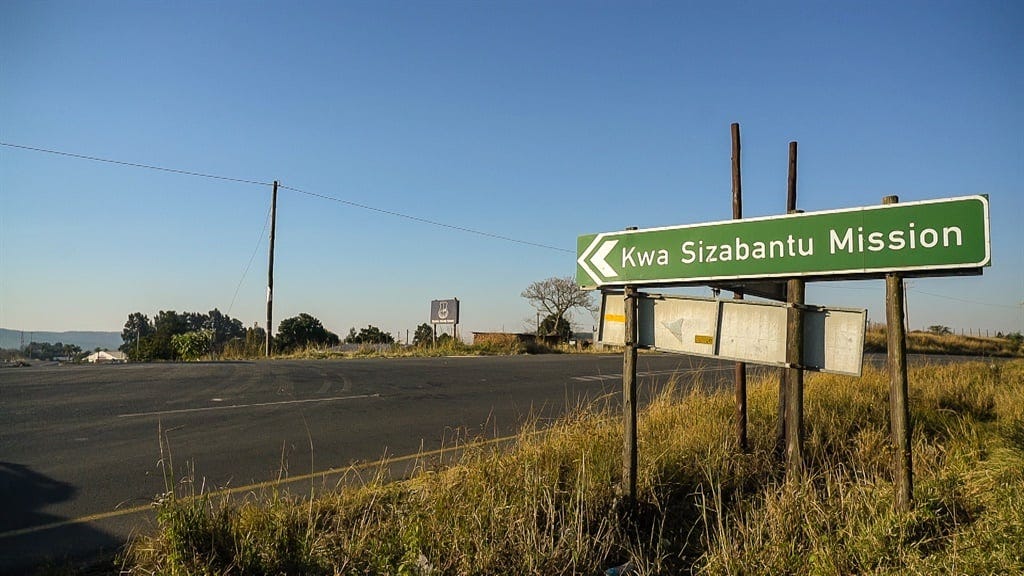
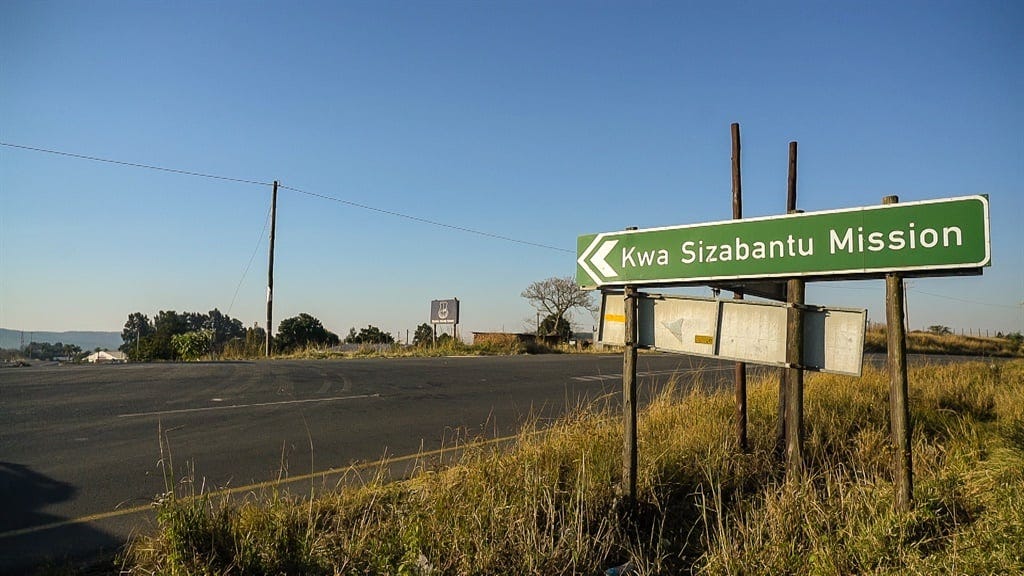
Nestled in the valleys outside Kranskop, kwaSizabantu (KSB) presents itself to the world as a beacon of Christian missionary work among the Zulus of the Valley of a Thousand Hills. With its sprawling greenhouse facilities, dairy operations, & even a water bottling plant under the aQuellĂ© brand, it exudes an air of self-sustaining sophistication, a model of faith-fueled enterprise that funds its “evangelical” activities. But let’s strip away the veneer. KSB is no mainstream religious institution; it’s a pimping cult, finish & klaar. For decades, whispers of abuse simmered beneath the surface, known to locals but suppressed by the cult’s iron grip. It wasn’t until the pandemic year of 2020 that News24’s investigative series, Exodus, finally tore open the facade, exposing a web of sexual abuse, human rights violations, & financial improprieties that had festered for half a century. Light the fire, pour a stiff Scotch, we’re diving deep into the rot, drawing from the primary threads of my own family’s tangled history, not the sanitized propaganda or cherry-picked fake news peddled by the cult’s defenders. These insights lean heavy on recollections of my dad, Mastelek mkhulu. I am Mastelek ncane.

It all traces back to 1922, a time when the Natal Midlands was always shrouded in darkness after dusk. The Union of South Africa was young, just over a decade old, with Jan Smuts at the helm as prime minister. ESKOM had just flickered to life, promising coal-fired power to banish the darkness, though ironically today we’re back to rolling blackouts that echo those dusty, unlit roads. Cars were rarities, Henry Ford’s mass production was barely a decade old in America, & the rail network snaked through the wattle & sugar cane fields like veins of progress. On one such fateful night, my paternal grandmother and her sister Hulda were in a car owned by Herman Gielink, a prosperous farmer. It collided with a train, killing Herman (Hulda’s husband) and their two children. My grandmother and Hulda survived, battered with broken bones, but the scars ran far deeper. (Reference: The Pocket Watch)

I can only imagine Hulda’s anguish, the raw grief of losing her husband and children. I’ve tasted that bitterness myself: the hollow ache after my wife’s passing, amplified by the loss of my own child. Hulda, as godmother to my father (born nearly a dozen years later), forged a bond with him that endured. She inherited substantially from Herman, but in her vulnerability, she became easy prey. Gielink’s farm, where my grandparents lived and worked, my grandfather even serving as secretary of the local farmers’ association that owned a butchery, set the stage. Hulda squandered much of her fortune funding what would become the KSB cult’s genesis: Bible House, the shadowy precursor. To grasp the poison at KSB’s heart, you must first understand Bible House.

The roots burrow into the German missionary descendants around Dalton, who gathered at Lilienthal Church. Around World War II, Anton Engelbrecht served as the Lutheran pastor there, a rotten apple from the start. Post-war, this notorious scoundrel veered beyond Lutheran bounds, clashing with his congregation until the Synod excommunicated him. Undeterred, he teamed with another dubious figure: Erlo Stegen, my paternal grandmother’s nephew and another bad and rotten apple. Stegen lived on the farm adjoining the church, Paardekraal. Together, they birthed Bible House in Claridge, near Pietermaritzburg. My family had attended and were members of that Lilienthal Church; but my dad, fresh out of high school, resisted the emotional blackmail from relatives to join this emerging sect. He stuck with the Lutherans, a decision that spared him, but fractured bonds.

Engelbrecht’s cult hinged on “prayer sessions”, thinly veiled excuses for sexual deviance behind closed doors, all cloaked in religious piety. It thrived for about two decades before crumbling in disgrace. But Stegen, Engelbrecht’s protĂ©gĂ©, carried the torch, founding KSB on the same twisted principles. Stegen’s own “prayer sessions” with women known as the “Mamas”, mirroring the perversion: deviant sexual acts under a holy guise, while rank-and-file members were herded into celibate exploitation, sex taboo except for those perceived as most holy. These cults, Engelbrecht’s and Stegen’s—shattered lives, including those of some of my family. My aunt Enid was a beauty, trailblazing as one of Natal’s first female accountants at Volkskas (now ABSA). Engaged to a man who adored her, her world shattered when Engelbrecht raped her. Instead of justice, the cult “prayed” and decreed suppression, blaming the victim as always. My father, tasked with returning the engagement ring to her fiancĂ© “because that’s what the Lord wanted,” wept recounting it years later, his body trembling from Parkinson’s. The young man begged to marry her regardless, but the cult’s brick wall prevailed. Among Dalton’s older German community post-WWII, it was whispered that Engelbrecht’s assault on Enid resulted in a child. Abandoned by those preaching an allegedly kind God but not conforming to the mantra, she died a spinster, hooked on sleeping pills and Castle Stout. I discovered cases of Castle Stout under her bed when visiting her in Cathcart Street in Greytown. Enough to keep a shebeen rocking for a whole night! She would travel the province seeing different doctors to supply her sleeping pills, as invariable each doctor eventually called timeout on her addiction. When my sons were born and we visited, she called them her grandchildren, I stepped outside to cry for the life stolen from her, echoing my father’s tears over false divine decrees. Even after all these years, I become angry and agitated.

Stegen as the second in command at Bible House was informed and participated in the decision to suppress Enid’s rape. This is probably the reason that all those years ago, she wanted to go speak to him.

The mamas were classified by Stegen as his conduit to God in the same manner as that of Engelbrecht. They would answer his prayers to him after having sex. It was a perverse and pornographic interaction, a fabricated act that mirrored similar pagan rituals. He preferred it to be unknown, behind closed doors and would himself represent piety on the other side.

My dad often quipped that the cult treated prayer like a phone call to God, but you never knew if Satan picked up. In their case, he implied, it was the latter. How true was his insight. Bible House imploded when Lorentz Freese (who would become my dad’s farm manager) caught Engelbrecht in an extramarital affair with a woman—my uncle’s mother-in-law, no less—exposing the “prayer sessions” for what they were. My father’s family fled the wreckage, and reconciled with my dad, Mastelek. Yet echoes lingered: my brother-in-law married the daughter of Dr. Justin Mitchell, a Bible House devotee who penned the preface to God Among the Zulus, a nauseating hagiography of Stegen. That union, tainted by likely abuse in her past, crumbled. At my wedding, Mitchell praised my grandparents and their Christian values; gobsmacked, I realized their status stemmed from Hulda’s cash infusions. Without her grief-fueled generosity, Bible House, & thus KSB, might never have risen. If that car crash in 1922 had not happened, KSB would not have existed.

This is the foul genesis of Stegen’s KSB, spawned from Bible House’s ashes in the seventies. Stegen, second-in-command under Engelbrecht, knew every dark secret yet replicated the model: a self-sustaining empire masking exploitation. The 2020 exposures, allegations of rape cover-ups, beatings, and money laundering, confirmed what my family endured generations ago. The CRL Commission’s 2023 findings of rape and abuse only underscored the pattern. KSB’s defenders spin tales of revival and piety, but from my bloodline’s scars, I know the truth: it’s a cult that pimps souls under God’s name, destroying the vulnerable while enriching the predators. And the woman? Second class citizens.

The Mark of the Beast moving from Bible House to KwaSizabantu

The downfall of Bible House wasn’t just a collapse, it was a calculated coup, orchestrated by Erlo Stegen with the ruthlessness of a ninja assassin. Armed with damning knowledge of Engelbrecht’s rape of my aunt Enid and the so-called “prayer sessions” that were nothing more than sanctioned sexual orgies, Stegen wielded leverage like a blade. Shortly after my own birth in the sixties, he seized the moment, establishing KSB and assimilating Bible House’s assets and a section of the followers into his new domain. This wasn’t a clean break; it was a heist, facilitated by a key conspirator: my uncle, Hogart Joosten, Bible House’s treasurer. Hogart ensured the funds flowed seamlessly from one entity’s bank account to the other’s, a maneuver that cemented the Joosten family’s status as KSB royalty, the only part of our clan to fully defect and thrive in the new KSB regime. The Bible House property including the halls, church, buildings and farms had its title deed transferred to the control of KSB. The location is here. It exists, and knowledge about it and the deeds there cannot be deleted. Except, Stegen did, and his followers bought it hook, line and sinker.

To erase the stains of Bible House’s scandals, Stegen fabricated a pristine origin story: a divine revival in a humble cowshed, where God’s spirit supposedly descended amid Zulu congregants. But this tale was a plagiarized myth, regurgitated from an event chronicled by J.C. de Vries near Worcester, just before Christof Bartels arrived at Port Natal on the Kandaze, a slice of the broader Christian revival sweeping South Africa in the 19th century, with Andrew Murray at its helm. Stegen, fluent in Afrikaans, simply translated and twisted it into Zulu folklore, peddling it as his own Damascus road epiphany to whitewash the cult’s sordid roots. Meanwhile, Engelbrecht slunk into obscurity, marrying one of his affair partners, the mother of my dad’s brother Heinz’s wife, entangling our family further in this web of abnormal, incestuous relationships.

The stolen revival story was no fluke or co-incidence. The bookstore at Bible House (ironically managed by one of Engelbrecht’s side pieces) was full of revival literature and some of the most prominent ones were ironically the works of the Calvinist Andrew Murray of who I’m a descendant on my maternal side. He published nearly 200 books and papers and for the dozen years that Erlo Stegen was second in command at Bible House, he would have been very familiar with those books and would have lifted and plagiarized many stories from its pages, not only the revival.

The abuses didn’t end with the name change; they metastasized at KSB. Enid’s sister, Inge, and her husband Hogart formed the mission’s initial leadership spine, a role later inherited by their son Dietmar, who rose to prominence in sermons and governance. As Stegen’s dementia deepened in his later years, deposing him from daily control, power shifted to his daughters and Lidia Dube, the daughter of one of the infamous “Mamas” from the prayer session era. The Joostens’ other son, my cousin AndrĂ©, allegedly perpetrated his own horrors, rapes and assaults that echoed the founder’s sins, contributing to the mission’s litany of violations. It was during the COVID-19 pandemic in 2020 that the dam finally burst: News24’s explosive Exodus series laid bare the cult’s underbelly, sexual crimes, physical beatings, financial sleight-of-hand, sparking criminal probes & the CRL Commission’s damning inquiry into human rights abuses.

The Joostens’ royal status stemmed directly from Hogart’s financial funneling, a blatant theft masked by Stegen’s invented cowshed narrative. Several of my cousins were ensnared in this machinery, living lives reminiscent of Mennonites: women in drab, colorless clothing, devoid of makeup or adornment, their existence a monotonous grind of piety and repression. They’d pen letters to us, begging forgiveness for trivial childhood pranks, like the time my brother and I, with a cousin holding the ladder, tried peeping through a frosted bathroom window where my sister and her friend bathed. We saw nothing, zilch, but years later, those letters arrived, portraying the innocent mischief as grave sin. The cult twisted harmless fun into eternal guilt, intimidating members into endless repentance while glossing over grotesque human rights violations.

At its core, the cults of Engelbrecht and Stegen sanctified sexual and physical violence through perverse doctrine: confess, repent, and the slate wipes clean, no consequences, no justice. This bred a toxic cycle, embedding abuse into the fabric of KSB, from its Kranskop outpost to the souls it ensnared. To outsiders, these monsters appeared calm, meek, humble, wolves in sheep’s clothing. But the cult was weird, oppressively so: no alcohol to dull the edges, no Christmas trees or festive decorations to spark joy, no television to connect with the world, no reading classics like Homer or James A. Michener that might broaden minds beyond the narrow gospel they preached. It was a prison of the spirit, built on stolen funds and shattered lives, & my family’s blood runs through its foundations.

The Enigma of Stegen’s Foothold Amongst the Zulus Through Iron & Faith

How did Erlo Stegen, a disgraced offshoot from Bible House’s scandals, manage to embed himself so deeply among the Zulus? It’s deceptively simple, rooted in the warrior ethos that defines their heritage. To unpack this, let me recount a tale from my own lineage, about my German missionary ancestor, Christof Bartels, a man whose path illuminates the Zulu spirit.

Before his ordination as a Lutheran pastor, Christof had served as a cavalry officer in the Hanoverian army of Saxe-Coburg and Gotha. This military rigor proved invaluable when he ventured into Zulu lands to establish congregations. His first one sprang from an unlikely confrontation: ambushed by two Zulu men while riding horseback, he wielded not a lance from his cavalry days, but a sturdy stick. A highly trained soldier and expert horseman, he subdued them with a thorough thrashing, then admonished them sternly. “I’ll return in a month,” he declared, “and by then, you’d better have begun building a church.” True to his word, he came back to find the pair had rallied their families—the nucleus of his inaugural congregation. Christof had arrived at Port Natal aboard the Kandaze, part of the Hermannsburg Mission’s wave in the mid-19th century, intent on spreading the Gospel amid the rolling hills of Natal.

Why dredge up this old yarn? It peels back layers on the Zulus themselves, a people forged in abrasion, where respect isn’t won with soft words but through unyielding resolve. They’re a breed apart, historically drawn to leaders who impose harsh regimes of abuse and trials, much like King Shaka molded his impis into a fearsome force. Shaka’s warriors endured grueling training: barefoot marches over thorns, ironclad discipline where failure in battle spelled death, and a regimental system that turned clans into a centralized war machine. It wasn’t pampering that built the Zulu empire; it was brutality honed into strength. They craved that edge, that unforgiving structure, and Stegen delivered it, cloaked in Christian missionary garb.

In Stegen, the Zulus saw echoes of Shaka’s relentlessness: strict rules, severe discipline, a no-nonsense suppression that mirrored their ancestral warrior code. He baited them perfectly, promising spiritual revival through a regime of pious hardship at KSB, endless labour on the farms, enforced celibacy for the masses, & “confessions” that often masked deeper exploitations. But unlike Christof’s righteous zeal, grounded in genuine faith and military honour, Stegen’s intentions were perverted, a cult leader pimping vulnerability under God’s banner. He turned their cultural hunger for discipline into a tool for control, building an empire on the backs of the very people he claimed to save. My ancestor’s stick built churches; Stegen’s rod forged chains.

umThakathi

In reflecting on KSB, it’s impossible to overlook the intricate web of cultural assimilation that Erlo Stegen wove around the Zulus. While much has been said about the mission’s emphasis on revival and spiritual purity, the true undercurrent was a calculated blend of Zulu traditions with Stegen’s authoritarian Christianity, a fusion that preyed on deeply ingrained beliefs to ensure compliance and loyalty. Central to this was the role of the “mamas,” the elder women who became unwitting instruments and sex slaves in Stegen’s hands, facilitating the integration of thousands of Zulus into his isolated world. But to understand their impact, one must first grasp the Zulu foundations of discipline and superstition that made such manipulation possible.

The Zulus have long been renowned for their unwavering adherence to discipline, a trait rooted in their historical warrior ethos and communal structures. From the era of King Shaka’s regiments to modern-day family hierarchies, obedience and order are not just valued but embraced as essential to survival and harmony. This cultural predisposition made the Zulus particularly receptive to Stegen’s rigid regime at KSB as mentioned above, where rules governed every aspect of life, from daily chores to spiritual confessions. Yet, intertwined with this discipline is a profound layer of superstition, where the seen and unseen worlds collide in daily existence. At the heart of these beliefs lies umthakathi, the Zulu concept of witchcraft or sorcery, embodied by the umthakathi (witch or sorcerer). Far from a peripheral myth, umthakathi is core to Zulu cosmology, representing the ever-present threat of malevolent forces that can curse, poison, or spiritually harm individuals and communities.

In Zulu culture, umthakathi is not merely a fairy tale but a lived reality that shapes social interactions, health practices, and even justice systems. Beliefs hold that an umthakathi can cast spells driven by envy, over another’s success, possessions, or family—using potions, curses, or familiars like the tokoloshe (a mischievous evil spirit). This fear permeates everything: unexplained illnesses, crop failures, or misfortunes are often attributed to witchcraft, prompting consultations with sangomas (traditional diviners and healers) to detect and counteract it. Sangomas, revered for their ability to commune with ancestors and uncover hidden evils, serve as protectors against umthakathi. These superstitions result in lived experiences where spiritual vigilance is paramount, and communal rituals, like ancestor veneration or protective muti (medicine), reinforce group identity. It’s this deep-seated fear of the supernatural that Stegen astutely recognized and exploited, transforming it into a tool for control rather than liberation.

Stegen, a discredited white missionary from a Lutheran background, didn’t arrive among the Zulus as a blank slate. By the 1960s, after years of successful evangelizing under the tutelage of Engelbrecht, he pivoted to elevate his status to a notorious flock leader during the 1966 fabricated revival at Maphumulo, incorporating elements of Zulu spirituality into his message to make it resonate. He understood that to assimilate the Zulus, he couldn’t outright dismantle their beliefs; instead, he had to reframe them through a Christian lens, positioning himself as the ultimate authority against spiritual threats. This is where the mamas come into sharp focus. Often portrayed by kwaSizabantu defenders as the villains, autonomous perpetrators of abuse and control—the mamas were, in truth, Stegen’s manipulated proxies. These women, many of them Zulu elders or long-time converts, were elevated to positions of spiritual oversight, but their power was illusory, always tethered to Stegen’s approval. This elevation and status was from a position of polygamy.

In essence, the mamas became Stegen’s Christianized sangomas, toned down & rebranded as benevolent “mothers” to soften the optics for outsiders. Where a traditional sangoma might divine hidden sins or curses through bones or trances, the mamas facilitated intense confession sessions, probing for “unconfessed sins” that mirrored the Zulu dread of umthakathi-induced afflictions. If someone fell ill or faced hardship, it wasn’t witchcraft but unrepented sin, yet the fear response was the same: public humiliation, isolation, or even physical discipline to “cleanse” the soul. Stegen preyed on this by insinuating that only through absolute submission to the mission (and by extension, to him) could one be shielded from spiritual harm. The mamas, groomed under his influence, enforced this, conducting practices like virginity inspections (ukuhlolwa), a Zulu custom adopted by the mission until 2002 to enforce purity. What outsiders saw as cultural sensitivity was assimilation in disguise: Zulu superstitions repackaged as biblical mandates, binding the community tighter to Stegen’s vision.

I believe many refuse to acknowledge how easily they were deceived, not out of naivety, but because Stegen masterfully weaponized beliefs against them. The mamas weren’t the masterminds; they were victims too, indoctrinated to believe their roles were divine, while Stegen pulled the strings. Defenders point fingers at them to deflect from his orchestration, but the truth is, without exploiting umthakathi-like fears, the assimilation wouldn’t have taken root so deeply. Thousands flocked to kwaSizabantu seeking protection from life’s uncertainties, only to find themselves in a sect where Stegen was the unchallenged intermediary between them and God, questioning him equated to spiritual suicide.

In the early years, KSB was isolated, amplifying this dynamic. No outside newspapers penetrated the mission, no television or radio broadcasts disrupted the narrative, and no music echoed except for approved hymns. It was a world driven by discipline, morning assemblies, labour rotations, enforced separations between sexes, and superstition, where every deviation invited accusations of demonic influence. This echo chamber allowed Stegen’s hybrid theology to flourish, blending Zulu ancestral fears with fire-and-brimstone sermons. The impact was profound: families torn apart, with leavers labeled apostates; cultural identities eroded under the guise of salvation; and a generation of adherents molded into unquestioning sheep. Looking back, it’s clear that the mamas’ role wasn’t one of independent agency but of tragic complicity in a system that turned superstition into subjugation. True revival uplifts based on deeds like that of Albert Schweitzer; manipulation like that of Erlo Stegen, no matter how disguised and cloaked in piety, only enslaves.

Lobola

Erlo Stegen’s relationships with the “mamas”, the cult’s revered Zulu women who formed the backbone of the communities spiritual and daily life, were a point of profound cultural divergence. To understand this, one must first grasp the essence of Zulu culture, which is inherently polygamous. In Zulu tradition, a man may take multiple wives, and the concept of extramarital affairs as a moral transgression simply doesn’t exist in the same way it does in Western societies. Girlfriends, casual liaisons, and laissez-faire sexual encounters are accepted as part of the social fabric, provided they align with communal norms. The true marker of commitment, however, comes through the ancient practice of lobola, a bride price negotiation that seals a marriage alliance between families.

Lobola isn’t merely a transaction; it’s a ritual of respect and reciprocity. The groom’s family offers cattle, money, or other valuables to the bride’s family, symbolizing gratitude for raising her and compensating for the loss of her labour and presence in her natal home. It’s a process steeped in negotiation, often involving elders from both sides, and it cements the union in the eyes of the community. Once lobola is paid, the woman is considered a wife, with all the rights & responsibilities that entails, even if a Western-style wedding ceremony never occurs.

My father, known in Zulu circles as Mastelek, shared with me a revelation that cut through the rumors swirling around Stegen. As a fluent Zulu speaker, Dad occasionally served as a court interpreter at the New Hanover Magistrate’s Court, stepping in when the regular interpreter was unavailable. The magistrate, Arnold Freese, a classmate from his school days, trusted him implicitly for his linguistic prowess and cultural insight. It was during these court sessions that Dad conversed with the families of the mamas. They confided in him that Stegen had indeed paid lobola for each of them, formalizing their bonds in the Zulu tradition. In their eyes, these women were not mistresses or illicit partners but legitimate wives, bound by custom and community approval.

Dad made it crystal clear to me: in the Zulu context, Stegen’s intimate relationships with the mamas were unremarkable, even honorable. The Zulus, with their deep-rooted acceptance of polygamy, would not frown upon such arrangements; they were simply part of life. But the Europeans affiliated with the such as those from Bible House & others, the rigid, missionary-minded ones who predated KSB, were far less forgiving. Their puritanical lens viewed these dynamics as scandalous, leading to tensions that simmered beneath the surface, particularly in their dealings with figures like Engelbrecht, whose own entanglements drew their ire. It was a clash of worlds: one fluid and ancestral, the other bound by imported doctrines of monogamy and morality. In retrospect, this cultural rift exposed the hypocrisies at KSB’s core, where Stegen’s authority straddled two incompatible realms, leaving fractures that time could never fully mend.

The Excursion to kwaSizabantu

Those childhood holidays at my grandparents’ place in Greytown were a welcome escape from the dusty isolation of the farm. I’d pack my bicycle and pedal around town, reveling in the smooth tar roads that stretched out like invitations to adventure, far superior to the rutted dirt tracks back home. And the shops! They were a treasure trove of sweets and curios, a stark contrast to the sparse supplies we had on the farm. It was during one such holiday that my Aunt Enid, who was staying with my grandparents, became the catalyst for my one and only visit to KSB.

Enid was unusually agitated that day, pacing the veranda with a furrowed brow. She announced she needed to speak with Erlo Stegen, the founder of the mission, about something pressing. My grandparents, ever cautious and perhaps a bit skeptical of the place, flat-out refused to go. KSB had a reputation that divided opinions in our circles, a sprawling mission known for its revivals, but also whispered about in ways that made adults exchange knowing glances. Seeing Enid’s distress, I volunteered to accompany her. At thirteen or so, I fancied myself quite the intrepid companion.

I phoned my dad to ask permission, & after a brief pause, he agreed, but with a twist. “Go with her,” he said, “but keep your eyes open. Spy on the activities there and give me a full report when you get back.” His tone was half-joking, half-serious, as if he were entrusting me with some covert family mission. Thrilled by the intrigue, I hopped into the car with Enid, and off we drove to the mission, nestled in the rolling hills near Kranskop.

Upon arrival, Enid disappeared to meet with Erlo, leaving me in the care of one of the younger Stegens, who offered a tour. It was the school holidays, so the place felt eerily quiet, the classrooms empty, the kitchens dormant, with only a skeleton crew tending to daily chores. What struck me most was the sheer scale of their operations. Vast farmlands stretched out, dotted with crops and livestock that could rival any commercial farm. And then there was the airfield, a proper runway right on the property! An officer from the South African Air Force was there that day, busily installing landing lights, which added a strange air to the visit.

We sat down for lunch: me, the younger Stegen, and the Air Force chap. The meal was simple but hearty, fresh produce from their own fields, no doubt. As we were wrapping up, Enid entered the room, accompanied by Erlo Stegen himself. He was a towering figure, with a presence that commanded attention. His eyes locked onto me, and he turned to Enid. “Is this Ernfriend’s son?” he asked, his voice steady but laced with something unspoken. Enid nodded confirmation. Erlo stared at me for a long moment, perhaps recalling that infamous baboon incident from years earlier, a family tale that still makes me chuckle, though it clearly hadn’t amused him back then. Without another word, he pivoted on his heel and strode out, leaving an awkward silence in his wake. The legend of Mastelek was my cloak.

The drive back to Greytown was tense. Enid was visibly upset, her agitation from earlier now deepened into a quiet sorrow. I prodded gently, asking what had transpired, but she brushed me off, saying it was nothing for me to worry about. The whole visit left me confused and uncomfortable, a mix of awe at the mission’s self-sufficiency and unease at the unspoken tensions simmering beneath the surface.

When my dad picked me up at the end of the holiday, I dutifully delivered my “report”, detailing the farms, the airfield, the sparse holiday crowd, and that peculiar encounter with Stegen. Dad listened intently, nodding along, but his only response was a wistful one: “I would have liked to see the place for myself.” Looking back, that trip to KSB was a fleeting glimpse into a world apart, one that blended faith, industry, & family secrets in ways I was too young to fully grasp. It remains my sole foray there, a curious footnote to my life.
Ronald Bartels | LinkedIn | Instagram

The tribe of the Greybrakke

In the heart of the Free State, where the veld stretches wide and the spirit of camaraderie runs deep, stands Grey College, a legendary boys’ school in Bloemfontein, founded in 1855. This isn’t just a school; it’s a crucible for South African heroes, a sporting dynasty, and a brotherhood that binds its scholars for life. From the hallowed halls of Grey emerge the Greybrakke, men who carry the school’s fierce pride and unbreakable bond wherever they go. And at the heart of this lifelong connection lies a tradition as timeless as the school itself: the Noggins.

The Grey Reunie & the Noggin Tradition

Since 1884, the Grey Reunie, the school’s alumni association, has kept the flame of Grey’s brotherhood burning bright. The Noggins are its beating heart, informal, spirited gatherings held on the last Thursday of every month, kicking off around 17:15. These meetups happen not just in Bloemfontein but across South Africa and even in major cities worldwide, wherever Old Greys roam. Picture a local pub or venue, the clink of glasses, and a small pour of ale or whiskey—a noggin, in the old British sense of a quarter-pint measure. It’s a nod to tradition, a chance to share stories of school days, cheer for the current Grey teams, and revel in the unpretentious, gritty vibe that defines the Greybrak.

There’s no stuffy agenda here. Noggins are about laughter, nostalgia, and the kind of tales only Grey boys can tell, rugby triumphs, karreskud adventures, and maybe a cheeky recounting of a schoolboy prank or two. It’s the Grey spirit distilled: raw, real, and rooted in loyalty. Want to join? A quick email to oldboys@greycollege.com will get you the details, times, venues, and who’s hosting in your area. Whether you’re in Bloemfontein or halfway across the globe, there’s a Noggin waiting to welcome you home.

Grey vs. Roos | A Rivalry Steeped in Grit

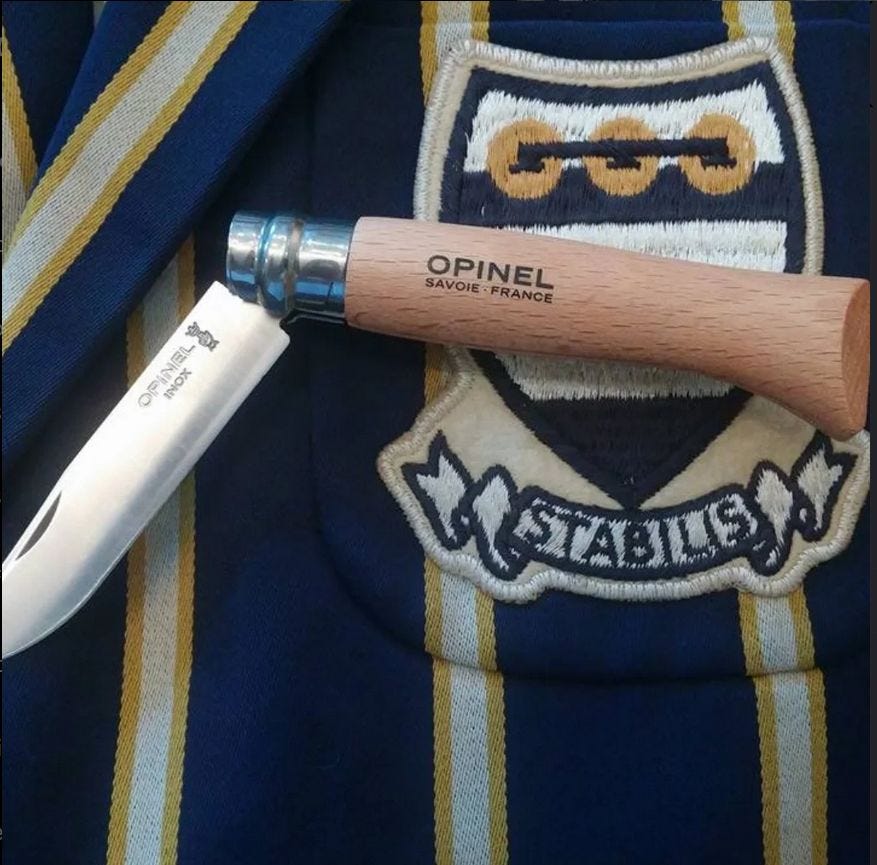
No tale of Grey College is complete without a nod to its fiercest rival, Paul Roos. Their taunt—“Roos is a legend, Grey is a colour”, is a classic jab, but let’s set the record straight. Paul Roos may be named after a singular “legend” (or a flower, some might say, a bit of a pansy), but Grey? Grey is the colour of bullets, forged in the fire of true grit. Named after Sir George Grey, a hero of South Africa, the British Empire, and New Zealand, the school embodies a legacy of resilience and courage.

Grey College has produced heroes who’ve shaped nations: MT Steyn, Denys Reitz, Sir Laurens van der Post, and a legion of Springboks like MornĂ© du Plessis. And then there’s Ronald Bartels, class of ’84, a legend in his own right, as his good mate Eion “Klaas” du Toit postulated. He may not yet have a statue like Roos, but give it time, Bartels’ story is still being written, and it’s one of grit that outshines any myth or fantasy. And he is just one of thousands of other Greybrakke, who have forged their own story and legacy. The above is an example of being windgat, which is par for the course for any Greybrak.

The Last Noggin with Klaas

The final time I saw Klaas was at a lively Noggin in Parkview, a night that still lingers vividly in my memory. He’d come up to Joburg from the Cape, where he’d made his home, for some business. We met at the Golf Course, and it was like no time had passed. Klaas, with his larger-than-life presence, filled the room with his booming voice and infectious energy. We dove into a marathon catch-up, trading stories and laughing over all the Grey skinder—those tales of old schoolmates and their antics that never failed to spark a chuckle. The man could talk the hind legs off a donkey, and I loved every second of it.

As the evening wound down, I drove him to his Bed and Breakfast, both of us still chuckling over some half-remembered prank from our school days. We said our goodbyes, casual and warm, with no hint of finality. That was the last anyone would see him alive. Klaas passed away in his sleep that night, taken by an apnea that stole him far too soon.

I made the trip down to Paarl for his funeral. The service was held in the kerk, a solemn affair that somehow felt too small to contain the spirit of such a big man. He was a big man. We stood outside the kerk, gauging who was the strongest and youngest to carry in the coffin, which would have been on the really heavy side. However, the undertaker had that covered as Klaas was pushed into the kerk on a set of wheels with no heavy lifting required. We all sighed in relief. Afterward, we gathered for an impromptu Noggin at the Slug and Lettuce, raising glasses to Klaas, sharing stories, and laughing through the ache. Dammit, I miss the big guy. His absence left a hole that no amount of skinder or Castle Lager can fill, but I’ll always carry that last evening in Parkview, his voice echoing through the memories.

There was also a memorable trip I took with him from Jozi to Bloem for the school birthday. It was 5 hours of talking the hind legs off of a donkey. Klaas owned a wine shop in Paarl named the Thirsty Cyclist. We discussed that when my ship comes in I’ll have a side hussle with him of a boutique sparking wine brand with catchy names. In the shops there was one named Gorgeous and I had to buy it. The only better name for it would have been Bodacious. Then there are names like Fat Bottomed, Blonde Bombshell, Black Irish, Cowgirl, Fourty One, Oakvilla, Babbling Brook, and Mastelek. It sounded like so much fun as long as we broke even

The Grey Vibe | Kuifs, Handshakes, & Heroes

What makes Grey special isn’t just its history or its heroes, it’s the vibe. It’s the secret handshake you learn as a boy and carry into manhood. It’s the passion for the school that pulses through every Old Grey, whether you rocked a kuif back in the day or not. It’s the way a Noggin feels like coming home, no matter how many years have passed or where life has taken you.

Grey College isn’t just a school; it’s a way of life. The Noggins are proof of that, a chance to raise a glass, share a laugh, and honor the brotherhood that started it all. So, if you’re an Old Grey, find your nearest Noggin. If you’re not, well, you can only wish you knew what it’s like to be part of this legendary crew. Here’s to Grey, to grit, and to the Noggins that keep the fire burning.

Noggins & Scrums | A Maties Memoir

Back in my student days at Maties, life was a blur of lectures, late nights, and the kind of reckless fun that only youth can justify. One memory that stands out is a Noggins at the Wine Route Hotel, a raucous gathering that’s still legendary in my mind. The guest list was a mix of us rowdy students and, to our surprise, none other than MornĂ© du Plessis, the Springbok legend himself.

The evening started innocently enough, with drinks flowing and stories bouncing around the room. Somehow, the conversation turned to Morné’s infamous tackle on Naas Botha, a moment etched in rugby history. One of the lads, probably fueled by a few too many, suggested we reenact it. Before I knew it, we were clearing space in the hotel lounge for an impromptu scrum. I found myself in the front row, shoulders squared, ready for what I thought would be a bit of a laugh.

But as soon as we locked in, the joke turned deadly serious. It was as if the spirit of the game took over. The scrum surged forward, a chaotic tangle of grunts and shoving. I don’t know what happened behind me, probably a mess of flailing limbs and questionable technique, but the whole thing collapsed into a massive pile of bodies, laughter echoing through the hotel. We were a heap of sweaty, grinning idiots, and MornĂ©, standing off to the side, just shook his head with a chuckle. That night, we learned that even a playful scrum could carry the weight of real passion.

Years later, up in Joburg, I had another brush with rugby royalty. I bumped into the famous Du Plessis brothers, Jannie and Bismarck, both Springbok heroes. It was a somber moment, as Jannie had just lost his son in a tragic accident. I offered my condolences, feeling the weight of his grief in the quiet way he nodded. Despite the heavy moment, they both called me “Oom,” a term of respect that hit me like a ton of bricks. Bliksem, I felt old.

We got to talking, and the conversation turned to Bismarck’s iconic tackle on Dan Carter. It was one of the biggest injustices in Rugby history where a perfectly legit tackle was ruled as “No hands and high”. Absolutely rubbish. The memory sparked a grin, but when someone half-joked about reenacting it, I waved them off. “No ways,” I said, “I’m too old and too much of an Oom for that nonsense now.” We laughed, but I couldn’t help feeling a pang of nostalgia for the days when I’d have been the first to dive into the chaos. Life moves on, but those Maties nights and chance encounters with legends? They’re the stories I’ll carry forever.

Noggins in the Big Smoke

Fresh out of the Navy, with salt still crusting my boots and the sound of the sea echoing in my ears, I landed in Johannesburg, the Big Smoke, they called it, a glittering beast of a city that swallowed wide-eyed country boys like me whole. The air was thick with possibility and exhaust, and I was itching to make a difference as a computer programmer.

My first Noggin was a baptism by fire, courtesy of Gordon. Ah, Gordon, that wiry friend who was always gunning for trouble, like a lit fuse in a powder keg. We were at some sports club in the suburbs, the kind with sticky floors and fluorescent lights buzzing like angry hornets. It started over nothing, as these things do: a spilled drink, a sideways glance, who the hell remembers? The other guy was a fancy pants builder. I later heard whispers about him, turns out he threw these wild client parties where the entertainment ran hot, strippers slinking in like forbidden fruit. Nudge, nudge; you know the drill, wink-wink. The sort of thing that made the wives clutch their pearls and the husbands clear their throats.

Anyway, the argument escalated in that predictable, testosterone-fueled way, voices rising like steam from a kettle. Fists flew, chairs scraped, and before I knew it, I was in the thick of it. I sighed, that deep, world-weary exhale of knowing what was coming, and went all in. Should’ve known my aim was wonky. I lined up what I thought was a guy’s jaw, wound up like a spring, and unleashed a haymaker with every ounce of sailor strength I’d built hauling ropes and dodging swells. But fate, that sly joker, had other plans. My fist veered just a hair, plowing straight into a goddamn brick wall like it had a personal grudge.

The pain hit like a depth charge, white-hot, blooming from my knuckles outward, exploding into my arm and dropping me to my knees. Blood welled up in fat, accusing rivulets, knuckles split open like overripe fruit. I collapsed in a heap, the world blurring at the edges, the roar of the fight fading to a distant hum. Don’t remember much after that... just fragments: mostly Gordon’s laugh cutting through the chaos.

But if my debut was a comedy of errors, the true legends of Noggin lore belonged to the old geezers from the ‘50s, the silver-haired warhorses who wore Safari suits but never lost their appetite for mayhem. They were the architects of the tradition, back when Noggins were less about settling scores and more about thumbing your nose at the crusty high society. And one of their crown jewels? The night they arranged for Glenda Kemp and her python to make an appearance.

Glenda Kemp, what a force she was, a platinum-haired hurricane in fishnets and defiance, born in ‘49 to a buttoned-up Afrikaans family in Bloemfontein that would’ve fainted at the sight of a bare ankle. By the ‘70s, she’d shattered every stained-glass window of apartheid-era propriety, stripping onstage with a three-meter Burmese python named Oupa coiled around her like a living tattoo. Oupa, ”Grandpa” in Afrikaans, slithered across her skin as she danced, a mesmerizing tangle of scales and seduction that had audiences gasping and the police vice squad frothing at the mouth. Picture it: dim lights, tribal drums thumping like a heartbeat, and this lithe rebel shedding layers while the snake’s unblinking eyes dared the crowd to look away. She wasn’t just dancing; she was rebelling, a white Afrikaner girl flipping the bird to the tannies, the politicians, and the whole unwieldy and restrictive environment that choked South Africa back then.

The cops raided her shows like clockwork, Joburg clubs, Cape Town dens, you name it—hauling her off for “public indecency” while fans cheered and dominees preached fire and brimstone. But Glenda? She just laughed it off, quipping once that the police didn’t know whether to arrest her or the snake. It made her a star, a scandal sheet staple, even landed her in a gritty ‘76 flick called Snake Dancer, where she played a version of herself, all sass and serpent. The old geezers, bless their leathery hides, must’ve pulled every string in their Rolodex to get her to a Noggin, imagine the backstage haggling, the winks over brannas: “Bring the python, skattie; it’ll liven up the manne.”

We weren’t around for it, of course, those of us from the national conscription intakes came later, chasing echoes of the glory days. But it’s etched into Noggin legend now, passed down like a sacred scar: the night the air hummed with whispers and wide-eyed awe, arguments forgotten as every eye locked on that slithering spectacle. We chuckle about it still, over warm Castle lagers, slapping knees and shaking heads. “Wish I’d been there,” we say, half-joking, half-envious, toasting to the geezers who lived it loud. In a city that chews up dreams and spits out dust, stories like Glenda’s, wild, unapologetic, wrapped in scales, reminding us what we keep together.

A Noggin with Grant in Dunkeld

Grant, my mate from Kroonstad, and I go way back, nearly half a century of friendship, starting from our school days. The kind of bond where you’ve seen each other through bad haircuts, worse decisions, and the occasional stroke of genius. Grant always seem to suffer bad haircuts! Grant was a Lebanese Catholic and I was a German Lutheran. One particular memory stands out, a night that’s become legend between us, sealed with a laugh that still echoes.

It was a lively evening at a noggin in Dunkeld, one of those spots where the vibe is just right, buzzing but not chaotic. We grabbed a table, and right next to us were two stunning women, all charm and confidence. Grant, never one to miss an opportunity, flashed his classic grin and ordered them drinks, smooth as you like. I could see him gearing up for one of his bold moves, the kind that usually ended with either a phone number or a story to tell.

Now, I’m not sure what it was, maybe the way they leaned into each other or the knowing glances they shared, but something about the scene felt off to me. Call it instinct. Grant, though, was in full charm mode, laying it on thick. Then, out of nowhere, one of the women leaned forward, all politeness, and dropped the bomb: “Thanks for the drinks, but we’re lesbians.”

The look on Grant’s face, priceless. Shock, a flicker of disbelief, then the slow dawn of realization. I couldn’t hold it in. I hit the floor, literally rolling with laughter, tears streaming as Grant tried to salvage his dignity. The women were good sports, chuckling along, but I was done for.

From that night, a running joke was born. I’d deadpan, “Lebanese are from a country, but lesbians are not from Lebanon” and we’d both lose it all over again. It’s the kind of story that defines a friendship, a moment of pure, unscripted hilarity. Here’s to you, Grant, and to many more noggins, and laughs, in the years to come.

Ronald Bartels | LinkedIn | Instagram