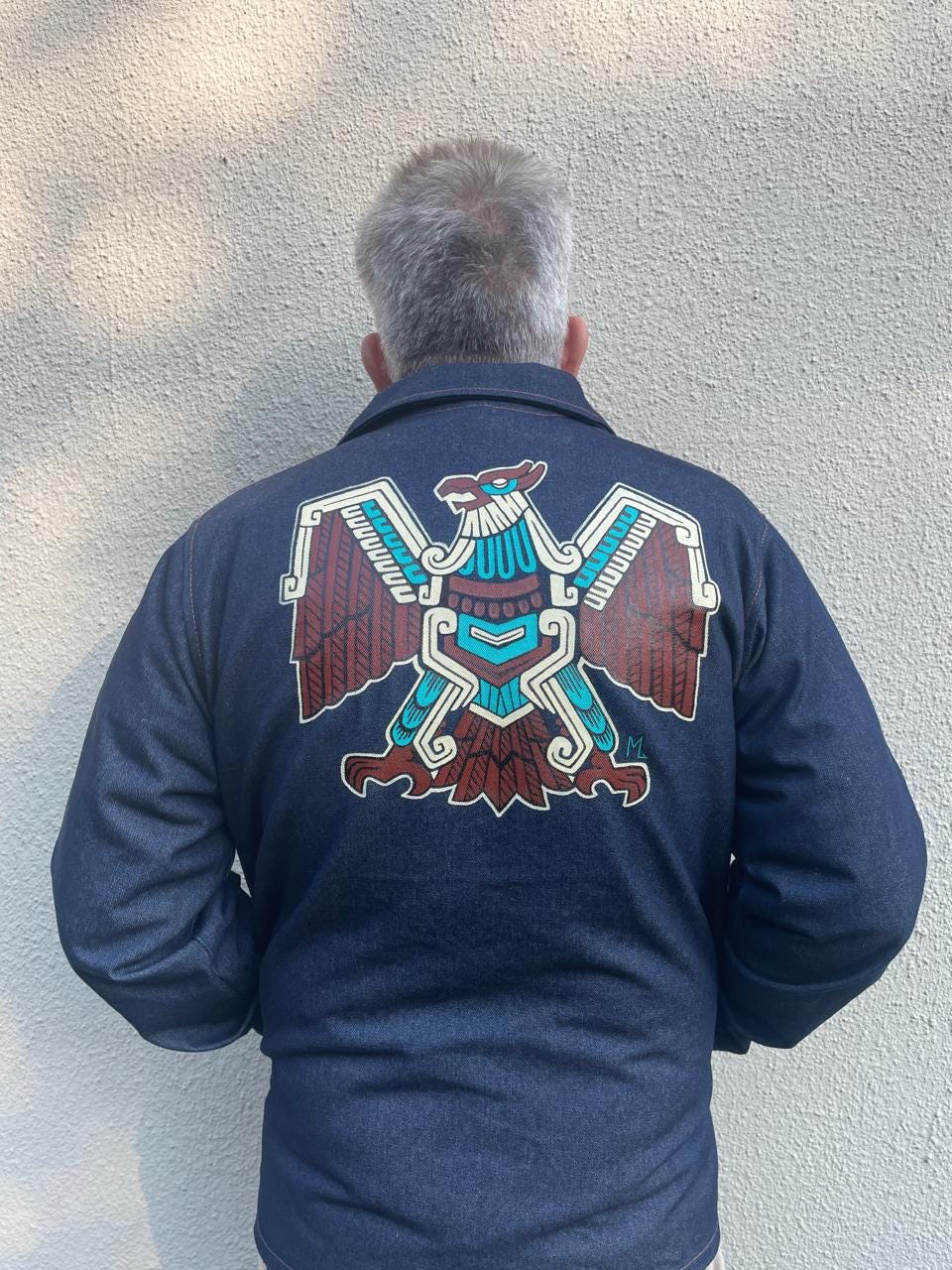
The Morning Patrol with Mastelekđź’Ş

Stories of Mastelek who enjoys farming Boweia Volubilis

A list that was created for Kath

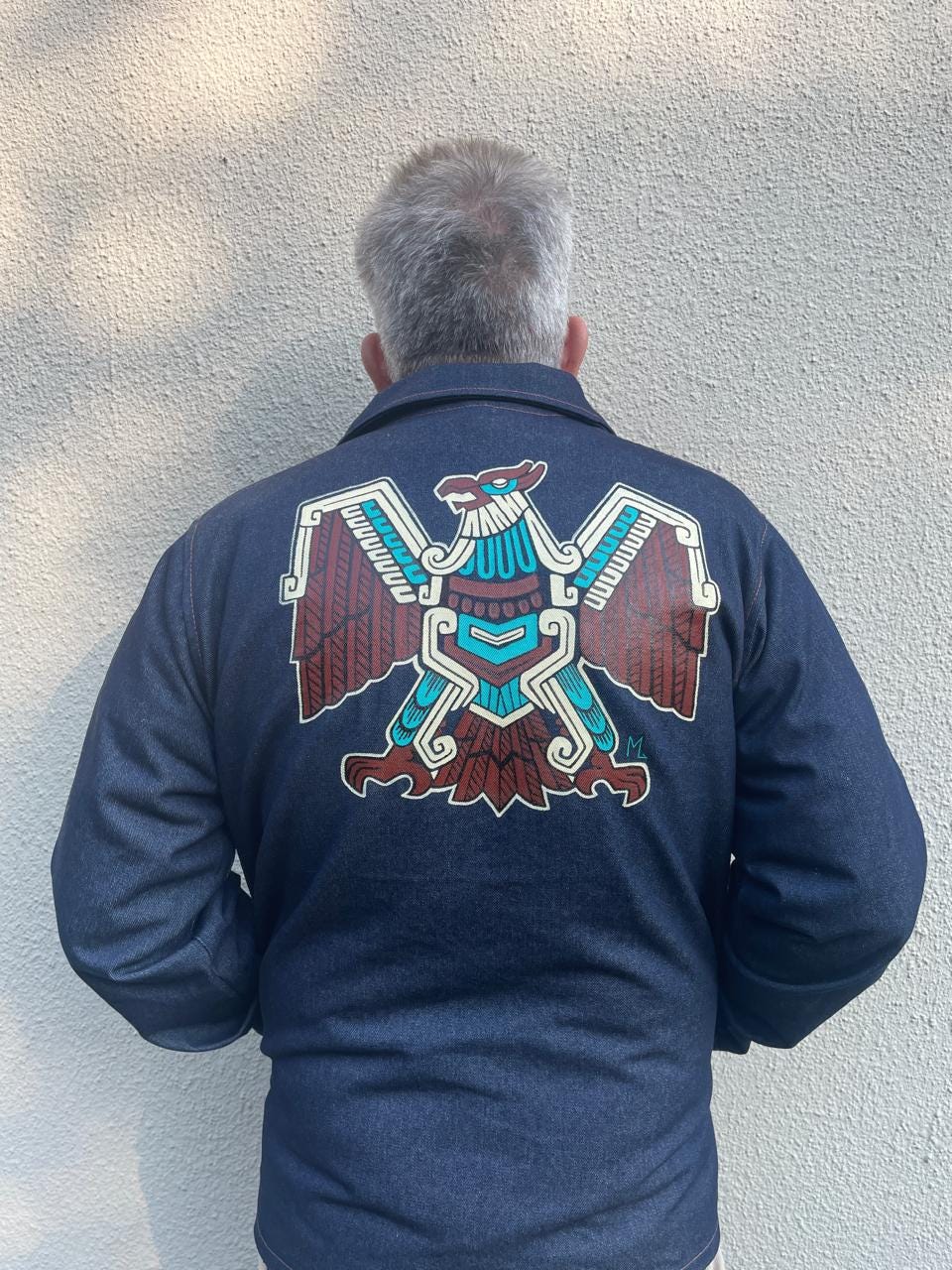
Kathleen (Kath) & I were only married for less than a dozen years, and then she was gone. The memories remain and ever so often, there is something that reminds me of her. The clouds in the sky, where she would lie on the front lawn with the boys and look up into the beautiful Jozi sky and point out the shapes of animals, especially dogs (mostly Poodles and Dachshunds). I look into those clouds & see angels.

I was searching on my hard drive for a presentation I had of Carrier Ethernet. There was a document named “10 things” and so I clicked on it. It was something Kathleen asked me to do, write down 10 things I liked about her. She was like that, always reading and doing things. She made the partnership work and as I read this it dawned on me that each little thing is easy and when you put them all together it is awesome. Life and my career was so much easier when she was around...

Here is the list:

  1. She is the best companion anyone could have.

  2. She is sophisticated.

  3. She dresses well.

  4. She is a good mother.

  5. She helps me with household chores.

  6. She reminds me when I am forgetful and rushed.

  7. She supports me in my career.

  8. She is a good lover.

  9. She takes time to be compassionate.

  10. She is ambitious.

Ronald Bartels | LinkedIn | Instagram

A captivating laugh that still echoes

In the sun-drenched suburbs of Douglasdale, on the outskirts of Johannesburg, where the jacaranda trees bloom in a riot of purple every spring, is where I lived with Kathleen. I met her when I was in my early thirties, a technical account manager navigating the chaos of post-apartheid South Africa, trying to build a life amid the chaos of the city. She was in her late twenties, a vibrant young lady working in public relations with a laugh that could cut through the thickest Highveld thunderstorm. We crossed paths at Madge Networks, she would have a commanding presence in meetings, and I, clumsy and curious, would be there with a mouth full of teeth. We clicked at a computer show to the music of Hot Chocolate, and eventually, a shared home in a quiet neighborhood, where we raised together for just less than a decade, our two boys, Ray and Callum.

Our relationship was a tapestry woven from contrasts. Kathleen was the free spirit, always advocating for natural living: herbal teas over coffee, meditation over medication, and things organic. I was the pragmatist, grounded in logic and schedules, but her energy pulled me out of my shell. We balanced each other like yin and yang. She taught me to breathe deeply during stressful deadlines; I convinced her to occasionally indulge in a braai with friends. Our boys were the heart of it all, Ray, the energetic one, and Callum, the dreamer. Family dinners were filled with stories, laughter, and Kathleen’s insistence on “no screens at the table.” We traveled when we could, hiking in the Drakensberg or picnicking in the Walter Sisulu Botanical Gardens, creating memories that felt eternal.

But as Kathleen approached her forties, subtle shadows crept in. She started complaining of fatigue, back pain that she dismissed as “just stress from editing too many deadlines.” I urged her to see a doctor, properly, with tests and all, but she waved it off with that familiar smile. “Listen to your body,” she’d say, echoing her own philosophy. Instead, she doubled down on her natural remedies: essential oils, acupuncture, and a strict diet overhaul. The week before everything changed, she visited a homeopath who pinpointed her issues to her diet, too much bread, she claimed, aggravating some intolerance. She came home resolute, purging our pantry of flour-based foods, preaching about the evils of wheat and sugar. I humoured her, but worry gnawed at me. How ironic, I thought later, that she ignored the very crisis she defined in her own words: conventional medicine only for heart attacks or injuries.

Those final days were a blur of normalcy laced with unspoken fear. Kathleen threw herself into her routine with renewed vigor, as if willing her body to comply. Mornings began with fruit for the boys, followed with yoga sessions at a studio. Evenings, we’d sit on the patio, watching the sun dip behind the Magaliesberg hills, talking about the future, Ray’s upcoming school projects, Callum’s dreams, our plans for a holiday and a James Blunt concert at the Dome. She seemed lighter, almost ethereal, but I caught her wincing now and then, clutching her side. “It’s nothing,” she’d insist. “Just need more veggies and remedies.”

One evening, as the boys slept, she sat at her desk upstairs under the warm glow of the pendant light, scribbling on a notepad. “Just some notes,” she said when I asked. It was her final letter to Ray and Callum, words poured from her heart like a quiet farewell she didn’t know she was writing. In it, she urged Ray to use Bach flower remedies and GABA for calmness, reminded them both to prioritize natural medicine over conventional unless in a crisis. She warned against wheat and sugar, encouraged daily exercise, massages, and a life filled with organics. But beyond the advice, it was a love letter: “The two of you are my pride and joy... Thank you for giving us a reason to live! I know both of you will excel... Be happy my darlings. I love you more than life itself. Marry someone who adores you and treats you kindly. Life is hard. Choose a worthy partner.”

The next day, she headed to a Bikram yoga class, the hot room a sanctuary she swore by for detoxification and strength. I kissed her goodbye, the boys waving from being dropped off at school. Hours later, the call came, the kind that shatters worlds. Undiagnosed coronary artery disease. A silent killer that struck mid-pose, her heart giving out in the sweltering heat for the studio and me rushing to clutch her hand a final time. She was 41, gone in an instant, leaving a void as vast as the African sky.

In the aftermath, grief twisted into anger. I detested homeopathy, that well-meaning but misguided path that delayed real help. Why hadn’t she listened? Why hadn’t I pushed harder? But beneath the rage was gratitude, for the years of love, the boys who carried her spirit, and the relationship that shaped me. Kathleen taught me that life isn’t just about logic; it’s about connection, listening to the whispers of the heart, even when they lead to heartbreak. We were partners in every sense, flawed and fierce, and though her final days were marked by denial, they were also filled with unwavering love. In Douglasdale, under those jacarandas, her memory blooms eternal.

Legacy

As I sit here in our Douglasdale home, years after your mother’s passing, the echoes of Kathleen’s laughter still linger in the rooms, mingling with the scent of the jasmine she planted in the garden. She was more than a wife to me; she was the light that guided our family, a woman of unwavering grace, kindness, and quiet strength. At 41, she left us too soon, felled by an undiagnosed heart condition during that fateful Bikram yoga session, a reminder of how fragile life can be, and how fiercely we must protect the legacies of those we’ve lost. Now, as you, Ray and Callum, grow into young men, I find myself reflecting on the expectations I hold for you, not as burdens, but as beacons to illuminate your paths. These are not mere rules; they are the threads that weave her memory into the fabric of your lives, ensuring that her spirit endures through you.

First and foremost, I expect you to be gentlemen, not in the outdated sense of stiff collars and superficial manners, but in the profound way your mother embodied: with integrity, empathy, and respect for all. Kathleen treated everyone she met with a warmth that made them feel seen, whether in a yoga class struggling with a pose or a neighbour needing help. She listened without judgment, offered help without expectation, and stood firm in her values without ever raising her voice in anger. Be like that. Open doors not just literally, but figuratively, create opportunities for others, stand up against injustice, and choose kindness even when the world tempts you toward cynicism. But being gentlemen is only the foundation; I expect more from you. Excel in your pursuits, whatever they may be, with the same passion she poured into her own wellness. Ray, with your thoughtful nature, perhaps you’ll channel that into creative endeavors or helping professions. Callum, your boundless energy could lead you to adventures or leadership roles. Whatever you choose, do it with excellence, humility, and a commitment to making the world a little better, just as she did.

Yet, honoring her legacy demands vigilance against choices that could tarnish it. Your mother was a staunch advocate for natural health, warning in her final notes about the dangers of wheat, sugar, and anything that clouded the mind or harmed the body. She believed in listening to your body, exercising daily, massages for restoration. But let me be crystal clear: marijuana or any other drugs were never an option in our home, not in the past when we built our life together, not now as you navigate your teens and twenties, and certainly not in the future, no matter the temptations or societal shifts. Kathleen detested it and its dependency; she saw it as a betrayal of the vibrant life she championed. I’ve seen too many lives derailed by such paths, and I won’t allow her memory to be associated with them. If the thought even crosses your minds, pause and ask yourselves: Would this make my mother proud? The answer, I assure you, would be a resounding no. Her legacy is one of clarity, vitality, and purpose, behaviors that dim that light, whether through substance use, recklessness, or moral compromise, are simply not on. They erode the precious foundation she built for us.

Remember her words in that heartfelt letter she left for you: “The two of you are my pride and joy... Be happy my darlings. I love you more than life itself. Marry someone who adores you and treats you kindly. Life is hard. Choose a worthy partner.” Let those guide you. In moments of doubt, picture her, flowing through her yoga poses with that serene smile, or in the kitchen, cooking our meals. Would your actions align with the woman who gave us all a reason to live? Strive to make her proud not out of obligation, but out of love, for her, for yourselves, and for the family we remain. In doing so, you’ll not only honour Kathleen but carry her forward, turning our shared grief into a legacy of enduring strength and joy. My boys, you have it in you; I see her in your eyes every day. Make it so.
Ronald Bartels | LinkedIn | Instagram
Irish road trip

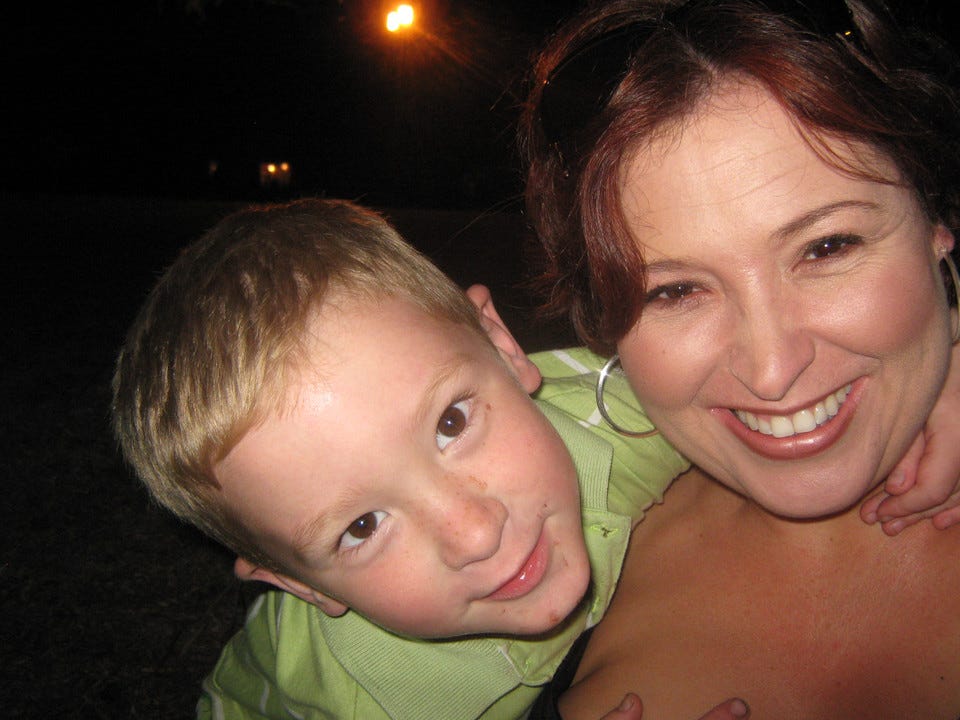
The jeers & the booing of the Lansdowne Road crowd still echoed in my ears as I slumped in my chair, the Springboks’ victory over the Irish fresh in my mind. It had been a brutal affair on that memorable Saturday evening, our Bok scrum had turned the Irish pack into a crumpled heap, shoving them back so hard that Andrew Porter’s neck was compressed against his arse. Yellow cards flew like confetti; I swear there were more bookings than Christmas cards I’d ever gotten from distant acquaintances or my classmates from 1984. But celebration was short-lived for me. The lurgy had me in its grip, H3N2, that sneaky bastard I’d picked up at the Africa Tech Festival in Slaapstad, courtesy of some jet-lagged visitors from Blighty. My body was in a battle: fever spiking, joints aching like they’d been tackled by Malcolm Marx, & a cough that rattled like the Outeniqua Choo-Tjoe chugging up a steep hill.

I dragged myself to bed, sipping MedLemon & wrapped in my cowboy blanket, hoping sleep would grant mercy. In any case, Buzz, our old mutt wanted the chair back. Instead, sleep delivered delirium. As the fever crested, the world blurred, & I slipped into a dream so vivid it felt like I’d swapped my sweat-soaked sheets for the open road.

There I was, standing on the bustling docks of Dublin, the salty tang of the Irish Sea mingling with the metallic scent of shipping containers. My old faithful had arrived, my white BMW 320i from the nineties, that sleek beast with the kidney grilles & the engine that hummed like a well oiled sewing machine. I’d shipped her over in a massive metal box, & now she gleamed under the overcast sky, keys dangling in my hand, fueling expectation. No rugby aches here; I felt alive, invincible, sliding into the leather seat that molded to me like an old glove.

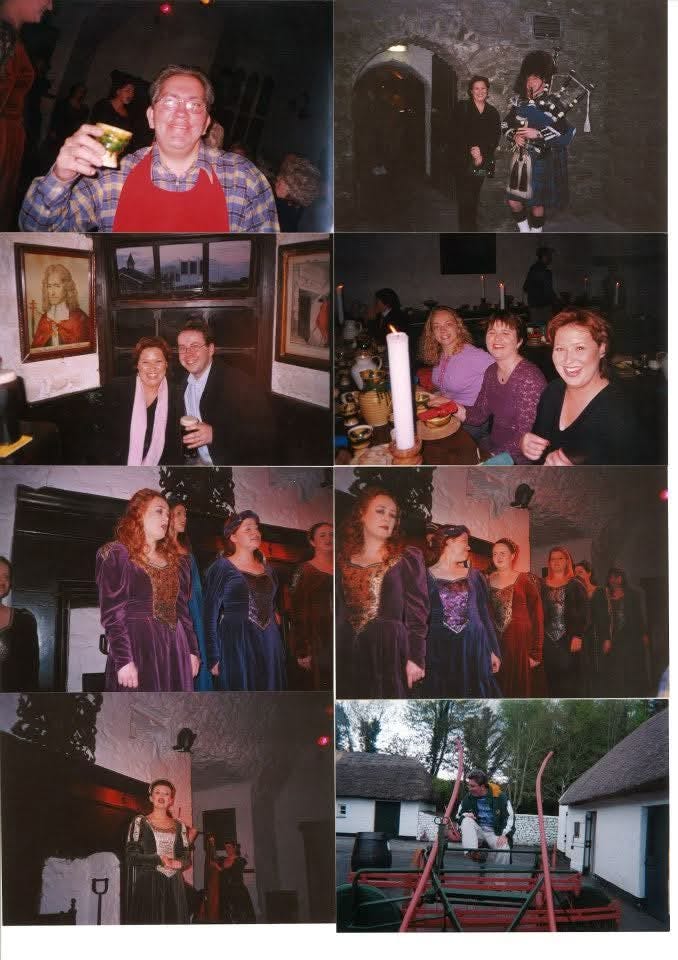
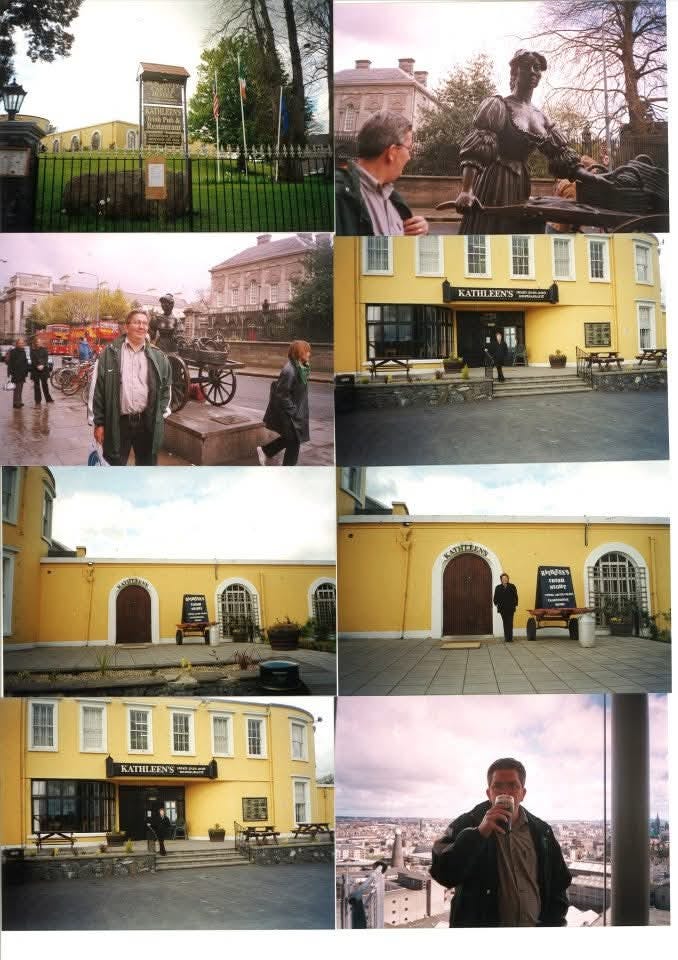
I fired up the engine, & off we went, weaving through the city streets. First stop: the brass statue of Molly Malone, her wheelbarrow piled high with cockles & mussels. As I cruised past, the radio crackled to life, Sinéad’s voice filling the interior, her haunting tones making the experience surreal. I recalled my own girl who was so pretty, the sweet Kathleen. It was the perfect soundtrack for this emerald isle adventure. Over the Ha’penny Bridge spanning the River Liffey, the water below rippling like a rugby pitch after a downpour. I glanced at the General Post Office, its stone facade pocked with bullet holes from the Easter Rising, a reminder that history here was as fierce as any scrum.

Past St. James’s Gate, where the Guinness brewery loomed like a dark fortress, the air thick with the scent of roasting barley. Then, out of the city, heading west into the heart of Ireland. The countryside unfurled like a green tapestry, rolling hills dotted with sheep, ancient stone walls snaking across the landscape. Ruins whispered secrets: crumbling cathedrals with ivy-cloaked spires, manor houses reduced to skeletal frames by time & turmoil. I pushed the BMW harder, the wind whipping through the open window, carrying the faint echo of bagpipes or perhaps just my imagination.

Northward now, to the Giant’s Causeway. Hexagonal basalt columns rose from the sea like stepping stones for mythical titans. I half-expected dragons to emerge from the mist, their scales glinting in the pale light, roaring challenges like the Bok front row. But the only fire was the thrill in my veins as I parked & wandered the paths, the Atlantic crashing below.

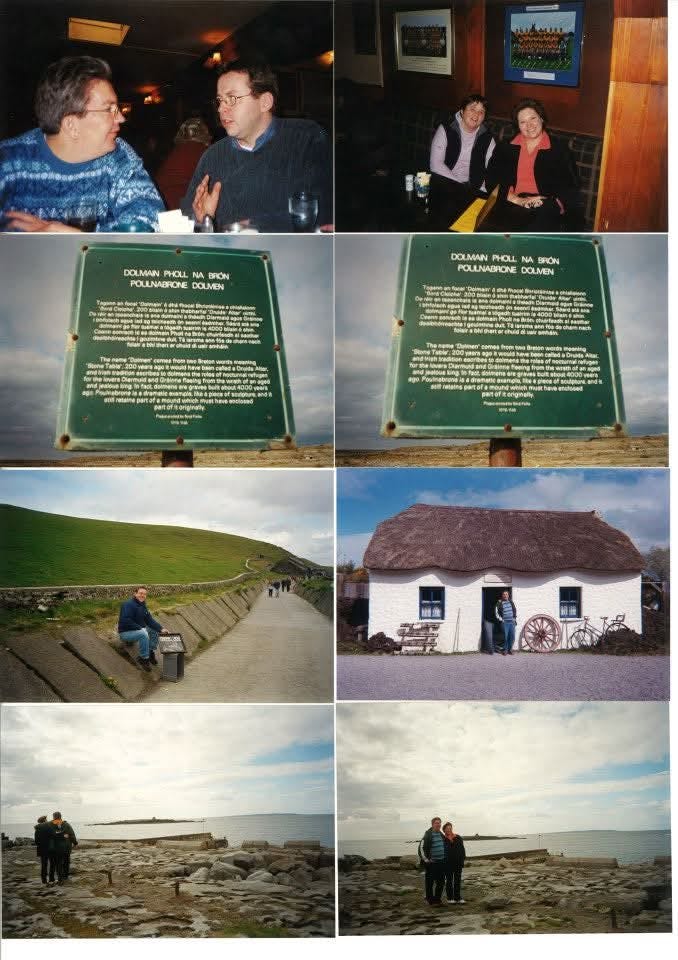
Turning south, I traversed the Burren, a stark, lunar karst landscape where wildflowers defied the rock. I pulled into a quaint white fisherman’s cottage for the night, its thatched roof sagging under the weight of stories. The sea lapped at the shore outside, & as dusk fell, I dreamed within the dream of ancient rituals. Driving on at dawn, I passed dolmens, massive stone portals where the ghosts of druids lingered, their ethereal forms flickering in the rearview mirror, chanting incantations that blended with the hum of the tires.

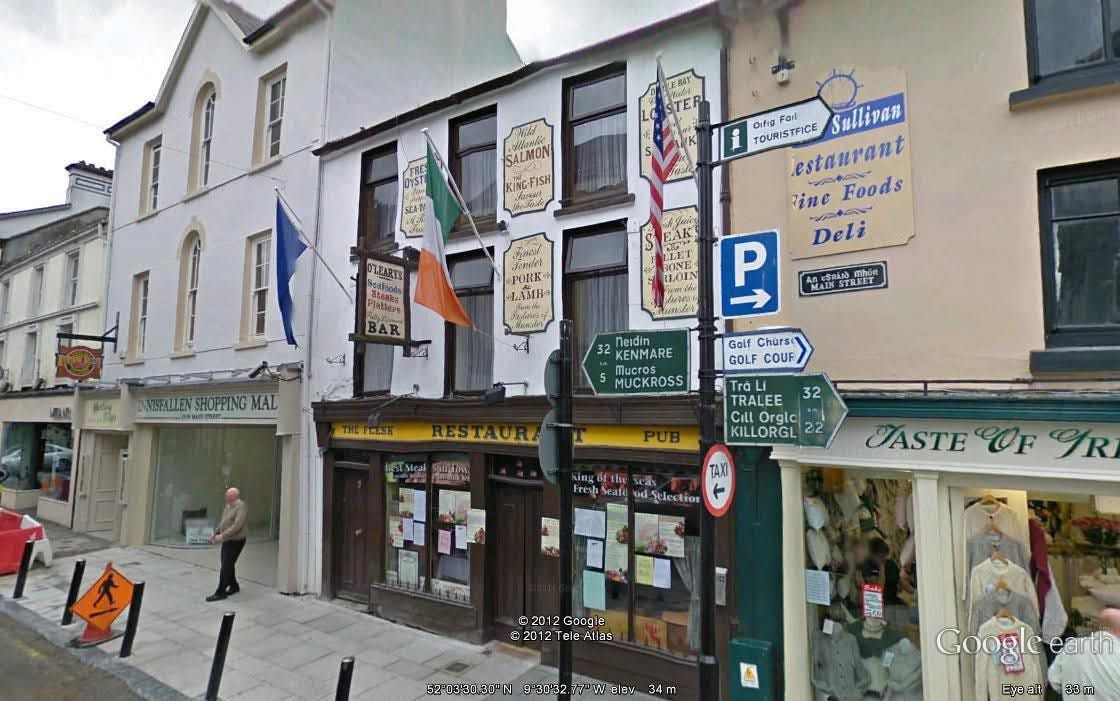
Castles dotted the route: Bunratty’s towering keep, where medieval banquets once echoed with laughter; Killarney’s romantic ruins nestled in lakeside splendor. I paused at the Blarney Stone, leaning back to kiss it under the watchful eye of grinning tourists, hoping for the gift of the gab to elevate my own stories. Further along, I spotted Mustang Sally’s, that lively spot pulsing with energy, & below it, the restaurant where Kath had raved about the best meal of her life. I could almost taste it, the headline dish, a perfectly grilled salmon, flaky and buttery, paired with a crisp white wine that cut through the richness like a well-timed offload.

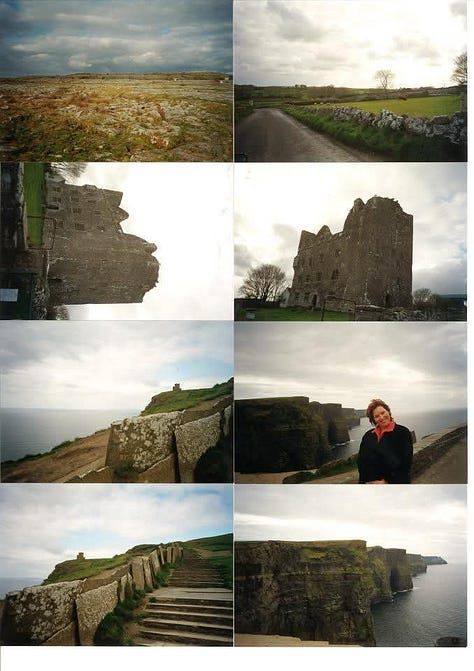
The journey climaxed at the Cliffs of Moher. I parked the BMW at the edge, the Atlantic stretching infinitely below, waves thundering against the sheer drops. Sitting there, engine idling softly, I tuned the radio once more. Dolores’s voice emerged, raw & ethereal, crooning “Linger.” The lyrics wrapped around me like the mist rising from the sea, haunting, poignant, a reminder of things lost & longed for. The sun dipped low, painting the sky in hues of rugby gold & green, and for a moment, Ireland felt like home. I turned, expecting Kath to be in the seat next to me, but she was not there. The only thing that lingered were distant memories of her scent & laugh.

Then, abruptly, I woke. Sweat drenched the sheets, my body still wracked by the fever’s grip. Heart pounding, I sat up, disoriented. How was I going to get my car back from Ireland? The logistics swirled in my foggy mind, shipping fees, customs, the endless paperwork. It took a long, bleary minute for reality to crash in: that BMW had been sold decades ago, traded for something more practical. But in that dream, she’d been reborn, the car of my dreams in every sense, timeless, adventurous, a vessel for escape.

As the cough returned & the rugby highlights flickered through my head, I smiled through the haze. Maybe the lurgy had been a gift, turning a sick night into an epic odyssey. Ireland called, even if only in fevered reveries. One day, perhaps, I’d make it real, no dreams of shipping cars in containers needed.

Ronald Bartels | LinkedIn | Instagram

Descendant of Trekkers & a Stubborn Ouma

In my family’s history, few threads stand out as vividly as those woven by my Ouma Joey, Johanna Maria Magdalena, to give her full name. She was a force of nature, a woman who chain-smoked her way through life until emphysema claimed her in the eighties. I remember visiting her just before the end, watching her gasp for breath like a fish hauled from the water, her chest heaving with the effort of simply existing. That image seared itself into my mind, a warning that steered me clear of cigarettes forever. Even dagga, with its foul, acrid stench, has no appeal, disgusting stuff, and worse for the lungs. I have no idea about why stoners use it. Ouma’s struggle was my silent vow: I’d never let smoke steal my air or life.

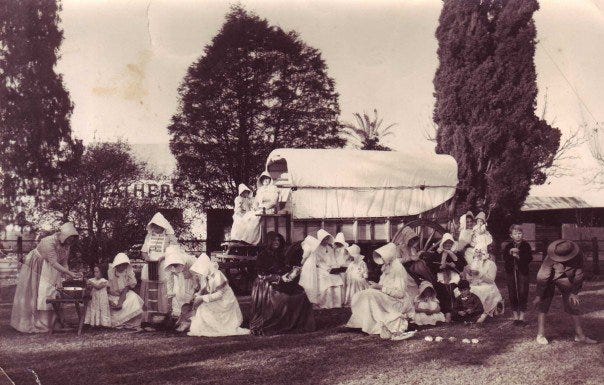
But Ouma Joey was more than her vices; she was the keeper of our clan’s lore, always reminding us that we were part of the proud Maritz lineage. Her mother had been a Maritz before marrying a Bruyns, and Ouma never let a family gathering pass without invoking that heritage. “We’re Maritz blood,” she’d declare in her strong Afrikaans ascent, her voice raspy from years of tobacco. To her, it meant we descended from heroes of the Great Trek, that epic northward migration of Dutch-speaking settlers fleeing British rule in the Cape Colony two centuries ago. Gert Maritz was one of those legendary Voortrekker leaders, a wagon builder and resourceful recruiter who guided the Boer families from Graaff-Reinet across the Orange River into the interior. He wasn’t just a farmer; he was a provisional field cornet, as well as a skilled artisan who kept the trek’s machinery rolling through harsh terrain. His group joined others in the push for freedom, establishing laagers and facing down threats from indigenous groups like the Ndebele. Tragically, Gert died of the lurgy at Sooilaer, near the Tugela River, but his legacy as a steady, principled leader endured. Ouma saw him as the true hero—a man of action and integrity, not the flashier figures who stole the spotlight.

And oh, how she’d rail against his nemesis, Piet Retief. To Ouma, Retief was no shining icon but an unsavory opportunist, a clumsy hero elevated by Afrikaner mythology more through folly than foresight. Piet Retief, born to Huguenot descendants, had a checkered past: repeated bankruptcies from failed land speculations and livestock ventures, losses in Xhosa raids, and a knack for financial missteps that left him deep in debt. He commanded expeditions in the Xhosa Wars and became a voice for disgruntled frontier farmers, penning a manifesto decrying British policies like inadequate slave compensation after abolition. In the Great Trek, Retief emerged as a leader, elected governor of the united laagers and pushing for settlement in Natal. He negotiated with Zulu King Dingane for land, recovering stolen cattle as part of the deal, but his trust proved fatal. He and his men were massacred at Dingane’s kraal, unarmed and ambushed during a supposed celebration. Ouma called it stupidity, not strategy; Retief’s naivety sparked the Battle of Blood River and cemented his martyrdom, but she insisted it was his fate, even divine intervention.

What galled her most was how Retief had insulted Gert Maritz along the way. Notably that last day when he went to Dingaan’s kraal and rode past Maritz’s wagon and called him a lafaard. During the trek, leadership tensions boiled over: Retief was voted governor and chief commandant, while Maritz was relegated to president and judge, a setup that exacerbated rivalries among the Voortrekkers. Maritz and others clashed with Retief, and Ouma spun it as a direct slight to the Maritz Clan, overshadowing his contributions. Even Pietermaritzburg, the city named for both (originally Pieter Maritz Burg), felt like a grudging nod to her hero. “Retief got the glory,” she’d grumble, “but Maritz was the one with honour.”

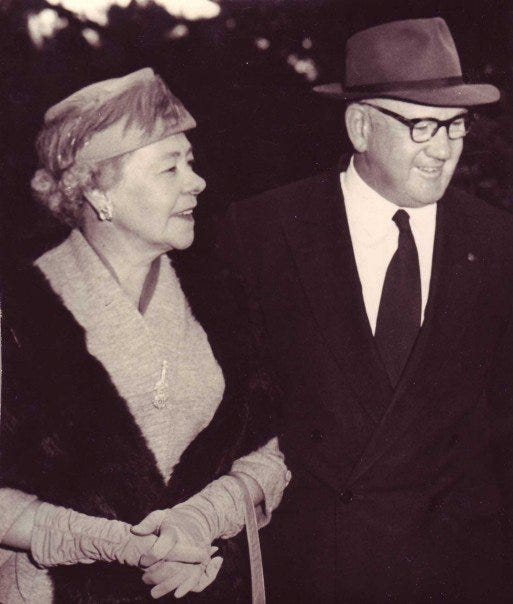
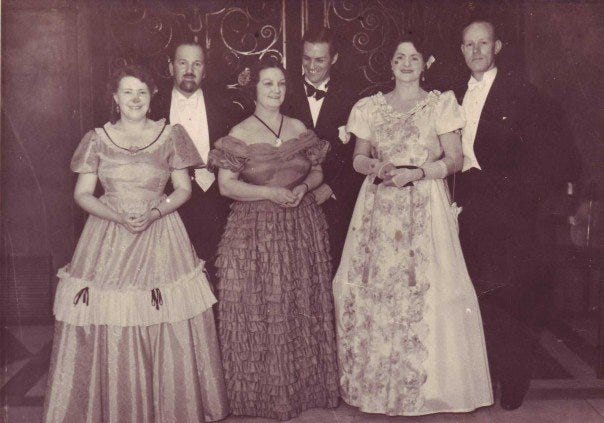
Ouma embodied that Afrikaner spirit in her daily life. She spoke only Afrikaans, dishing out tripe and kop en pootjies, those hearty, offal-heavy stews that warmed the soul on chilly evenings. I’d avoid it but it was my brother’s favourite meal. We’d gather around the table for card games, where she’d accuse my brother Andre of cheating with a sharp tongue and a wink. My mom confided that Ouma wasn’t the ideal mother; society parties and social climbing often trumped raising her daughter. Ouma would tell us about those events, like when the King of England hosted a Ball at the Maritzburg Town Hall and she met Lillibet. But Mom adored her father, JT Elliot, a steady presence who passed when I was just a year old in the late sixties. When Ouma died, she left no inheritance—just memories and that unyielding pride in our roots.

Die Klein Kerk te Noodsberg

Tucked away in the backwaters of Natal, where the air hangs heavy with the molasses scent from the massive Noodsberg sugar mill, stands a modest little Kerk that feels like a relic from another era. Noodsberg is mostly that hulking mill, churning out sugar from the vast cane fields that stretch green around the surrounding area. Right next door is Bruyns Hill, a gentle rise that marks the boundary of my Ouma family’s old stomping grounds. The Kerk, part of the NG Kerk, the Nederduitse Gereformeerde Kerk, that bastion of Afrikaner Calvinism, isn’t much to look at: a simple structure with a handful of wooden pews polished smooth by generations of faithful bums, and an old organ that wheezed hymns like Ouma clearing her throat.

Behind the church lies the real heart of the place: a quiet graveyard where so many of my ancestors’ rest. Maritzes, Bruynses, and others from Ouma Joey’s line, their headstones weathered by rain and time, etched with long forgotten dates, from just after the Trek and beyond. It’s as if the soil there holds the echoes of their footsteps, those granite hard Voortrekkers who pushed north in search of freedom. We’d visit occasionally, dragged along by Ouma Joey, who insisted on attending services despite her raspy cough. “Dis ons kerk,” she’d say in her unyielding Afrikaans. For her, it was more than worship; it was a pilgrimage to honor the dead and remind us, the remaining ones, of where we came from.

The church was so small that us kids were often spared the stuffy confines inside. While the adults filed in for the dominee’s sermon, we’d scamper outside, climbing the gnarled Jacaranda trees that dotted the grounds or wandering among the gravestones like little explorers in a forgotten world. Those trees were our playgrounds, sturdy branches perfect for perching, leaves rustling in the quiet Sunday breeze. I have this recurring dream even now: I’m up in one of those trees, legs dangling, peering through the window at the dominee in his pulpit, his voice booming out in rhythmic Afrikaans about sin, salvation, and the wrath of God. From my leafy vantage, it all seemed so distant, like a performance in a foreign pantomime.

At that tender age, I couldn’t shake the confusion. This NG Kerk God felt different from the one in the Lutheran services or Methodist gatherings we’d sometimes attend with other family branches. If it was the same God—the same creator watching over us all—why the separate churches? Why the different rituals, the varying hymns, the divided flocks? Were the Lutherans worshiping a kinder deity, the Methodists a more forgiving one, and the NG Kerk folks a stricter version? Ouma Joey would ignore my questions with a wave of her cigarette hand, and roll her eyes, but they lingered. Even today, I don’t have a satisfying answer. Maybe it’s human nature to carve up the divine into factions, each claiming their slice of truth. Or perhaps it’s just the way history fractures faith, like light through a prism. Whatever the reason, those childhood moments outside the Noodsberg Kerk, amid the trees and graves, planted seeds of doubt that grew into a lifelong pondering. In the shadow of that sugar mill, the mysteries of belief remain unanswered. And that suits me fine, as I recall my dad, Mastelek, telling me that you will rarely ever find two Afrikaners agreeing about a subject. I think he meant the whole of humanity.

Grey

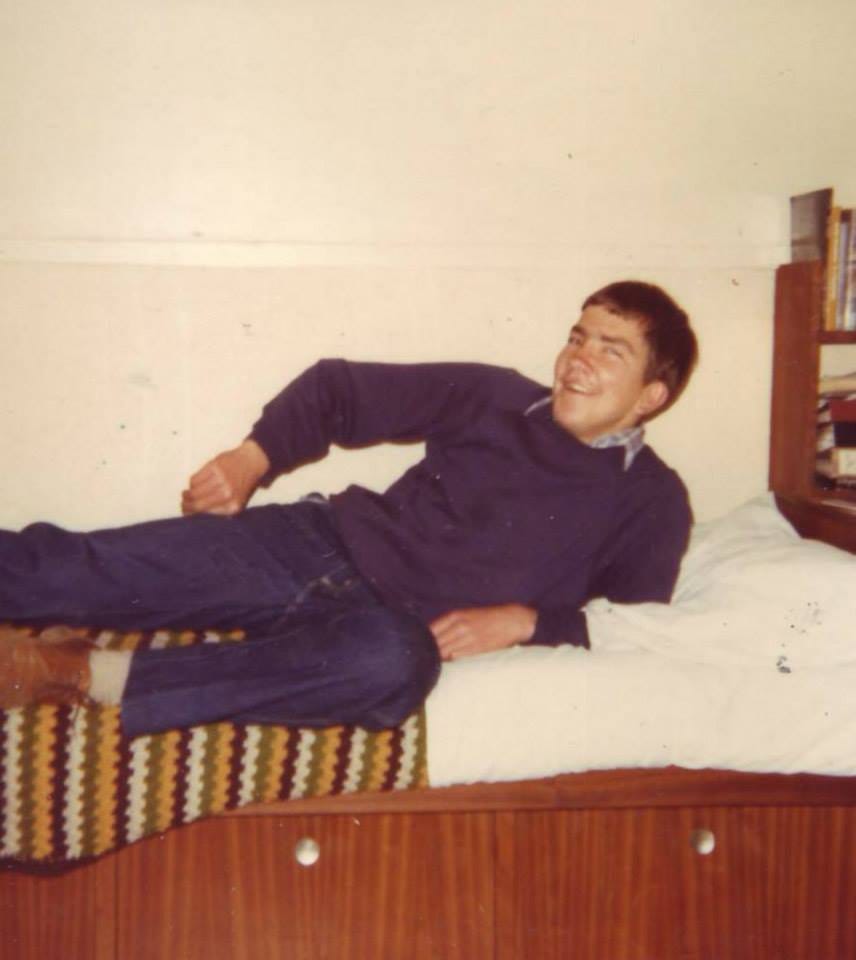
One tangible gift lingers in my regrets: the blanket Joey gave me when I headed to Grey College. It was a homemade woollen crochet piece of multiple coloured stripes, a Navajo-style heirloom I called the “Maritz blanket,” thick and warm against the Free State’s biting winters. I slept under it through those frigid nights in hostel, feeling connected to the trekkers’ endurance. I wish I still had it, a threadbare link to Ouma Joey and the clan she refused to let us forget. In her stories, we weren’t just descendants; we were heirs to a legacy of resilience, forged in ox wagons rolling north through the plains under vast African skies.

Ronald Bartels | LinkedIn | Instagram
My Cowboy Obsession

Growing up on our farm in the rolling hills of the Natal Midlands, thousands of miles from the American West, I became utterly converted to the life of a cowboy. It started innocently enough, I’d beg for cowboy outfits on my birthdays, complete with hats, vests, and toy holsters. I’d fall asleep under a thick cowboy-themed blanket patterned with Navajo motifs, and my everyday wardrobe leaned heavily into plaid shirts, sturdy corduroy pants, and those classic Grasshopper leathers that felt just rugged enough for imaginary roundups. In my mind, the dusty trails of Arizona were as real as the green pastures surrounding our home.

Before television entered our lives, entertainment came from the old projector in the dining room. We’d dim the lights, crank the machine, and watch flickering black-and-white images dance across the white wall. Classics like High Noon with Gary Cooper stood out, I remember us watching it multiple times, mesmerized by the tension and heroism. Those projector nights fueled my dreams of the Wild West.

Then came the Telefunken TV, a monumental arrival that opened up new worlds. Shows like Bonanza were popular, with the Cartwright family on their sprawling Ponderosa ranch, but to me, they were a bunch of poefters, too polished, too tame. The real deal, the one that gripped me completely, was The High Chaparral. Created by David Dortort (the same man behind Bonanza), this series ran in the States in the late sixties, reaching us a decade later and followed the tough Cannon family as they battled to build a cattle empire on their ranch in the harsh Arizona Territory of the 1870s, just outside Tucson. “Big John” Cannon, played by Leif Erickson, was the determined patriarch; his roguish brother Buck (Cameron Mitchell), son Blue (Mark Slade), and later his new wife Victoria (Linda Cristal)—daughter of the powerful Mexican rancher Don Sebastian Montoya—and her charming brother Manolito (Henry Darrow) added layers of family drama, cultural clashes, and high-stakes adventure amid Apache raids and border tensions.

I’d make every effort to be planted in front of that TV when it aired. It was immersive in a way nothing else was, the gritty realism of the outdoor filming in the actual Arizona desert transported me completely. Suddenly, I was there in the sun-baked landscape, riding alongside the Cannons, feeling the dust and danger. It wasn’t just entertainment; it was an escape, a hundred years back in time.

To this day, decades later, I still revisit the episodes. It takes months to work through them all, savoring each one, but it’s pure enjoyment, a timeless reminder of the boy on a Midlands farm who found his heroes in the High Chaparral.

Ronald Bartels | LinkedIn | Instagram
A Precious Relic of Treks & Tea

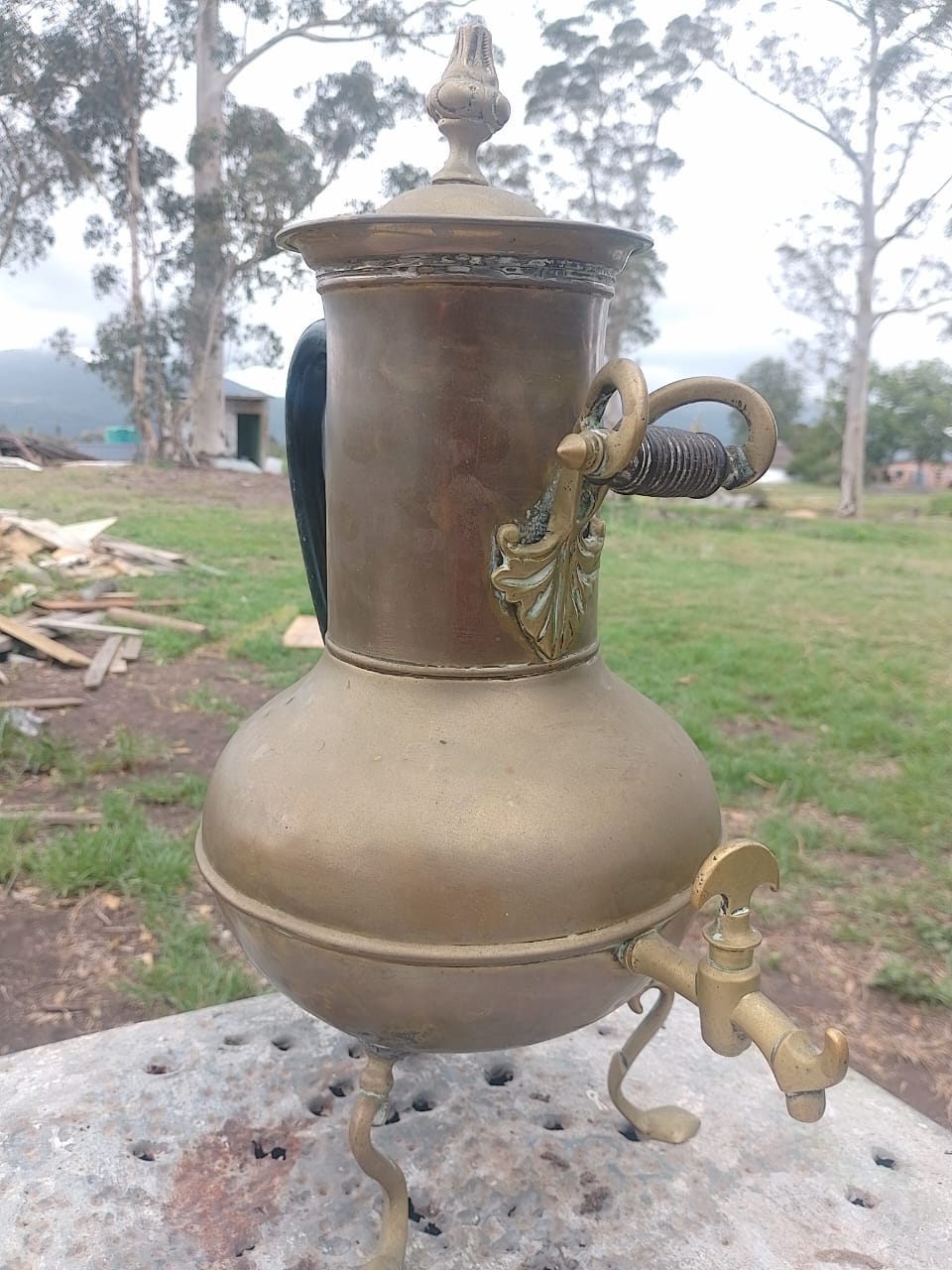
In the quiet corners of my family’s history, few objects carry as much weight or warmth, as the Maritz urn. This antique brass vessel, a water carrier designed to keep its contents hot with the gentle flicker of an oil lamp beneath, was more than a mere kitchen implement. It was a companion for brewing tea or coffee, its polished surface reflecting generations of care and conversation. My mother tended to it her entire life, rubbing it to a gleam with Brasso, as if each stroke preserved not just the metal but the stories etched into its curves.

The Maritz urn is a samovar — a traditional metal water-boiling urn, most commonly used for making tea or other beverages.

The samover has:

  • Brass body with decorative elements → very typical of older samovars
  • Tap/spigot near the bottom → for dispensing hot water
  • Lid on top → usually where a small teapot would sit to stay warm
  • Raised legs → originally designed so a heat source (charcoal or alcohol burner) could sit underneath
  • Side handles (often wood or insulated) → for carrying when hot

Traditionally, samovars were used in Russia, Eastern Europe, and the Middle East. It was introduced into South Africa by the Cape Malay community and then assimilated by the Dutch farmers who would become the Boers and later the Afrikaners. Water would be kept hot in the main chamber, while strong tea concentrate sat in a small pot on top and was diluted with hot water when served.

The urn came to my mother Lenore through her mother, and before that from her grandmother, a woman married to a Bruyns but born a Maritz, a direct descendant of Gert Maritz, the Voortrekker leader whose name graces Pietermaritzburg. My Ouma Joey, full name Maria Magdalena, was christened after Gert Maritz’s wife, a nod to the resilient women who anchored these wandering families. I like to imagine the urn’s journey began in the voorkamer of the Maritz home in Graaff-Reinet, where it stood sentinel, dispensing moerkoffie, that strong, black brew that fueled late-night debates and early-morning resolves.

Graaff-Reinet in the 1830s was a hotbed of discontent among the Dutch-speaking farmers, chafing under British rule. It was there, amid the Cape Dutch gables and dusty streets, that plans for the Groot Trek were hatched. The urn would have been present, steaming away, as Gert Maritz and his kin discussed the grievances: the loss of land, perceived injustices, and the imposition of English laws that eroded their way of life. Alliances formed over cups of its hot offering, whispers of migration northward turning into firm resolves.

When the time came, Gert Maritz led his party of some 100 strong ox wagaons from Graaff-Reinet, crossing the Orange River into the vast interior. The trek was no gentle stroll; it was a grueling odyssey over rugged terrain, battling rivers, thirst, and threats from wildlife and warring tribes. The path to Natal wound through the highveld, skirting conflicts with the Ndebele under Mzilikazi, whom the trekkers eventually drove northward after battles like Mosega. Then came the formidable Drakensberg Mountains, a barrier of jagged peaks rising like a dragon’s spine. Wagons were dismantled, wheels removed, and heavy branches lashed underneath as makeshift brakes to ease the descent down the 3,500-meter slopes. Amid this chaos, the urn would have been carefully packed in a wooden kist or perhaps a reused ship’s tea box, cushioned against the jolts of ox-drawn wagons that creaked over rocks and forded streams.

Once across the Drakensberg, the trekkers entered the lush valleys of Natal, but safety was fleeting. In laagers, those defensive circles of wagons drawn tight like a fist, the urn found new purpose. By night, it simmered moerkoffie for the watchmen, keeping them alert against Zulu raids or the encroaching darkness. Alliances among the trek parties were forged and frayed here too; discussions around campfires, warmed by the urn’s glow, debated routes and leadership. Gert Maritz, elected as a key figure alongside Hendrik Potgieter, embodied order amid the uncertainty.

It was in one such tense moment that the urn bore silent witness to history’s sharper edges. As Piet Retief prepared to ride to Dingane’s kraal, seeking land grants from the Zulu king, he made a final pass by Maritz’s tent. Maritz, weakened by illness and cautious of the risks, declined to join. Retief, ever the bold one, branded him a “lafaard” (a coward) before galloping off to his doom, where he and his party were massacred at uMgungundlovu. The urn, steadfast in the laager, outlasted the man, surviving the subsequent Zulu attacks that culminated in the Battle of Blood River later that year.

Gert Maritz himself died at his laager on the Little Tugela River, never fully dwelling in the promised land he helped claim. But the urn endured, passing down the female line as a symbol of hearth and heritage. In time, modern conveniences, electric kettles and thermal flasks, relegated it to ornament status, a gleaming heirloom in our homes, evoking the tenacity of those early settlers.

For generations, it remained in the possession of women, guardians of family lore. Somehow, it fell into my hands, a man’s kitchen seemed an unlikely resting place for such a feminine legacy. It sat in my own home for years, a quiet reminder of roots. But traditions have their pull; needing a home with another woman to carry on the polishing and the stories, I shipped it off to Megs using Pudo. Its there to warm her days as it did our ancestors’, a brass thread binding us across the treks of time and distance.

The Journey to Plettenberg Bay

The Samovar has now settled into its new home with Megs, and its ancient spirit has began to weave through the air at the Craggs. Its humming a low, resonant tune, like the wind through canyon rocks back in Navajo lands, places I’d only read about but felt in my bones. But its latest journey was not all smooth sailing. It had traveled the Groot Trek once, enduring dust storms and ox-wagon ruts, only to fall victim to the modern delivery cabinets of Pudo and cardboard boxes. It snapped a leg. Just like me, when I was younger on the Rugby fields of Grey College. One of the most physically painful and traumatic episodes in my life.

That urn had it own purpose. It was its way of creating and developing a bond with Megs. I shipped down some Pratley Putty, that unassuming gray miracle born from South African ingenuity and trusted by astronauts hurtling toward the moon. The leg was restored, equilibrium achieved as the heirloom found another gatherer to continue her cosmic travels.

In Joburg, Eddy my bicycle leans against the wall, his frame silent but expectant. You see, objects like my bicycle and the Samovar now with Megs aren’t just things; they’re companions, vessels for the unseen. The Samovar’s purpose, an e

lusive glimmer of the Holy Grail, unfolding not through force or logic, but through the gentle hands of a woman attuned to its rhythm. Perhaps it was destined to heal more than metal, to be a generational defender of gatherers, to stitch together threads of heritage, from its wanderings around the southern lands of Africa, echoing the Navajo belief that everything holds a spirit, waiting to be honoured. And in that bonding, a new chapter of the Maritz Trek journey etched itself into eternity.

Ronald Bartels | LinkedIn | Instagram
A letter that has been waiting to be posted for an eternity

In the quiet corners of the digital world, there lived a trail of unspoken words, like whispers carried on the wind across the grasslands. I stumbled upon evidence of their trail one rainy day, these emails you’d sent to an old work address of mine, a place I’d long since abandoned, like a forgotten outpost in the desert. The breadcrumbs to their existence but never being able to access them. Lost. How many moons had passed since I’d left that job? I couldn’t say for sure, but it felt like ages, but there they would have lingered in the ether, unopened, unread, like ships passing in the night, their lanterns flickering unseen.

In my mind, this discovery tilted the world off its axis, shattering the delicate equilibrium we’d all taken for granted. What secrets did those lost dispatches hold? Were they invitations to gatherings I never attended, pulling me into the warmth of family moments I missed? Or perhaps holiday pictures, snapshots of joy and laughter from seasons gone by, colours and smiles I’d never witnessed? The unknown weighed on me, a shadow over the heart, reminding me of the fragility of connections we assume are unbreakable.

Your life, dear one, was no fairy tale of ease. It was marked by trials that seemed unfairly heaped upon you, unkindnesses from the world, shunnings that echoed like distant thunder, and isolations that felt as ancient and unjust as forgotten rituals. Yet through it all, you remained a kind soul, a gentle light in the storm, offering warmth where others might have withheld it. And me? I confess, I wasn’t always the attentive son-in-law you deserved. You weren’t my priority as you should have been, lost amid the rush of my own stories and distractions. I have no excuse for that, and those missing emails now hang heavy on my heart, like skipped beats in a rhythm that could have been fuller, richer. They represent missed opportunities, unspoken reaches across the divide, chances to deepen a relationship that stayed on the surface when it yearned to plunge into deeper waters.

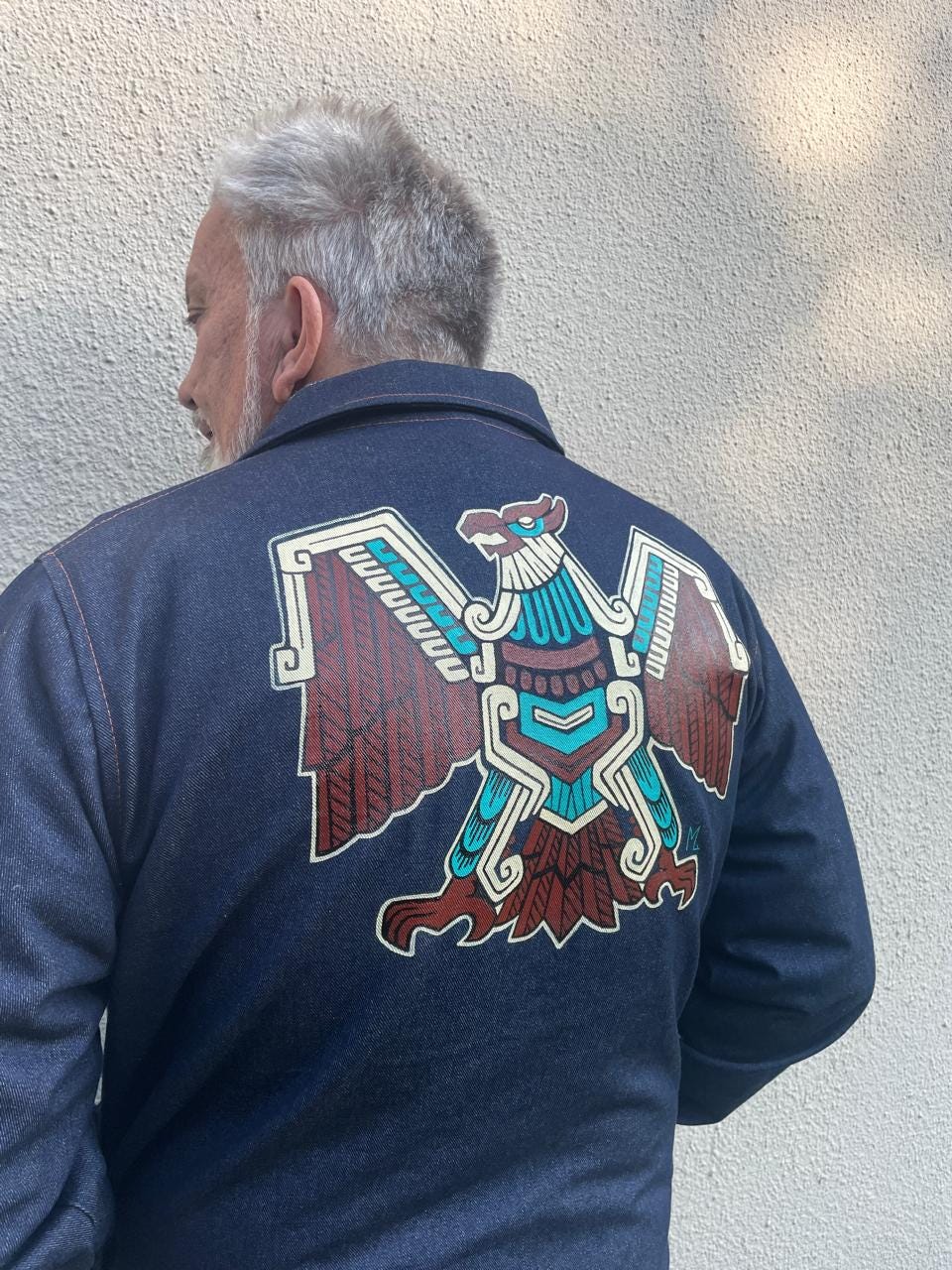
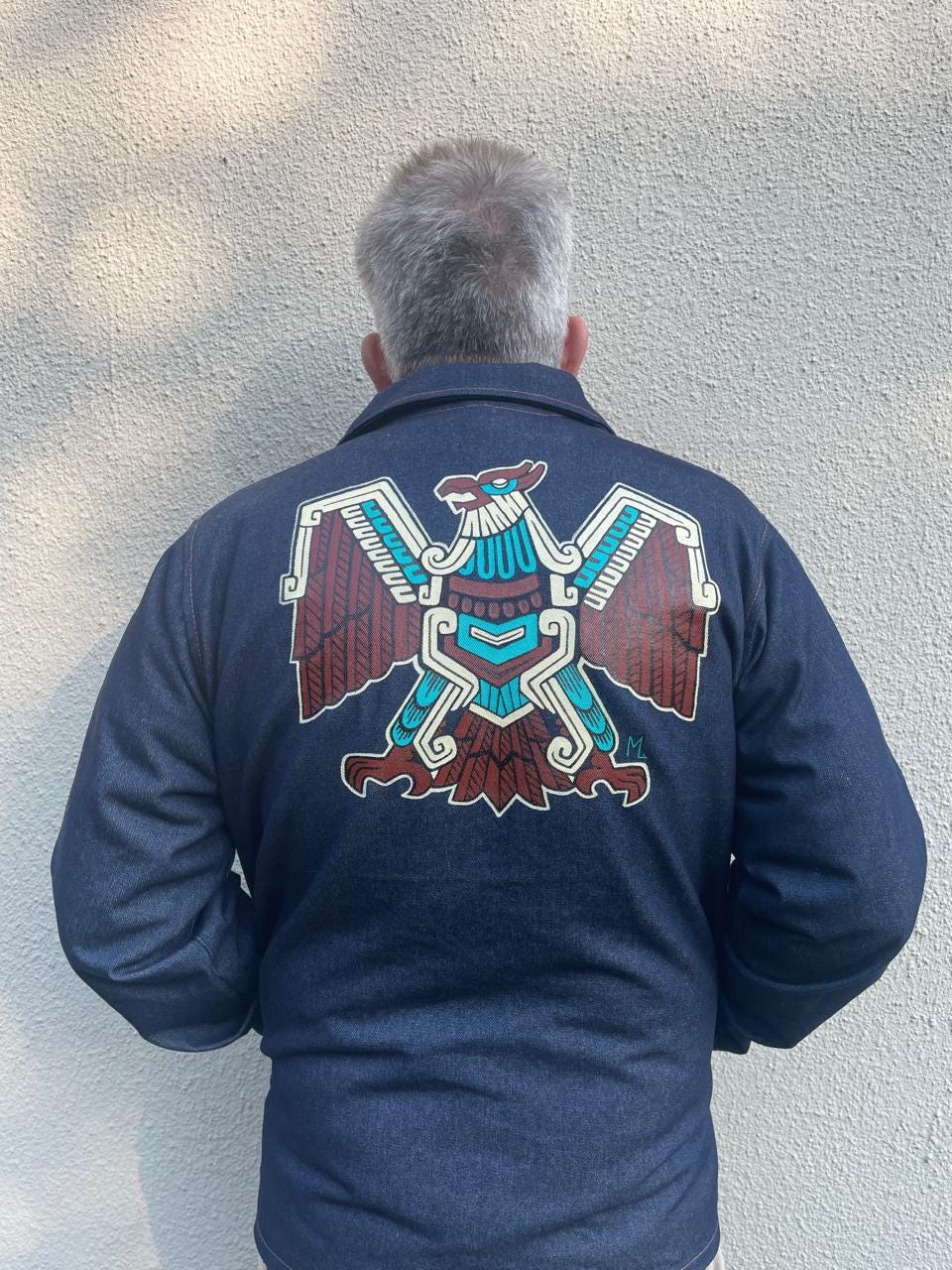
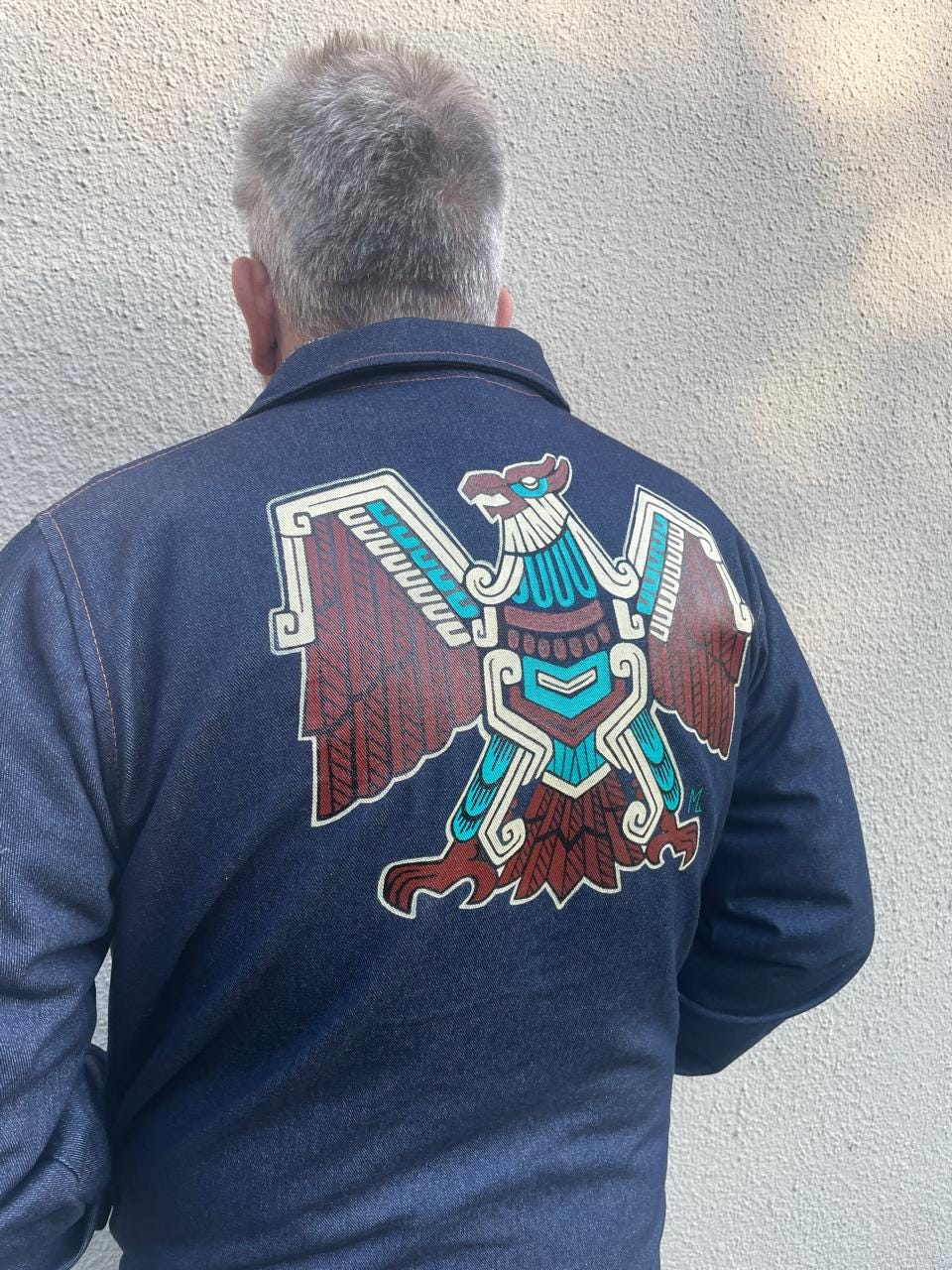
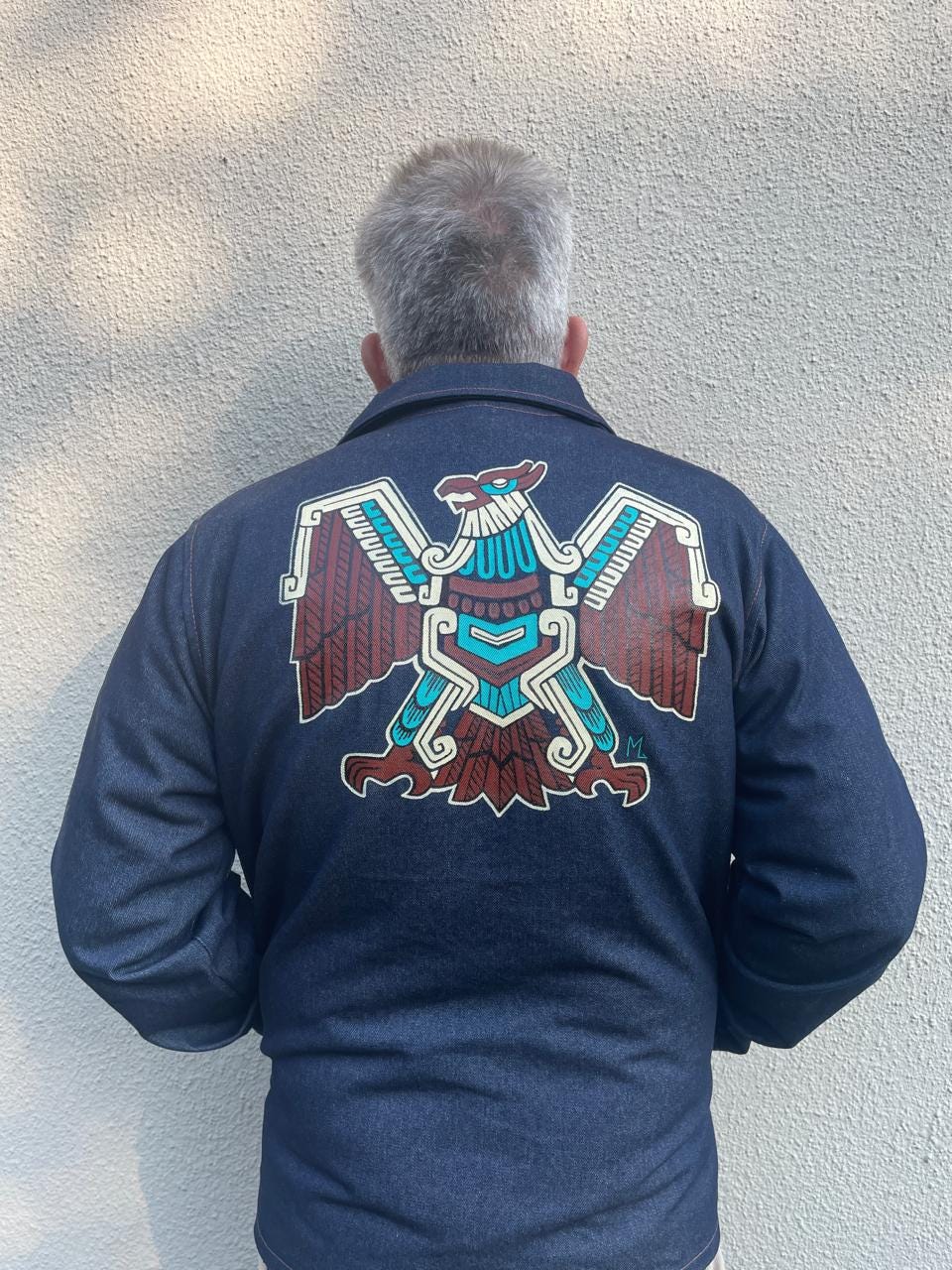
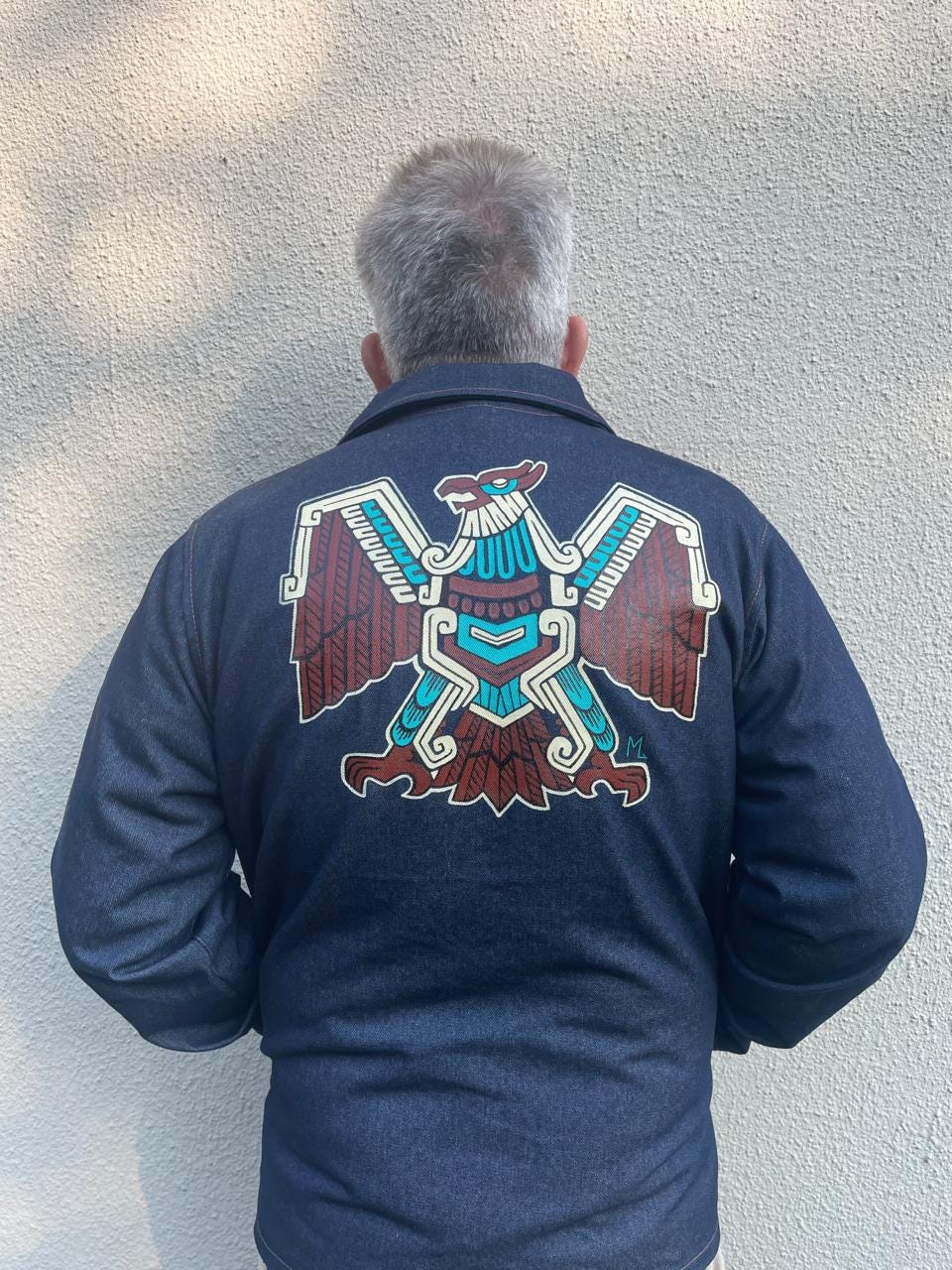
But there’s a thread of magic woven into this tale, one that ties us together in ways I cherish. You see, I carry a bit of Navajo spirit in my bones, from what I believe was a whisper from a previous life, where traditions run deep and clothing isn’t just fabric, but heirlooms passed down, carrying stories and souls across generations. That Christmas gift you gave me, the jersey, oh, it’s my absolute favorite, a treasure I hold close. It’s become my own heirloom, infused with your kindness, wrapping around me like a protective cloak. In that Navajo way, it’s a connection that lives on, close to my heart, a reminder of the bond we shared, even if it was quieter than it might have been.

Now, as the story draws to its close, I send these words out into the universe, hoping they find you in the eternal peace you so richly deserve. Rest well, dear mother-in-law, in the light of forever. I hope, somehow, you read this, feel this, and know that the equilibrium is restored in my heart through gratitude and love.

With all my affection, Your Son-in-Law

Ronald Bartels | LinkedIn | Instagram
My cowboy blanket

I’ve always harboured a deep fascination with the Navajo people, a reverence that borders on the spiritual. Growing up in the vast, sun-baked landscapes of South Africa, I found myself drawn to stories of indigenous cultures across the world, but none captivated me quite like the Navajo. It must have been all those cowboy movies and series we saw on our Telefunken. Their resilience in the face of adversity, their profound connection to the land, and their artistry in weaving—particularly their blankets—spoke to something deep within me. These weren’t mere fabrics; they were tapestries of life, woven with prayers, histories, and the threads of survival. I read voraciously about their traditions, how each blanket carried the weaver’s spirit, a protective shield against the harshness of the desert nights. Over time, I assimilated this reverence into my own life, treating certain objects not as possessions, but as companions infused with memory and comfort. And nowhere is this more evident than in my relationship with blankets.

Let me explain through a personal ritual that has become as essential to me as breathing. I own a camping bed of the stretcher variety—simple, sturdy, the kind that elevates you just enough off the ground to feel connected to the earth without its discomforts. It’s not luxurious by any stretch, but sleeping on it brings a peace that’s almost transcendent. Even when I’m home, surrounded by the trappings of modern comfort, I sometimes haul it out from storage, set it up in a quiet corner, and surrender to its embrace. It’s as if the taut canvas whispers secrets of open skies and forgotten adventures.

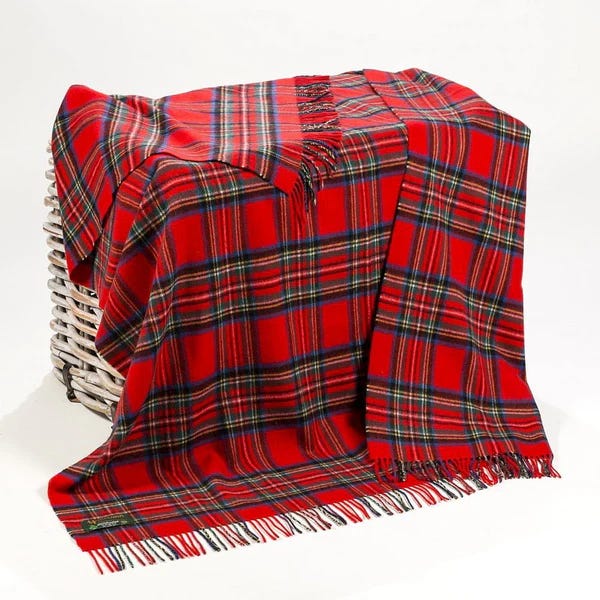
Central to this ritual is what I affectionately call my “cowboy blanket.” It’s a thick, woolly thing, woven in a bold red plaid pattern that evokes the rugged frontiers of old Western tales—though, in truth, it’s more akin to the enduring warmth of a wood fire. This blanket is identical to the one I cherished as a young boy on Oakvilla farm, where the days stretched long and the nights were alive with the symphony of and the waves of the veld. Back then, I’d burrow under its weight, feeling utterly secure. Outside my window stood a sentinel of nature: a massive Wild Fig tree, its branches sprawling like ancient arms. Perched in its canopy was a Hamerkop’s nest, an enormous, haphazard fortress built twig by twig with unyielding determination. I’d lie there, staring out at that bird’s relentless labor, admiring its grit—the way it defied storms and predators to create a home. In that bed, under that blanket, in that old farmhouse, I have no memory of anything but pleasant, comforting sleep. No nightmares intruded; no restlessness stirred. It was a sanctuary woven from wool and wonder.

Recently, though, I loaned out one of my two beds along with that beloved cowboy blanket to a friend in need. A kind gesture, I thought, but one that left a void I hadn’t anticipated. Try as I might, no substitute blanket could recapture that elusive peace. I’ve cycled through softer ones, lighter ones, even those with modern synthetic fills promising ergonomic bliss, but nothing works. The nights feel incomplete, the sleep shallow and fleeting. It’s the missing blanket that’s to blame, that red plaid guardian of my repose. So today, I’m setting out on a quest to find a duplicate, scouring markets and shops for something that matches not just the pattern, but the soul it embodies. Perhaps I’ll stumble upon one that feels just right, heavy with promise.

In weaving this tale of my blanket and my stretcher bed, I see the threads intertwining with the Navajo’s profound reverence for their own woven masterpieces. Just as their blankets are more than coverings—they are heirlooms passed down through generations, imbued with stories of endurance, protection, and cultural identity, my cowboy blanket has become a vessel for my own history. It carries the echoes of Oakvilla farm, the watchful Hamerkop, and the boy who found solace under its folds. The Navajo teach us that such items are sacred, not for their material worth, but for the comfort and continuity they provide in an unpredictable world. In adopting this mindset, I’ve transformed a simple woolen throw into a talisman, much like their rugs that ward off the chill of both body and spirit. It’s a quiet assimilation, a bridge across cultures, reminding me that true reverence lies in the stories we wrap around ourselves.

Ronald Bartels | LinkedIn | Instagram
How a nest in a Wild Fig revealed my Navajo soul

In a previous lifetime, I am certain I walked the red earth of the ancient Americas as a Navajo, Diné, as they are also known. The pull is too deep, too instinctive, to be mere coincidence. Their world is woven from the same threads that bind me: a reverence for the living land and every creature that moves upon it. To the Navajo, animals are not lesser beings but relatives, teachers, and guardians. They appear in creation stories as the first beings who helped shape the world, each carrying sacred power. Clans trace their lineage to specific animals, Bear, Wolf, Eagle, and individuals are guided by personal spirit animals, or totems, that reveal themselves through dreams, visions, or the quiet language of the landscape and wild. These spirits lend their qualities: the cunning of the fox, the endurance of the tortoise, the soaring vision of the hawk. They protect, instruct, and remind us that we are never alone in the great web of life.

My own affinity for spirit animals have always been the small ones, the overlooked architects and quiet survivors of the African bush. The platanna frog, that ancient, clawed swimmer lurking in the mud; the sunbirds, flashing like living jewels as they hover at Leonorus in the first light; the songololos, those patient, armoured millipedes rolling the earth into their slow, deliberate journeys; the leguaan, sleek and watchful, slipping through the reeds with prehistoric grace; and, standing sentinel over them all, the Martial Eagle, that vast shadow wheeling high above, a reminder that even the small world needs its fierce protector.

But the one that claims me most completely is the Hammerkop.

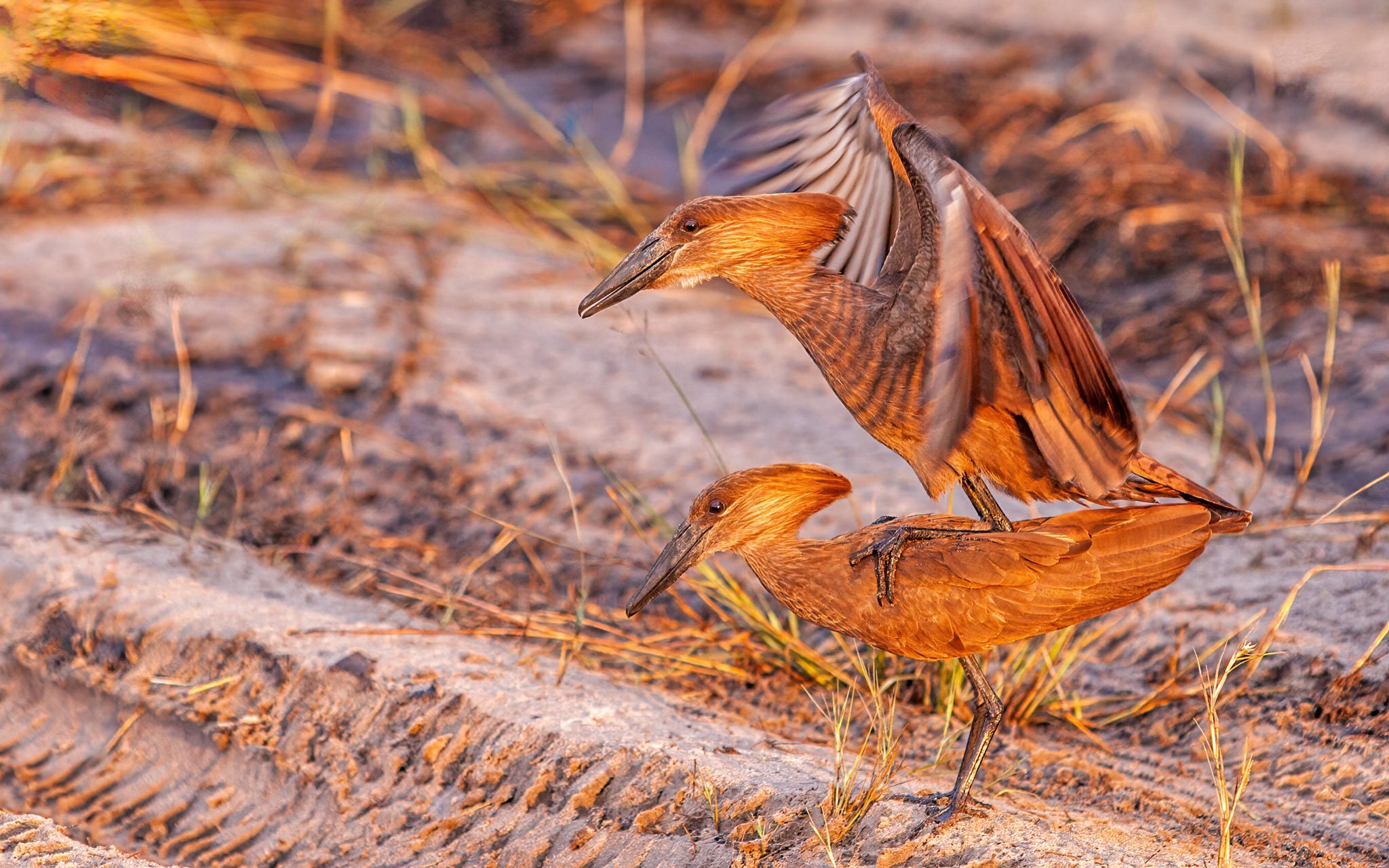
The Hammerkop, Scopus umbretta, the “hammerhead”, is a peculiar bird of the African wetlands, a medium-sized wader with a crest that gives its head the blunt, determined shape of a mallet. Its plumage is a modest brown, its legs long and sturdy for wading, its call a haunting, far-carrying krooo-krooo that seems to echo from another time. What sets it apart, what makes it my spirit kin, is its obsession with creation. No other bird builds like the Hammerkop. It constructs the largest roofed nests in the avian world, monstrous, domed fortresses of sticks, reeds, and mud that can weigh hundreds of kilograms and span two metres across. They rise like organic skyscrapers in the forks of trees, often over water, plastered smooth inside and out, with a narrow tunnel entrance leading to a hidden chamber lined with soft grasses. A pair will labour for weeks, or months, gathering thousands upon thousands of sticks, adding bones, old tyres, anything that fits their vision. They build continuously, whether breeding or not, as if the act of building itself is the purpose. Determination personified. A testament to persistence in a world that often rewards the fleeting.

This is an unusual looking bird, just like I’m an unusual looking human. They perform elaborate displays as a form of attraction, including wing flapping, head bobbing, and aerial displays. They may also engage in false mounting where they hop on each other's backs without mating.

I know this bird because it chose me first, long before I understood what a spirit animal was.

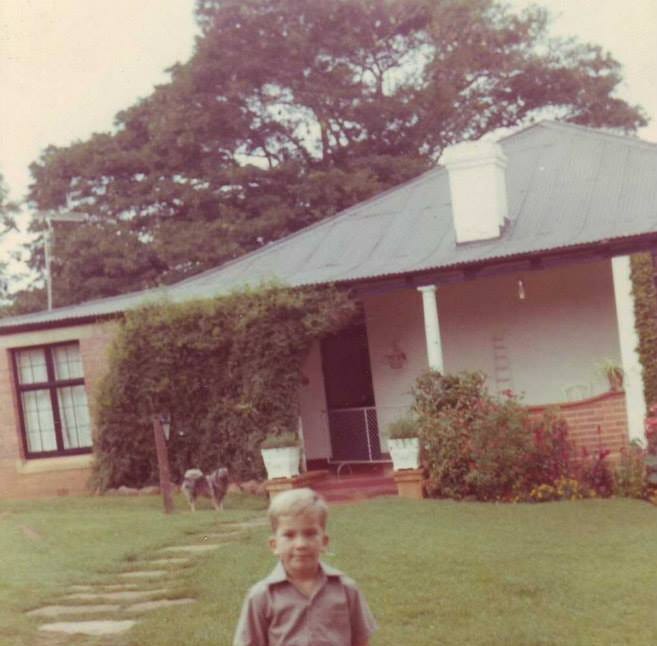
On Oakvilla Farm, in the bedroom where I slept as a boy beneath my cowboy blanket, the Wild Fig tree pressed its ancient branches right against the window. Its leaves whispered against the glass at night, and in its high fork, almost within arm’s reach, stood the Hammerkop’s masterpiece. A colossal apartment block of a nest, weathered and magnificent, home not only to the pair but to a teeming colony of weaver bird neighbours that chattered and flashed yellow in the mornings. Hundreds of them. The tree was a living city. When the female weavers rejected a nest, too small, too flawed, or simply outgrown, my mother would find the delicate, woven globes lying in the grass beneath. She collected them like treasures, stacking them in a great, fragrant pile on the white metal table on the stoep. I would sit there for hours, running my fingers over the intricate grasswork, imagining the patient beaks that had shaped each one.

That nest, and the bird that built it, became part of my bones. I would wake to the Hammerkop’s call, watch it ferry yet another stick across the sky, and feel something ancient stir in me. Here was a creature that did not merely exist, it engineered. It committed. It turned mud and twigs into something enduring, something that outlasted seasons and storms and even, sometimes, the birds themselves. Other creatures—owls, snakes, even the occasional human, would move into those abandoned mansions. The Hammerkop built not just for itself, but for the whole community of the wild.

Even now, decades later, if I round a bend in the road and see a wild fig tree rising against the sky, my heart catches. I scan the branches instinctively, hoping for that unmistakable silhouette, that massive, ragged palace of sticks. I never find it but I feel the old longing rise. It is the call of my spirit animal, reminding me who I was, who I am, and what I am still called to build: something solid, something shared, something that stands long after the builder has moved on. In this life, as in the last, I remain a creature of the small wonders, forever in the shadow of the Hammerkop.

Ronald Bartels | LinkedIn | Instagram
One of my previous lifetimes was amongst the Navajo

Red Soil – Green Evolve

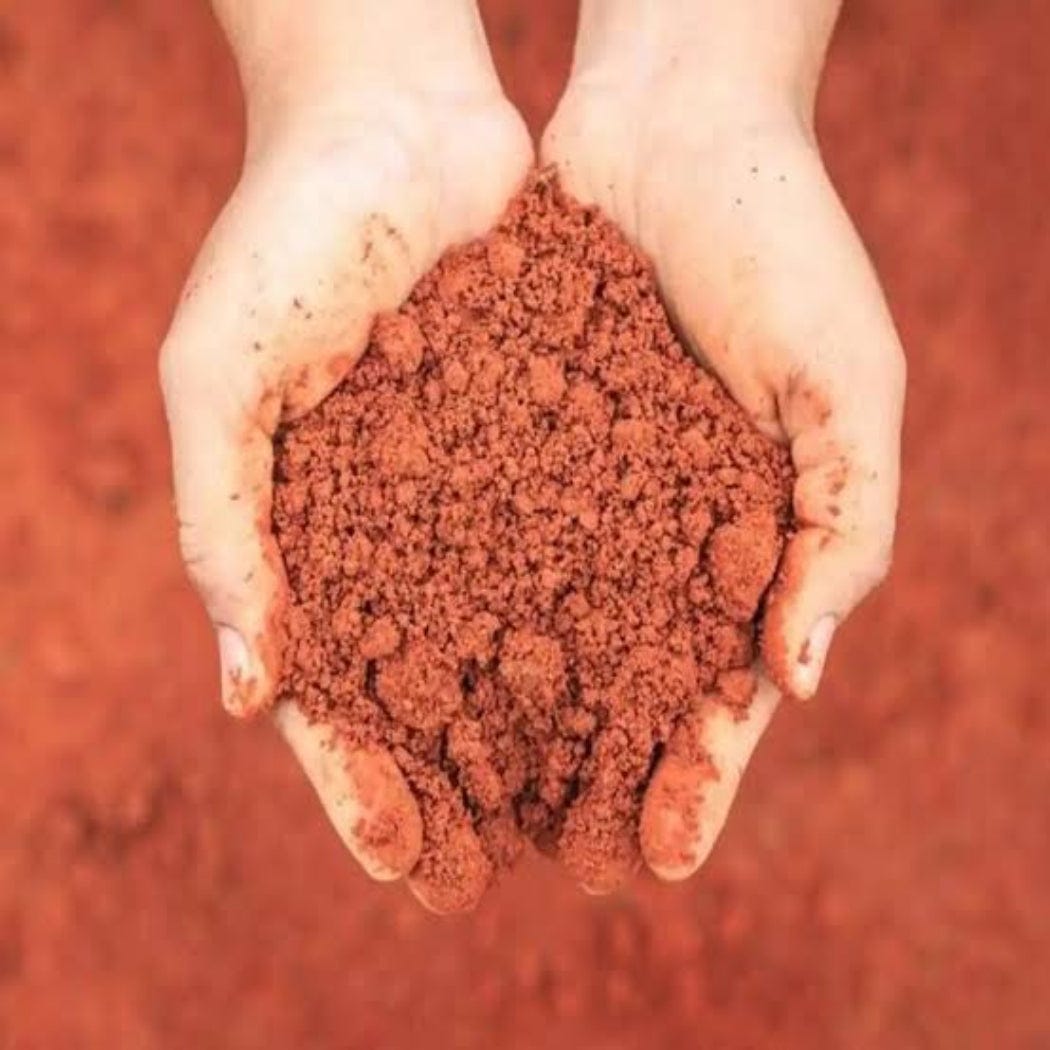
I often find myself wandering through dreams laced with the deep, rusty hues of red soil, a landscape that feels both foreign and intimately familiar, like a memory etched into my bones from another lifetime. One night, not long ago, I was lost in such a vision, the earth beneath my feet was alive, pulsing with stories unspoken, the kind of red soil that clings to your skin and whispers secrets of endurance and survival. It stretched out endlessly, dotted with resilient plants pushing through the arid crust, and I felt a profound pull, as if I belonged there. But then, reality intruded: my son shook me awake, his voice urgent in the dim Johannesburg dawn. “Dad, the internet’s down.” Groggy, I stumbled to my home office, firing up the RAG dashboard; Red, Amber, Green, that monitors our network systems. Everything glowed an ominous red. Dammit. A cascade failure in the switches at the Teraco rack, that hulking data center fortress in Isando, where our digital lifelines converge. Red alerts flashing like warnings from the earth itself, mirroring the soil in my dreams. It took a few minutes to troubleshoot, rerouting traffic and patching the outage, but as I worked, my mind drifted back to that crimson ground, wondering if it was a sign, a reminder that red isn’t just a color of alarm, but of deep-rooted connection. Was red soil the true Internet?

I’ve always had this affinity for red soil, a bond that runs through my family’s veins. Growing up, I watched my dad toil in the fields of Oakvilla farm with its Kroonstad Red soil, named after that Free State town where the earth is a vibrant ochre, rich and forgiving under the African sun. He’d plant potatoes, burying them in the red loam like treasures, coaxing life from the ground with calloused hands and quiet determination. Those potatoes were more than food; they were sustenance for the soul, hearty and unpretentious, much like him. I’d help dig them up, the soil staining my fingers, and we’d boil them simply, savoring their earthy flavor. That red soil nourished us, bound us to the land, and even now, in my urban life far from those fields, I crave potatoes, the ultimate comfort, fried crisp or mashed smooth, a staple I’ve never outgrown.

But lately, these dreams have woven in threads from farther afield, pulling me toward the Navajo people and their sacred ties to red soil. In Navajo culture, the red earth of there world, those vast mesas, canyons, and plateaus in the Four Corners region, is more than mere dirt; it’s the very essence of their homeland, a living entity infused with spiritual significance. The Navajo, or Diné as they call themselves, see the land as a relative, groaning under the weight of history and change, its red rocks and sagebrush crying out in times of drought or erosion. They gather red ochre from this soil for ceremonies, using it as paint or in rituals to honor the Holy People, the deities who shaped their world. It’s woven into their creation stories, where the earth is consecrated with the blood and bones of ancestors, a fingerprint of the past that demands respect. Artists like Wendy Red Star capture this in sculptures that declare the soil as sacred, not ordinary, but the dust of those who fought and bled to protect it. Conservation efforts on the Navajo Nation focus on restoring this parched red land, building natural infrastructure to heal dry streams and combat climate change, all while honoring traditional ways. The red soil symbolizes resilience, a canvas for life in an arid world where water is scarce and every plant, every drop, is a gift.

And then there’s the potatoes, oh, how they bridge my worlds. The Navajo have a profound association with them, one that stretches back not eons in the cosmic sense, but millennia in human time. Archaeological evidence shows they’ve used a native wild species, the Four Corners potato or Solanum jamesii, for at least 11,000 years. This tiny, speckled tuber, hardy, drought-resistant, and packed with nutrition far surpassing modern varieties, was carried along ancient trade routes by Indigenous peoples, including the Diné’s ancestors. Starch residues on stone tools from sites like Escalante Valley tell of its role in diets, ground on manos and metates into sustenance that fueled communities through harsh seasons. It wasn’t just a starvation food; it was cultivated, transported, and integrated into life on the Colorado Plateau. Today, Navajo farmers grow it alongside modern potatoes through initiatives like the Navajo Agricultural Products Industry, which produces tons under the Navajo Pride brand, russets, reds, and organics irrigated from sandy loam at high elevations. Traditional farmers, especially Hopi and Diné, are repatriating this ancient spud, planting it in family gardens as a link to heritage. I’ve read how elders recall scattering tubers during the Long Walk, that brutal forced march in the 1860s, marking paths and ensuring food for return journeys. It’s a symbol of sovereignty, grown in the shadow of sacred mountains like the Ch’óshgai, where modern Diné like Alastair Bitsóí harvest it to nourish body and culture.

In my quieter moments, I entertain the notion that in a past life, I walked those red soils as a Navajo, tending these potatoes under vast skies. It explains the dreams, the pull toward that landscape, the shared love for this humble root. The Four Corners potato, named for the region where Utah, Colorado, Arizona, and New Mexico meet, is a survivor, small but mighty, with tubers that can dorm for years, waiting for rain. It’s been found near ancient sites, evidence of human hands shaping its spread, from Bears Ears to Mesa Verde. Hardy against heat and disease, it’s twice the protein of a red potato, a superfood repatriated to Indigenous farms today.

This all circles back to dear Kathleen (Kath), who once told me she wanted her ashes spread to the Four Corners. I thought she meant scattered across the earth’s far reaches, perhaps a bit in the oceans, the mountains, the grasslands of Dinosaur Earth that we loved. But now, in the wake of these dreams, I see it differently. She meant that sacred juncture, the heart of Navajo land, where red soil holds the ancestors. It’s where the earth is consecrated, alive with history, and perhaps where souls like hers, and mine, find peace in red soil. The red soil calls to me still, in dreams and dashboards alike, a reminder that some connections transcend time, binding us to lands we’ve never walked in this life, but know in our hearts.

Ronald Bartels | LinkedIn | Instagram